Blog Post

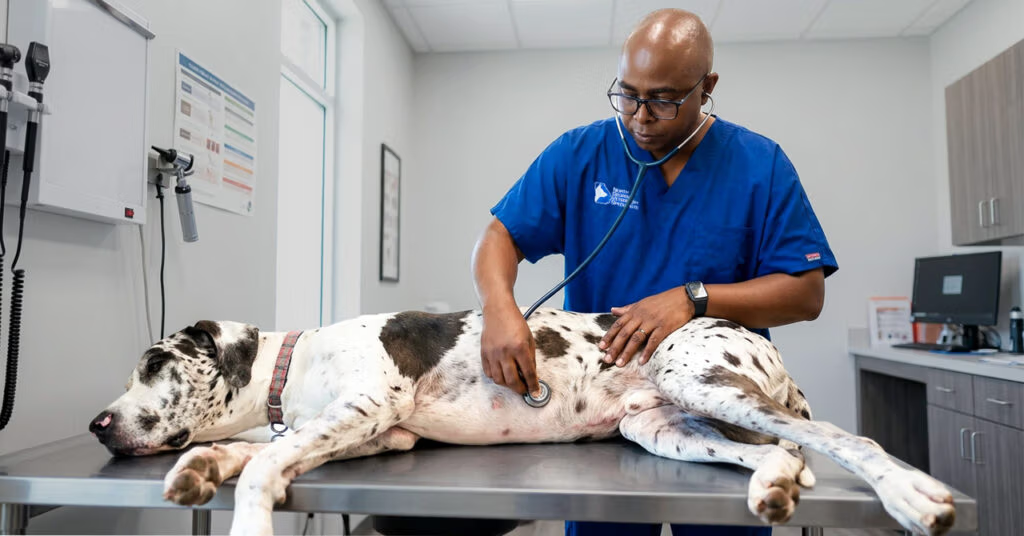
A surgeon is examining a Great Dane for signs of gastric dilatation and volvulus.

GDV Dog: Understanding Gastric Dilatation-Volvulus in Dogs

Introduction This article provides a comprehensive overview of gastric dilatation-volvulus (GDV) in dogs, including causes, risk factors, clinical signs, emergency treatment, and prevention strategies. It is intended for dog owners, breeders, and veterinary professionals who want to understand this life-threatening condition and how to respond effectively. Understanding GDV in dogs is crucial because rapid recognition […]

GDV Dog: Understanding Gastric Dilatation-Volvulus in Dogs Read More »

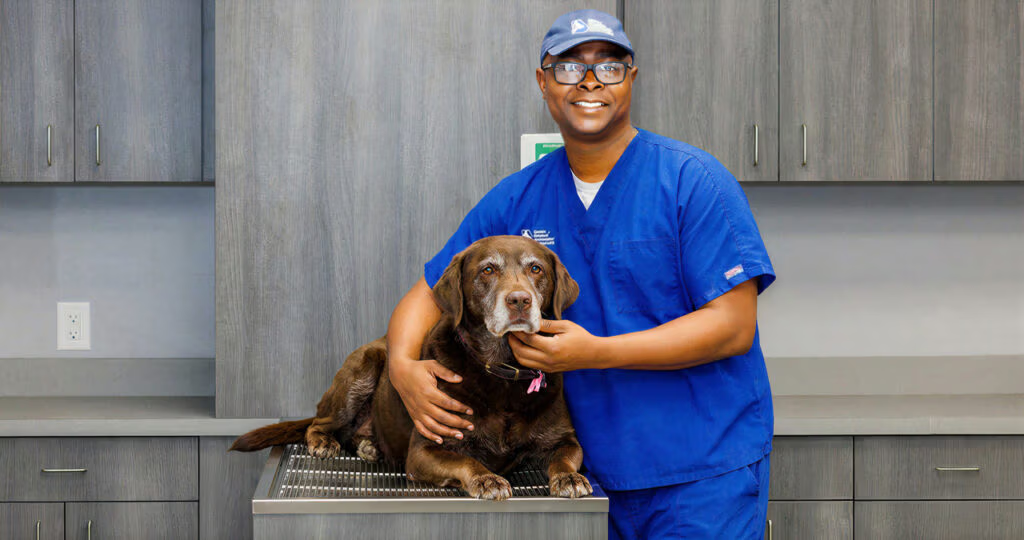
Surgeon holding an older aged Labrador Retriever lying on a grated wet sink in a veterinary treatment area.

Canine Laryngeal Paralysis

Fast facts for worried dog owners If your veterinarian has just mentioned “laryngeal paralysis” or you’re researching why your older dog sounds like they’re breathing through a straw, take a breath yourself. You’re in the right place, and this condition—while serious—is manageable with the right approach. Laryngeal paralysis (often called “Lar Par”) is a problem

Canine Laryngeal Paralysis Read More »

Chylothorax in dogs and cats

Chylothorax in Dogs and Cats: Causes, Diagnosis, Treatment, and Prognosis

Quick Facts for Pet Owners Chylothorax is a rare but serious condition in dogs and cats where lymphatic fluid rich in fat accumulates around the lungs inside the chest cavity. This fluid buildup compresses the lungs, causing difficulty breathing that can become life-threatening without prompt veterinary care. If your pet is breathing rapidly, struggling to

Chylothorax in Dogs and Cats: Causes, Diagnosis, Treatment, and Prognosis Read More »

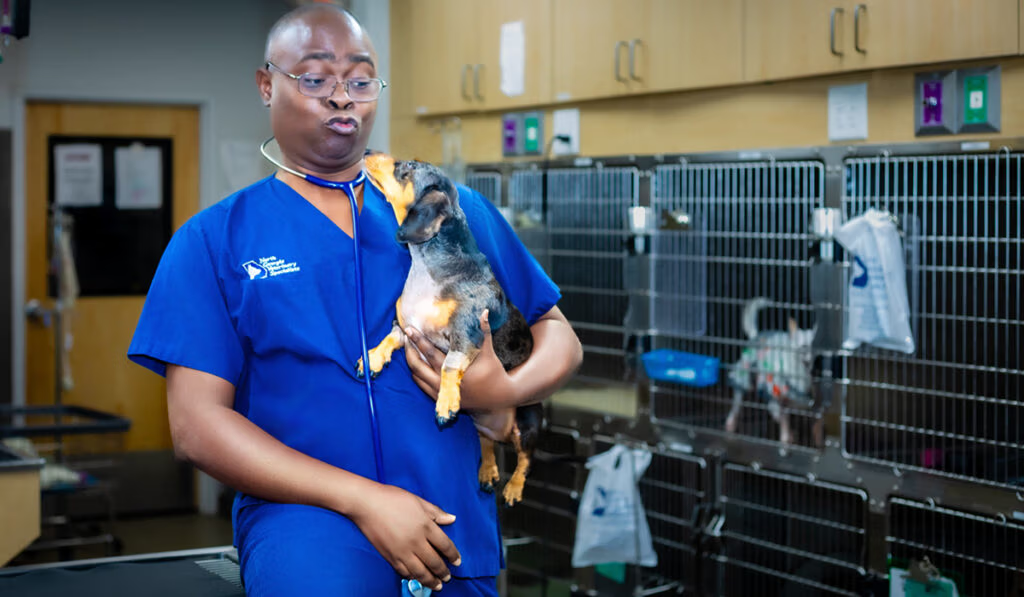
A veterinarian in scrubs is holding a Dachshund that has just recovered from degenerative intervertebral disc disease.

Degenerative Disc Disease: Understanding Intervertebral Disc Disease / IVDD

Key Takeaways Degenerative disc disease in dogs is the same condition most owners hear called “IVDD” (intervertebral disc disease). It is the leading spinal surgical emergency seen in dogs. Any sudden inability to walk, or loss of pain sensation in the limbs or tail, is an emergency that warrants immediate veterinary attention—ideally at a 24-hour

Degenerative Disc Disease: Understanding Intervertebral Disc Disease / IVDD Read More »

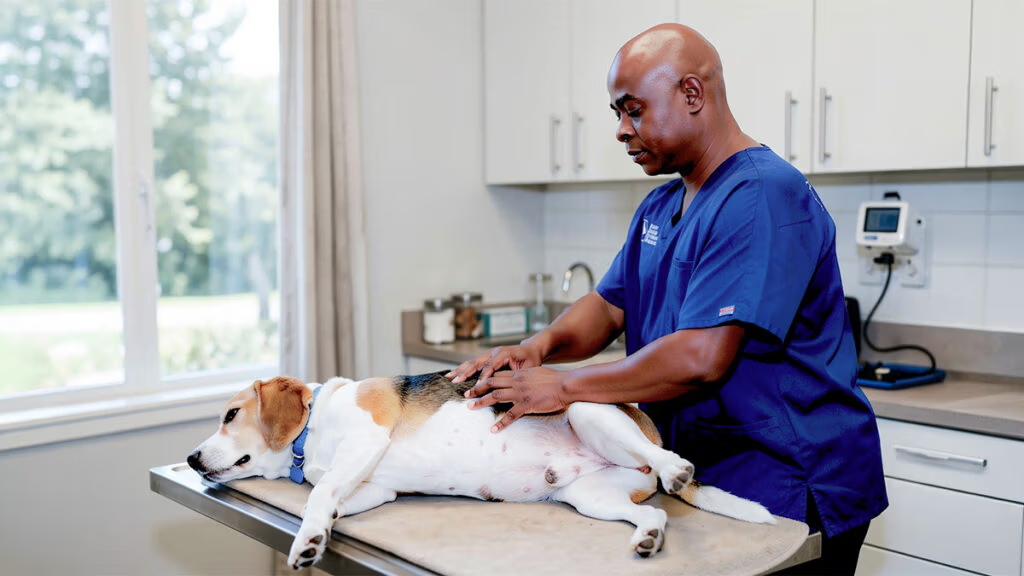
Veterinarian examining the backend of a dog.

Treating Recessed Vulva: The Role of Canine Episioplasty

Canine episioplasty is a surgical procedure that corrects anatomical abnormalities in female dogs, particularly a recessed vulva. This article is intended for dog owners and caregivers seeking to understand the causes, treatment, and recovery process for a recessed vulva in female dogs. Addressing this condition promptly can prevent chronic infections and improve your dog’s quality

Treating Recessed Vulva: The Role of Canine Episioplasty Read More »

dog awaiting evaluation for tibial plateau leveling osteotomy procedure

Complete Guide to Tibial Plateau Leveling Osteotomy (TPLO) in Dogs

Are you facing a cranial cruciate ligament (CCL) injury or rupture in your dog? Tibial plateau leveling osteotomy (TPLO) is an orthopedic surgery procedure that can restore knee (stifle) joint stability and normal function and eliminate the pain associated with a cranial cruciate ligament injury. CCL injury is one of dogs’ most common causes of

Complete Guide to Tibial Plateau Leveling Osteotomy (TPLO) in Dogs Read More »

Postoperative care for pets

Essential Postoperative Care for Pets: Your Guide to a Smooth Recovery

Introduction Post-operative care is critical for comfort, safety, and recuperation after surgery. This guide is designed for pet owners caring for their pets after surgery and covers the essential steps for a smooth recovery after pet surgery. Postoperative care for pets involves a series of best practices to ensure your furry companion heals safely and

Essential Postoperative Care for Pets: Your Guide to a Smooth Recovery Read More »

Scroll to Top