
Fast facts for worried dog owners
If your veterinarian has just mentioned “laryngeal paralysis” or you’re researching why your older dog sounds like they’re breathing through a straw, take a breath yourself. You’re in the right place, and this condition—while serious—is manageable with the right approach.
Laryngeal paralysis (often called “Lar Par”) is a problem with the nerves that control the voice box, causing the airway to stay partially closed when your dog tries to breathe in. This makes breathing difficult, especially when your dog is hot, excited, or exercising. Laryngeal paralysis affects a dog’s ability to breathe normally while exercising, and with progression, while performing normal activities, or even while resting, leading to a decline in their functional capacity.
Here’s what you need to know right now:
Laryngeal paralysis in dogs is most common in older large-breed dogs, especially Labrador Retrievers, Golden Retrievers, and similar breeds
Breathing can suddenly become an emergency, particularly in hot and humid weather or during excitement
With appropriate treatment (including surgery when needed), many dogs benefit from 1–3 good-quality years or more, and with proper management, many dogs can live out their normal lifespan
The condition is progressive, meaning it typically worsens over time without intervention
Laryngeal paralysis requires lifelong monitoring and management
Red flag emergency signs—seek veterinary care immediately if you notice:
Loud, raspy, or harsh breathing that doesn’t settle with rest
Open-mouth panting at rest with obvious distress
Blue-tinged or purple gums or tongue (cyanosis)
Collapse or near-collapse episodes
Extreme anxiety or panic combined with labored breathing
Immediate veterinary care is required for dogs experiencing a respiratory crisis due to laryngeal paralysis. Treatment may involve oxygen therapy and intravenous sedatives.
The rest of this article covers everything you need to understand: causes, symptoms, diagnosis, treatment options (both medical and surgical), home care, prognosis, and answers to the questions I hear most often from owners in my surgical practice.
What is the larynx and what does it do?
The larynx—commonly called the voice box—sits at the back of your dog’s throat, right where the mouth meets the windpipe (trachea). Think of it as the gateway between the upper airways and the lungs.
The larynx is made up of:
Several small cartilages, including the paired arytenoid cartilages and the epiglottis
Tiny intrinsic muscles that move these cartilages
The recurrent laryngeal nerve, which controls the muscles responsible for opening the airway
In a normal dog, the larynx performs several critical functions:
Opens wide during inhalation to allow maximum airflow into the lungs
Narrows slightly during exhalation as air flows back out
Closes tightly during swallowing to protect the lungs from food and water entering the airway
Produces sound (your dog’s bark) through vibration of the vocal folds
Enables effective panting, which is how dogs regulate their body temperature since they can’t sweat like humans
When the larynx fails, the consequences can range from a subtle voice change to a life-threatening respiratory crisis.
What is laryngeal paralysis in dogs?
Laryngeal paralysis is the partial or complete loss of movement of the cartilages that should open the airway during breathing. Essentially, the gateway to the lungs becomes stuck mostly closed.
The problem usually originates with the nerves—specifically the recurrent laryngeal nerve—and the cricoarytenoideus dorsalis (CAD) muscle. This muscle is responsible for pulling the arytenoid cartilages out of the way during breathing. When the nerve degenerates, the muscle atrophies, and normal laryngeal function is lost. Importantly, while surgery can improve airflow and breathing, it does not restore the original laryngeal function.
Here’s what happens when laryngeal paralysis occurs:
The arytenoid cartilages fail to swing open during inhalation
Airflow becomes restricted, similar to breathing through a narrow straw
The restricted airflow becomes turbulent, causing noisy breathing (stridor)
The dog cannot pant effectively, leading to dangerous heat buildup
Over time, tissue can swell and collapse further into the airway, worsening the obstruction
During a breathing crisis, negative pressure from forceful breathing can pull the flaccid tissues inward, potentially causing complete airway obstruction
Veterinarians distinguish between unilateral paralysis (one side affected) and bilateral paralysis (both sides affected). Most clinically significant cases in laryngeal paralysis patients are effectively bilateral or functionally severe enough that the distinction matters less than the degree of obstruction.
An important point: laryngeal paralysis itself does not cause pain. However, the struggle to breathe is extremely distressing for your dog, and during a respiratory crisis, the situation can become life-threatening within minutes.
Causes and types of laryngeal paralysis
Laryngeal paralysis can be congenital (present at birth and hereditary) or acquired (developing later, especially in senior dogs). The congenital form is seen in specific breeds such as Bouvier des Flandres, Siberian Huskies, bull terriers, Rottweilers, and Dalmatians, and is characterized by its early onset and progressive neurodegenerative course. In many cases, particularly in older dogs, the condition is part of a wider progressive nerve disease.
Dogs with congenital laryngeal paralysis often have a worse prognosis compared to those with acquired forms of the condition.
Congenital laryngeal paralysis
Appears in young dogs, typically under 1 year of age
Documented hereditary form exists in certain breeds, including Bouvier des Flandres, Dalmatians, Siberian Huskies, Rottweilers, Bull Terriers, and Black Russian Terriers
Often linked to known genetic mutations in some breeding lines
DNA tests are available for specific breeds where mutations have been identified
May occur as an isolated problem or as part of a broader congenital polyneuropathy
Acquired laryngeal paralysis
The acquired form is far more common and typically presents differently:
Most cases occur in dogs 8–13 years old
Strongly associated with large and giant breeds: Labrador Retrievers, Golden Retrievers, St. Bernards, Newfoundlands, Irish Setters, and their crosses
Often represents one manifestation of Geriatric Onset Laryngeal Paralysis and Polyneuropathy (GOLPP)—a slowly progressive, generalized nerve degeneration affecting the throat, leg muscles, and sometimes the esophagus
Esophageal dysfunction associated with GOLPP can lead to regurgitation or megaesophagus, which significantly increases aspiration risk
Other known or suspected causes
Trauma or surgery to the neck or chest that damages the recurrent laryngeal nerve
Masses or tumors in the neck or upper chest compressing the nerve (thyroid carcinoma, mediastinal masses, lymphoma)
Systemic diseases associated with neuropathy, including hypothyroidism and, less commonly, diabetes or Cushing’s disease
Important note: While treating underlying conditions like hypothyroidism is essential for overall health, doing so does not typically reverse established laryngeal paralysis
In many geriatric cases, we cannot identify one single cause. These are labeled “idiopathic” but likely represent a slowly progressive neuropathy whose exact trigger remains unknown.
Breed predisposition and signalment
While any dog can develop laryngeal paralysis, recognizing the typical patient profile helps veterinarians reach a diagnosis sooner—and helps owners know when to be vigilant.
Breeds commonly affected by acquired laryngeal paralysis
Labrador Retrievers—by far the most frequently affected breed in most practices worldwide
Golden Retrievers and Chesapeake Bay Retrievers
St. Bernards, Newfoundlands, Irish Setters, Bernese Mountain Dogs
Other older large-breed dogs and giant breeds
Mixed breeds with large-breed heritage
Breeds with documented congenital or hereditary forms
Bouvier des Flandres and Siberian Huskies (hereditary polyneuropathy syndromes with early onset)
Dalmatians, Rottweilers, Bull Terriers, American Staffordshire Terriers, Black Russian Terriers
These dogs typically present at a young age (under 6–12 months) with noisy breathing and exercise intolerance
Don’t overlook smaller dogs
Medium and even small dogs (Cocker Spaniels, mixed breeds, and others) can develop laryngeal paralysis and should not be dismissed if clinical signs are classic. The condition is simply less common in these populations.
Typical age and sex pattern
Most acquired cases present between 8 and 13 years of age
Some studies report a mild male predisposition
Advanced age alone does not determine prognosis—biological fitness matters more than calendar years
If your 10-year-old Lab has become a loud panter, ask your vet about laryngeal paralysis.
Clinical signs: what owners notice at home
The early signs of laryngeal paralysis usually creep up slowly over months, often dismissed as “just getting older.” Then suddenly, with heat, stress, or excitement, breathing can tip into crisis.
Early to moderate signs
Noisy, harsh, or “raspy” breathing, especially when panting or excited
Excessive panting at night or after minimal activity compared to earlier in life
Reduced exercise tolerance: stopping on walks, lagging behind, or lying down more quickly than usual
Voice change: bark becomes hoarse, deeper, or sometimes nearly silent
Occasional gagging or persistent coughing when eating or drinking
Difficulty swallowing food or water
Advanced or severe signs
- Marked respiratory effort: pulling at the abdomen, flaring nostrils, or visibly “struggling” to breathe
- Restless pacing, anxiety, or panic because the dog cannot get enough air
- Tongue or gums turning bluish (cyanosis)—this is an emergency
- Collapse or near-collapse episodes, particularly in hot weather or after excitement
- Open-mouth breathing at rest that doesn’t improve with cooling
Associated GOLPP signs
As the condition progresses or if your dog has underlying polyneuropathy, you may notice:
Progressive hindlimb weakness or wobbliness
Difficulty climbing stairs or jumping into the car
Occasional regurgitation or bringing up undigested food or water soon after eating
Weight loss despite normal or even increased appetite (if megaesophagus is present)
Scuffing of the back paws or knuckling
Any sign of distress, blue gums, or collapse is a true emergency requiring immediate veterinary care, not home observation.
Diagnosis: how veterinarians confirm laryngeal paralysis
Diagnosis of laryngeal paralysis involves a careful history, physical exam, imaging, and direct visualization of the larynx under light anesthesia.
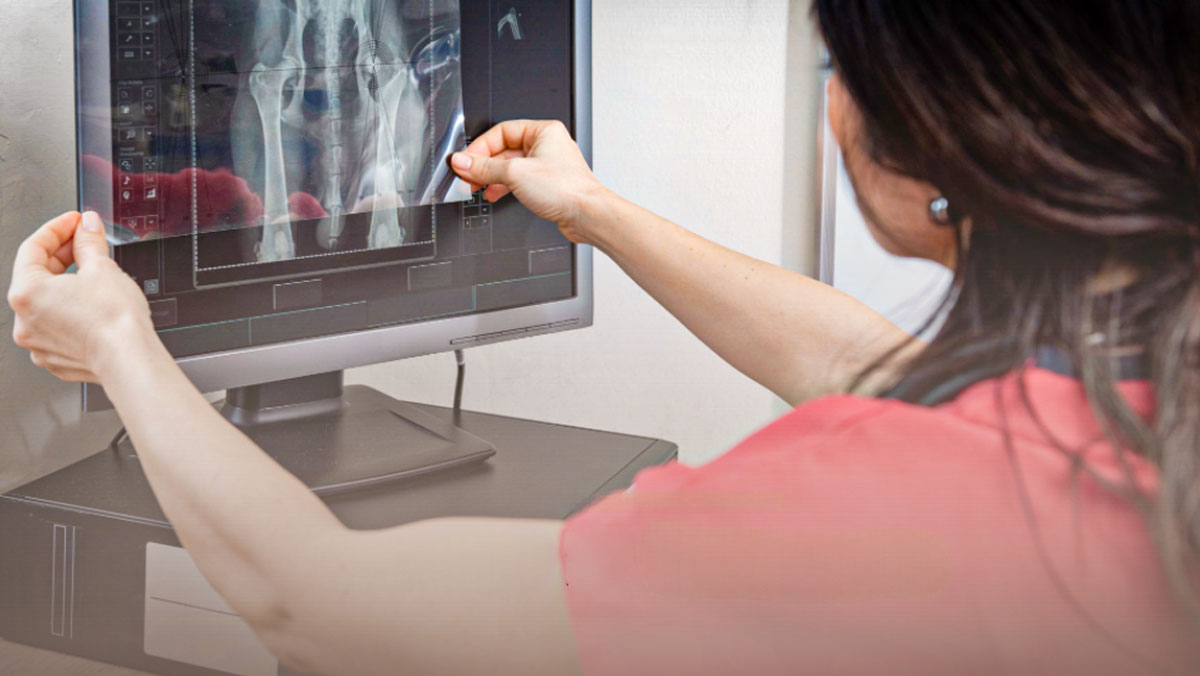
Blood tests and X-rays are often utilized to check for megaesophagus or pneumonia in dogs suspected of having laryngeal paralysis.
A definitive diagnosis is made by directly examining the larynx under sedation or light anesthesia, allowing the veterinarian to observe abnormal movement or lack of movement of the laryngeal cartilages.
Stepwise diagnostic approach
History and examination:
Complete history: age, breed, changes in breathing, noise, exercise tolerance, voice changes, any collapse events, exposure to heat or exertion
Thorough physical and neurologic exam to look for generalized weakness, reduced reflexes in leg muscles, and other clinical signs of polyneuropathy or concurrent disease
Common diagnostic tests:
Blood work (CBC, biochemistry) to assess overall health and screen for concurrent disease before anesthesia
Thyroid testing (T4, free T4, TSH) because hypothyroidism is sometimes associated, though normalizing thyroid hormone does not reliably reverse established Lar Par in most geriatric cases
Chest radiographs to check for aspiration pneumonia, megaesophagus, tracheal or lung disease, and masses
Neck radiographs to evaluate for masses or other structural abnormalities
Advanced imaging (CT or MRI) of the neck and chest in selected cases to investigate suspected tumors or complex presentations
Definitive diagnosis: sedated laryngeal examination
The gold standard is direct visualization of the larynx using a laryngoscope or endoscope:
The dog is placed under very light anesthesia so spontaneous breathing continues
The veterinarian or surgeon watches for failure of the arytenoid cartilages to open normally during inspiration
A small dose of a respiratory stimulant (such as doxapram) may be used to enhance breathing effort and make abnormal movement more obvious
Video documentation helps confirm findings and communicate with owners
Special tests in referral settings
Electrodiagnostic testing (EMG, nerve conduction studies) to document polyneuropathy
Breed-specific DNA tests for known hereditary conditions in Bouviers, Huskies, and other breeds where available
Rest assured that experienced veterinary teams minimize anesthetic risk during this brief airway examination by carefully controlling anesthetic depth and monitoring throughout.
Treatment overview: medical vs surgical management
Treatment is tailored to severity, overall health, and owner’s goals. Many dogs start with medical management and progress to surgery when breathing becomes limiting to quality of life.
Conservative (non-surgical) management
Ideal for mild cases or dogs with significant concurrent disease that makes anesthesia high-risk:
Weight management: Keeping dogs at a healthy weight significantly reduces respiratory effort
Environmental control: Avoiding heat and humidity, exercising during cooler parts of the day
Equipment changes: Using a body harness instead of any collar that puts pressure on the neck
Activity modification: Limiting strenuous exercise and situations that cause excitement
Anti-anxiety medications: Helpful for dogs who become easily overexcited, since excitement worsens breathing
Anti-inflammatory medications: Short steroid courses under veterinary guidance can reduce laryngeal swelling during flare-ups
Surgical management
When conservative measures aren’t enough:
The most common surgery is unilateral arytenoid lateralization (the “laryngeal tieback” or tie back procedure), which permanently sutures one side of the larynx open to improve breathing. The goal of this surgery is to keep the airway open, thereby improving airflow, but it does not restore the larynx’s original function.
Surgery does not cure the underlying neuropathy, but significantly reduces the risk of life-threatening airway obstruction
Most dogs experience dramatic improvement in quality of life after surgical correction
Emergency stabilization
For dogs presenting in respiratory crisis:
Initial care involves oxygen therapy, sedation to reduce panic, and cooling if hyperthermic
Sometimes, temporary intubation or emergency tracheostomy is needed
Definitive surgical treatment is performed once the patient is stable
Important: Decisions are individualized. Age, severity, other illnesses (such as megaesophagus or severe hindlimb weakness), and the owner’s capacity for aftercare all influence the choice of therapy.
Surgical treatment: laryngeal tie-back and alternatives
Unilateral arytenoid lateralization has become the gold-standard surgery performed by board-certified surgeons for most dogs with clinically significant laryngeal paralysis.
How the tie-back procedure works
Performed under general anesthesia through an incision on one side of the neck (usually the left)
The surgeon places strong permanent sutures to pull one arytenoid cartilage laterally
This holds that side of the larynx permanently open, creating a larger, stable opening for airflow
The goal is to improve breathing while limiting how widely the larynx opens—too wide increases aspiration risk
Benefits of surgical intervention
Around 85–90% of appropriately selected dogs experience dramatic improvement in breathing noise and exercise tolerance
Many dogs can return to comfortable leash walks and normal daily activities once recovered
The dog’s ability to regulate temperature through panting improves significantly
Risk of life-threatening respiratory crisis drops substantially
Risks and complications
Aspiration pneumonia: The most significant long-term risk as the airway is more open during swallowing
Short-term issues: Incisional infection, coughing, gagging, temporary or permanent voice changes
Rare complications: Suture failure or inadequate opening requiring revision surgery
Less common or alternative procedures
Partial arytenoidectomy or ventriculocordectomy:
Sometimes used in smaller dogs or when a tie-back is not possible
Generally carries a higher risk of scarring or insufficient airway opening
Permanent tracheostomy:
Creates a permanent opening in the neck for breathing, bypassing the larynx entirely
Reserved for severely affected patients with very high aspiration risk (severe megaesophagus) or failed previous surgeries
Requires committed lifelong stoma care
Recommendation: An experienced soft-tissue surgeon or surgical specialist should perform the tie-back surgery. The surgical technique requires threading the needle between adequate airflow and the need to minimize aspiration risk—this balance is critical to outcomes.
Medical and palliative management
Medical and palliative care remain crucial for mildly affected dogs, for those waiting for surgery, and for patients where surgical intervention is not appropriate due to frailty, advanced GOLPP, severe megaesophagus, or owner preference.
Environmental and lifestyle strategies
Weight control: Even 5–10% weight loss can noticeably improve breathing in overweight dogs
Temperature management: Avoid walks in the heat of the day; choose early morning or late evening
Humidity avoidance: High humidity worsens respiratory effort; provide air conditioning or fans indoors
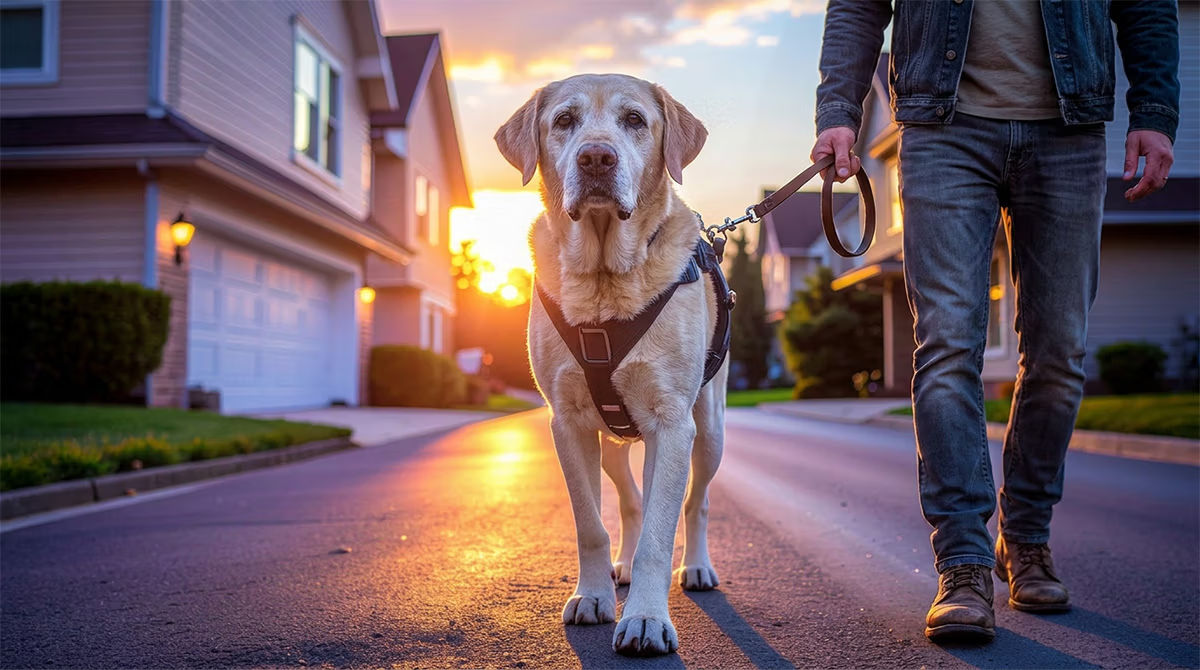
Harness use: Eliminate choke chains or neck collars entirely; use a well-fitted chest harness for all walks
Cool resting areas: Allow the dog to rest on cool surfaces (tile floors, cooling mats)
Medical options
Sedatives and anti-anxiety medications (trazodone, gabapentin, or similar) for dogs that become anxious with visitors, car rides, or thunderstorms
Short courses of anti-inflammatory medications or low-dose steroids for acute flare-ups under veterinary supervision
Treatment of underlying diseases: Hypothyroidism (thyroxine supplementation), infections, or heart disease when present
Palliative care when surgery is declined or not advised
Focus on a low-stress, indoor lifestyle with careful avoidance of triggers
Avoid rough play, ball throwing, or long hikes
Offer softer food and, if needed, a slightly elevated feeding position to help swallowing
Schedule regular check-ups with your primary vet or specialist every 3–6 months to monitor progression
Palliative care aims to preserve comfort and dignity. Veterinarians should discuss realistic expectations and quality-of-life assessment tools with owners so that decisions about continuing care are guided by the dog’s experience, not just our hopes.
Post-operative care and home management
After laryngeal tie-back, careful aftercare greatly reduces complications and supports a smooth recovery.
Immediate post-operative period (first 1–2 weeks)
Strict rest with leash-only walks for toileting; no running, jumping, or rough play
Administer prescribed pain relief, anti-inflammatories, and sometimes sedatives exactly as directed
Feed soft or moist food in small, frequent meals; avoid dry kibble that may crumble and be aspirated
Monitor the incision daily for redness, swelling, discharge, or gaping
Keep the environment calm and cool
- Your veterinarian should re-evaluate your pet and the skin sutures will typically be removed at the end of this period
Short- to mid-term care (first 3–4 weeks)
Gradually increase leash walks as advised by the surgeon
Watch for any return of noisy breathing or fatigue during activity
Continue to avoid swimming and off-leash activity
Swimming should remain permanently prohibited due to high aspiration risk
Maintain body harness use and avoid any neck pressure for life
Long-term home management
Expect and accept that:
A soft, hoarse, or absent bark is expected and usually permanent in many dogs
Mild coughing or throat-clearing after drinking may be normal
However, a persistent, worsening, or productive cough warrants prompt veterinary evaluation
Permanent lifestyle adjustments include:
No swimming—ever—even shallow water play carries risk
Cautious feeding: small meals, calm environment, possibly slightly elevated bowl depending on individual veterinary advice
Careful exercise in cooler parts of the day
Continued weight management to maintain a healthy weight
Owners should receive clear written discharge instructions and an emergency plan specifying which signs require same-day veterinary evaluation versus immediate emergency hospital visit.
Aspiration pneumonia: the most important complication
Aspiration pneumonia—when food, liquid, or stomach contents enter the lungs, resulting in infection and inflammation—is the main serious complication of both laryngeal paralysis and tie-back surgery.
Understanding the risk
Even before surgery, dogs with laryngeal paralysis—especially those with GOLPP or megaesophagus—are at increased risk
After unilateral arytenoid lateralization, the lifetime risk is commonly quoted around 8–20% in published studies, varying by patient selection and aftercare quality
The surgically opened airway cannot close as effectively during swallowing, allowing material to enter the lungs
Warning signs owners should watch for (the following signs)
New or worsening cough, especially after eating or drinking
Lethargy, reluctance to exercise, or rapid fatigue
Fever (warm ears, warm body, or measured temperature over about 39.5°C / 103.1°F)
Rapid or labored breathing, sometimes with abdominal effort
Nasal discharge
Decreased appetite
Veterinary diagnosis and treatment
Chest radiographs to identify lung infiltrates
Blood tests to assess infection severity and oxygen levels
Hospitalization with oxygen therapy, intravenous fluids, and antibiotics in moderate to severe cases
Sometimes, nebulization and coupage (chest physical therapy) to help clear secretions
Prevention strategies to prevent aspiration pneumonia
Avoid swimming or water retrieving for life—even shallow water play can be hazardous
Feed measured meals rather than free-feeding to avoid “guzzling.”
Use slow-feeder bowls if your dog eats too quickly
Encourage a calm, quiet environment during and after meals
No vigorous play or running immediately after eating or drinking
Reassurance: Although aspiration pneumonia is serious, many dogs survive one or more treated episodes and continue to enjoy a good quality of life, especially when recognized and treated early.
Prognosis and quality of life
Prognosis varies with severity, presence of GOLPP or megaesophagus, and whether surgery is performed—but many dogs live normal or near-normal lifespans with appropriate care.
Practical prognosis information
| Scenario | Expected Outcome |
|---|---|
| Mild cases managed medically | Many dogs remain stable for months to years, though most gradually progress |
| After successful tie-back surgery (no major comorbidities) | Most dogs enjoy 1–3 years or more of good quality of life |
| Dogs with GOLPP but well-managed | Often live comfortable lives, though underlying neuropathy progresses |
| Presence of megaesophagus | Guarded prognosis due to higher aspiration risk |
Factors that worsen prognosis
Documented megaesophagus, recurrent aspiration pneumonia, or severe generalized neuropathy with marked hindlimb weakness
Large intra-thoracic or neck tumors compressing the nerve or airway
Very advanced age or significant heart, kidney, or endocrine disease limiting anesthesia safety
Owners who are unable to provide the necessary lifestyle modifications and monitoring
Quality-of-life assessment
Track “good days versus bad days,” appetite, interest in family activities, and signs of distress
Use structured quality-of-life scales (your veterinarian can provide these) to help guide decisions
Regular reassessment is important as the condition progresses
A compassionate note: In some cases, when breathing crises become frequent or uncontrolled, and comfort cannot be reliably maintained, euthanasia can be a kind and humane choice made in consultation with your veterinary team. Recognizing when a dog’s quality of life has deteriorated beyond what we can manage is one of the hardest but most loving decisions an owner can make.
Frequently asked questions about laryngeal paralysis
These are the questions I hear most often from dog owners in my surgical referral practice.
Is laryngeal paralysis painful for my dog?
The condition itself is not directly painful. However, the effort and panic of struggling to breathe is extremely distressing. Dogs experiencing difficulty breathing often become anxious and exhausted. Secondary muscle soreness from labored breathing can occur, and the psychological distress is very real.
Can medication cure laryngeal paralysis?
No. Medications cannot restore nerve function properly in most geriatric cases. The nerve damage and muscle atrophy are not reversible with drugs. Medications can help manage symptoms, reduce anxiety, decrease inflammation during flare-ups, and prevent triggering events—but they cannot fix the underlying mechanical problem.
Will my dog’s bark change after surgery?
Yes, many dogs have a permanently softer or hoarse bark after tie-back surgery. This is expected and actually indicates that the operated side is appropriately positioned. Some dogs lose their bark almost entirely. While this can be emotionally difficult for owners, it’s a small trade-off for the ability to breathe comfortably.
How do I know if it’s time to consider surgery?
Consider surgical consultation if your dog experiences:
Frequent noisy breathing at rest
Reduced ability to enjoy normal walks
Any previous respiratory crisis or collapse
Lack of meaningful response to conservative measures
Significant impact on quality of life
Your veterinarian and a surgical specialist can help you weigh the risks and benefits for your individual dog.
Is my dog too old for tie-back surgery?
Biological age and overall health matter far more than calendar age. Many 11–13-year-old dogs do very well with surgery if their heart, kidneys, and other systems are reasonably healthy. A thorough pre-surgical workup helps identify dogs who are good candidates. Don’t assume age alone disqualifies your dog from needing a surgical evaluation.
Can laryngeal paralysis be prevented?
Currently, there is no proven way to prevent GOLPP-related laryngeal paralysis. Good general health, maintaining a healthy weight, and genetic screening in predisposed breeds may help reduce population-level risk over time. For congenital forms, responsible breeding practices and DNA testing in at-risk breeds are the primary prevention strategies.
Will my dog still be able to swim after surgery?
No. Swimming is strongly discouraged for life after the tie-back surgery because of high aspiration risk. Water entering the open airway can easily reach the lungs. Alternative low-impact exercises include controlled leash walks, gentle off-leash play on land (when appropriate and safe), and underwater treadmill therapy under professional supervision if available.
What questions should I ask my veterinarian?
Is my dog a candidate for surgery, or is medical management more appropriate?
What is my dog’s individual aspiration risk?
Are there signs of GOLPP or megaesophagus that affect prognosis?
What emergency signs should prompt immediate care?
Maintain regular contact with your primary veterinarian and, when appropriate, a surgical or neurology specialist for ongoing guidance as your dog ages.
What is the difference between Lar Par and tracheal collapse?
These are two distinct conditions:
| Feature | Laryngeal Paralysis | racheal Collapse |
|---|---|---|
| Location | Larynx (voice box) | Trachea (windpipe) |
| Typical patient | Older large-breed dogs | Small breed dogs |
| Sound | Harsh inspiratory stridor | Honking cough |
| Treatment | Treatment Tie-back surgery | Medications, sometimes stenting |
Your veterinarian can distinguish between these conditions through examination and imaging.
Working with your veterinary team
Managing laryngeal paralysis is a team effort involving you (the owner), your primary care veterinarian, and often board-certified surgeons or internists.
Collaborative care roles
Primary care veterinarian:
First recognition of early signs
Initial diagnostic tests and medical management
Monitoring for progression and complications
Coordination with specialists
Surgical specialist:
Consultation about suitability for tie-back surgery or alternatives
Detailed risk–benefit discussion tailored to your dog
Performance of the procedure called laryngeal tie-back
Post-operative monitoring and guidance
Neurologist or internal medicine specialist:
Evaluation if generalized neuropathy, megaesophagus, or suspicious masses are present
Electrodiagnostic testing and advanced imaging interpretation
Management of complex multi-system disease
Helpful tips for appointments
Bring video recordings of your dog’s breathing at home, especially during episodes—this often helps confirm severity and pattern better than a calm exam-room visit
Keep a log of “good days versus bad days” and any concerning symptoms
Write down your questions before appointments
Recommended recheck schedule
| Situation | Suggested Frequency |
|---|---|
| Mild or medically managed dogs | Every 6–12 months, or sooner if signs change |
| Post-operative patients | 2 weeks, 6–8 weeks, then every 6–12 months |
| Any breathing or coughing changes | Immediate evaluation |
Although laryngeal paralysis is a serious diagnosis, many dogs continue to enjoy happy, comfortable lives with timely diagnosis, appropriate treatment, and thoughtful day-to-day management. Your partnership with your veterinary team gives your dog the best chance at quality time together.
If you’ve noticed changes in your dog’s breathing, bark, or exercise tolerance—especially if you have an older large-breed dog—don’t wait. Schedule an evaluation with your veterinarian and ask specifically about laryngeal paralysis. Early recognition leads to better outcomes, and your dog is counting on you to be their advocate.