
Key Takeaways
Hemoabdomen is a life-threatening emergency where minutes to hours matter. Free blood accumulates in the abdominal cavity, most often from the spleen or liver in middle-aged to older dogs.
The most common cause of acute hemoabdomen in dogs is tumor rupture, particularly rupture of a splenic mass such as splenic hemangiosarcoma. Traumatic hemoabdomen typically results from car accidents and major blunt trauma.
The presence of hemoabdomen is highly associated with malignancy; studies show that 80% of nontraumatic hemoabdomen cases are due to malignant tumors.
Red-flag signs that demand immediate veterinary attention include sudden weakness or collapse, pale mucous membranes (white or grey gums), a distended abdomen, and rapid or labored breathing.
Emergency stabilization involves IV fluids, oxygen support, and blood transfusion when needed, while rapid abdominal ultrasound helps determine whether surgery is feasible and appropriate.
Prognosis depends entirely on the underlying cause: benign splenic masses can be cured with surgery, while hemangiosarcoma carries a guarded prognosis even with treatment.
This guide is for pet owners and veterinarians seeking urgent, practical information about hemoabdomen in dogs. Recognizing and responding to hemoabdomen quickly can save a dog’s life.

What Is Hemoabdomen (Intra-Abdominal Bleeding) in Dogs?
Hemoabdomen is the presence of blood in the abdominal cavity and can be life-threatening, requiring immediate veterinary attention.
Hemoabdomen—also called hemoperitoneum—is the accumulation of free blood within the peritoneal cavity, the space that surrounds the abdominal organs. This isn’t blood contained within blood vessels or hollow organs like the stomach. It’s internal bleeding that pools between the liver, spleen, intestines, and kidneys, essentially filling the abdomen with blood that has nowhere to drain.
Acute hemoabdomen is defined as a sudden, life-threatening accumulation of blood in the abdomen, often resulting from tumor rupture.
The organs most frequently involved are the spleen and liver, though the kidneys, adrenal glands, and major blood vessels such as the caudal vena cava can also be sources. Tumor rupture, especially of splenic hemangiosarcoma, is a common cause of acute hemoabdomen. When a mass, vessel, or organ ruptures, blood spills into the abdominal cavity and bathes the gastrointestinal tract, omentum, and surrounding structures.
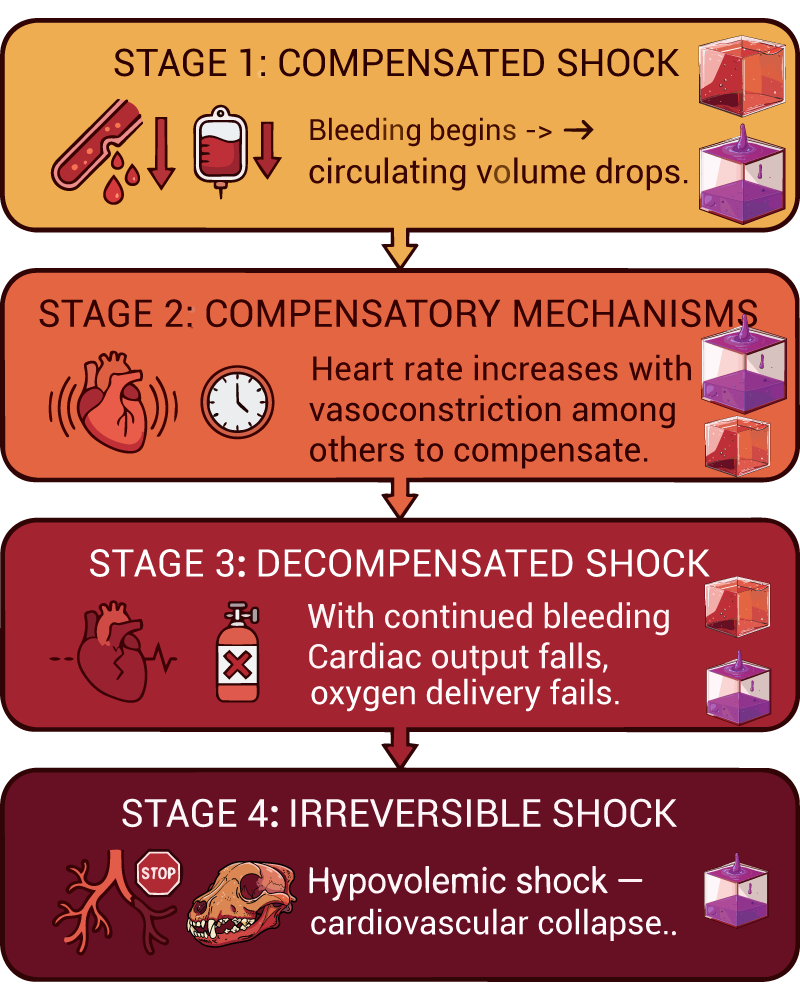
The pathophysiology is straightforward but devastating. As blood loss continues, the effective circulating blood volume drops. The heart pumps faster to compensate, but with less blood returning through the veins, cardiac output falls. Tissues become starved for oxygen. Without intervention, this progression leads to hypovolemic shock—a cascade of cardiovascular failure that can prove fatal within hours.
It’s essential to understand that hemoabdomen is a clinical syndrome, not a final diagnosis. Identifying that a dog has bleeding into the abdomen is only the first step. The underlying cause—whether trauma, a tumor, or a clotting disorder—determines both treatment options and prognosis. This distinction matters enormously for decision-making.
In veterinary medicine, hemoabdomen represents one of the most common surgical emergencies seen at referral hospitals and emergency clinics worldwide. It occurs most frequently in dogs over 8 years of age, particularly in large and giant breeds. The majority of tumors causing hemoabdomen in dogs are malignant, particularly in senior pets.
How to Recognize Hemoabdomen at Home: Urgent Signs
As a pet owner, you’re often the first to notice when something is wrong. Subtle changes in your dog’s behavior or energy level can be early warning signs of serious internal problems. Recognizing these clinical signs early can genuinely save your dog’s life.
Early Warning Signs
The initial presentation can be surprisingly subtle:
Lethargy or reluctance to stand, walk, or climb stairs
Slower than normal walks with frequent pauses
Intermittent weakness or collapse episodes that seem to improve after rest
Decreased appetite or unusual quietness
Reluctance to jump onto furniture or into the car
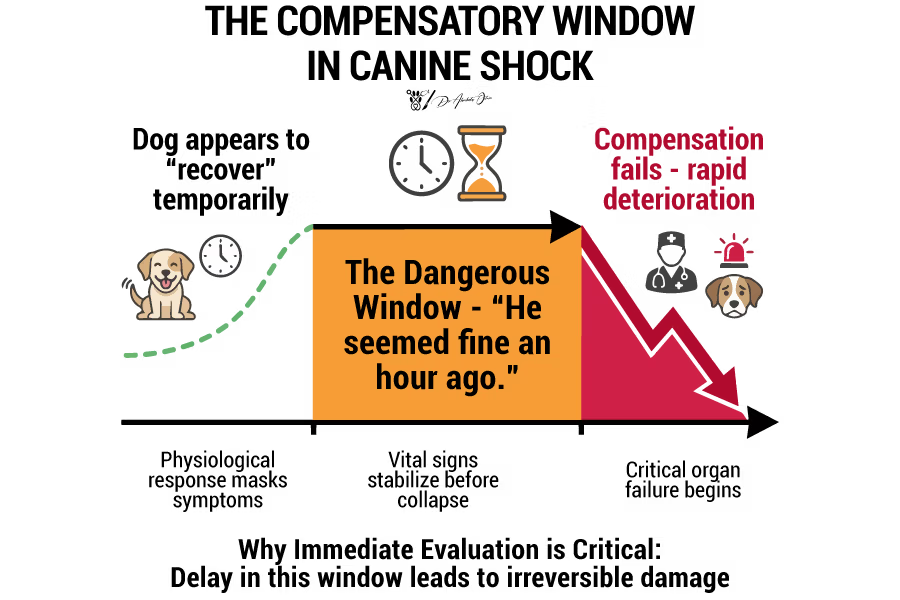
These early signs occur because dogs present with compensatory mechanisms that temporarily mask the severity of blood loss. The body redirects blood from nonessential tissues to maintain perfusion to vital organs, creating a brief window during which the dog may appear to stabilize.
Signs of Advancing Shock
As internal bleeding continues or compensation fails, more alarming signs develop:
Pale gums: White, grey, or muddy-colored mucous membranes instead of healthy pink

- Cool extremities: Ears, paws, and tail feel cold to the touch
Rapid heart rate: You can feel the heart racing when you place a hand on the chest
Weak pulse: Pulses at the inner thigh feel faint or “thready”
Fast breathing: Panting at rest, labored respiration, or open-mouth breathing
Mental dullness: Glassy eyes, unresponsiveness, or unusual restlessness
The abdomen may become enlarged, tense, or take on a pot-bellied appearance as blood accumulates. However, and this is critical, many patients with hemoabdomen have surprisingly normal-appearing bellies. A flat abdomen does not rule out significant internal bleeding.

When to Act Immediately
Any episode of sudden collapse in an older large-breed dog—Golden Retrievers, Labrador Retrievers, German Shepherd Dogs, Boxers—should prompt immediate emergency evaluation. These breeds carry higher risk for splenic tumors, and waiting to “see if it passes” can cost your dog its life.
Major Causes of Hemoabdomen
The causes of hemoabdomen divide broadly into traumatic and non-traumatic categories. Understanding this distinction helps guide both emergency management and prognosis discussions.
In everyday veterinary practice, non-traumatic hemoabdomen—bleeding without an obvious injury—is more common than many owners expect, particularly in older dogs. Traumatic cases, while dramatic, often have more straightforward treatment paths when other injuries are manageable.
The key players in non-traumatic cases are typically splenic and hepatic masses. Among malignant masses, hemangiosarcoma dominates, accounting for an estimated 60-70% of spontaneous hemoabdomen cases in dogs. However, it’s worth noting that benign lesions like splenic hematoma and nodular hyperplasia can cause equally dramatic bleeding episodes.
Additional causes include:
Coagulation disorders: Rodenticide toxicity, severe liver disease, inherited clotting factor deficiencies, and immune-mediated platelet destruction
Postoperative bleeding: Complications following abdominal surgery
Vascular abnormalities: Rare aneurysms or vessel malformations
In cats, hemoabdomen is considerably less common. When it does occur, causes tend toward trauma, rodenticide exposure, or systemic diseases rather than the splenic hemangiosarcoma pattern seen in dogs.
One frustrating reality: distinguishing benign from malignant masses typically requires surgery and histopathology. Blood work and even ultrasound cannot reliably make this determination.
Non-Traumatic Hemoabdomen (Internal Tumors and Other Causes)
Most non-traumatic hemoabdomen cases in dogs result from a ruptured abdominal mass on the spleen or liver. These masses may be:
Malignant (cancerous):
Splenic hemangiosarcoma—the most common and most feared
Hepatocellular carcinoma
Metastatic tumors from other primary sites
Adrenal or renal tumors
Gastrointestinal stromal tumors
Benign (non-cancerous):
Splenic hematoma (organized blood clot)
Nodular hyperplasia
Hemangioma
Splenic hemangiosarcoma deserves special attention. This malignant tumor arises from the cells that form blood vessels. The tumor tissue is fragile, highly vascular, and prone to sudden rupture. Dogs affected are typically over 8-10 years old, with Golden Retrievers, Labrador Retrievers, and German Shepherd Dogs overrepresented.
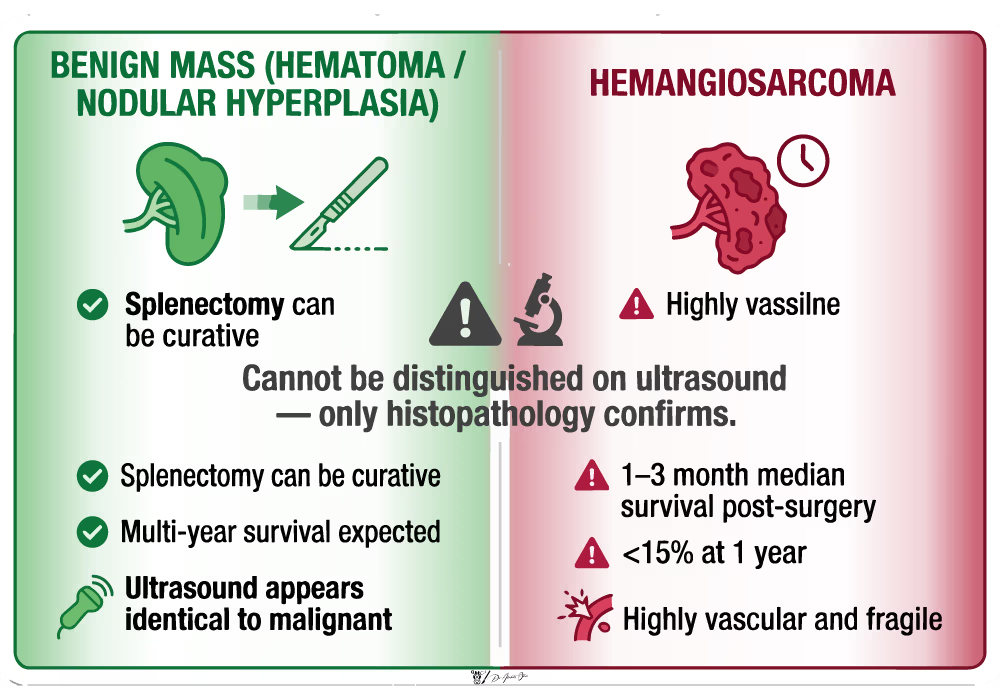
The cruel challenge is that on abdominal ultrasound, a benign splenic mass can appear identical to hemangiosarcoma. The only way to achieve a definitive diagnosis is surgical removal followed by histopathologic examination. This uncertainty creates genuine difficulty for owners facing emergency decisions.
Non-tumor causes of non-traumatic hemoabdomen include:
Rodenticide toxicity from anticoagulant rat poisons, which depletes vitamin K-dependent clotting factors
Severe liver failure with inadequate clotting factor synthesis
Immune-mediated thrombocytopenia causing dangerously low platelet counts
Disseminated intravascular coagulation (DIC) associated with sepsis or advanced cancer
When coagulation disorders are present, bleeding often occurs at multiple sites rather than from a single mass. These patients may also show external bleeding from the gums or nose, or have visible bruising on the skin.
Traumatic Hemoabdomen
Traumatic hemoabdomen follows an identifiable injury, typically within minutes to hours of the event. The bleeding source is direct tissue damage rather than disease.
Common scenarios include:
Hit-by-car accidents (the most frequent cause)
Falls from significant heights
Kicks from horses or livestock
Penetrating wounds from gunshots, knives, or bite wounds
Crushing injuries
The spleen and liver are the abdominal organs most vulnerable to blunt trauma. Their capsules can tear or lacerate, releasing blood into the abdominal cavity. The severity ranges enormously—from minor bleeds that self-tamponade within hours to massive hemorrhage requiring immediate surgery.
Traumatic hemoabdomen rarely occurs in isolation. Concurrent injuries commonly include:
Pneumothorax (collapsed lung from air in the chest)
Rib or pelvic fractures
Spinal injuries
Extensive soft tissue damage
Head trauma
This complexity affects stabilization, anesthesia planning, and prognosis. A dog with isolated splenic laceration from a minor fall has a very different outlook than one with multi-system trauma from a high-speed motor vehicle accident.
How Veterinarians Diagnose Hemoabdomen
When a patient in crisis arrives at the emergency room, the first priority is stabilization—establishing IV access, providing oxygen, and initiating fluid therapy—while diagnostic tests are performed in parallel. This isn’t a sequential process; it’s simultaneous.
Physical Examination
The initial physical examination focuses on:
Heart rate: Elevated in shock as the body compensates
Mucous membrane color: Pale indicates blood loss; normal pink is reassuring
Capillary refill time: How quickly color returns when gums are pressed
Pulse quality: Weak or thready pulses suggest poor perfusion
Respiratory rate and effort: Labored breathing may indicate thoracic involvement
Abdominal palpation: Checking for distension, pain, or fluid wave
Neurologic status: Assessing mentation and responsiveness
Point-of-Care Diagnostics
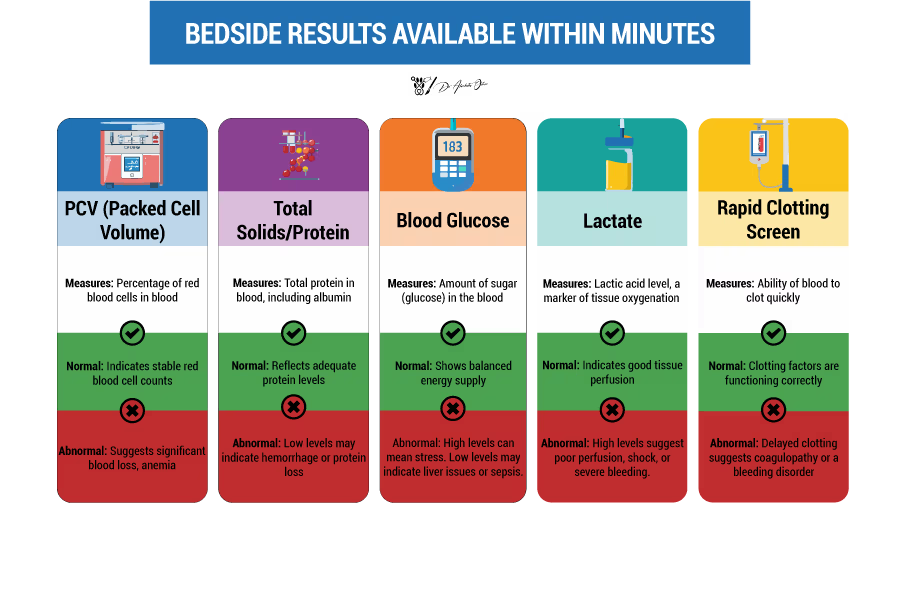
Rapid bedside tests provide critical information within minutes:
| Test | What It Tells Us |
|---|---|
| Packed cell volume (PCV) | Percentage of red blood cells; low values indicate anemia |
| Total solids/protein | Protein concentration: low values suggest blood loss |
| Blood glucose | Metabolic status |
| Lactate | Elevated levels indicate poor tissue perfusion |
| Rapid clotting screen | Detects coagulation abnormalities |
Serial packed cell volume (PCV) measurements over time are particularly valuable. A dropping PCV confirms ongoing blood loss, while stable or rising values suggest bleeding may be slowing.
Imaging for Free Fluid: Abominal Ultrasound
The AFAST (Abdominal Focused Assessment with Sonography for Trauma) examination has revolutionized emergency triage. This rapid ultrasound technique evaluates four standardized locations in the abdomen to detect free fluid around the liver, spleen, and bladder.
When dark (anechoic) or swirling fluid appears in these spaces, hemoperitoneum is strongly suspected. The examination takes just minutes and doesn’t require full patient stabilization before proceeding.
Confirming Blood in the Abdomen
Abdominocentesis—inserting a needle or small catheter into the abdomen—allows direct confirmation of hemoabdomen. The fluid obtained is analyzed for:
Color and character: Dark red, non-clotting blood is characteristic
PCV comparison: Abdominal fluid PCV compared to peripheral blood
Cytology: Presence of red blood cells, possible neoplastic cells, and signs of chronicity like erythrophagocytosis
The non-clotting nature of abdominal blood is key. Blood that has been in the abdomen defibrinates, meaning it no longer clots. This helps distinguish true hemoabdomen from an accidental vessel puncture during sampling.
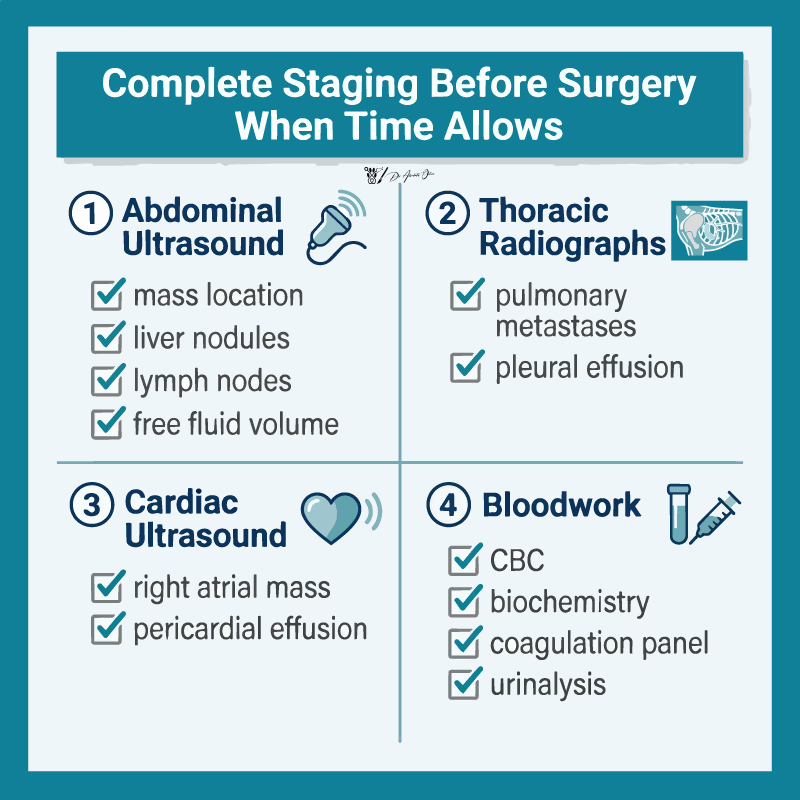
Complete Staging
Once the patient stabilizes, more comprehensive imaging follows:
Full abdominal ultrasound: Characterizing masses, evaluating liver nodules, assessing lymph nodes
Thoracic radiographs: Searching for pulmonary metastases or concurrent chest injury
Cardiac ultrasound: Looking for pericardial effusion or right atrial masses (common with hemangiosarcoma)
CT scanning: In select cases requiring detailed surgical planning
Routine blood work, including a complete blood count (CBC), serum biochemistry, a full coagulation profile, and urinalysis, helps identify anemia severity, organ dysfunction, and clotting abnormalities that may have caused or been exacerbated by the bleeding.
Emergency Stabilization and Treatment Options
The goals in the first critical hours are clear:
Restore circulating blood volume
Optimize oxygen delivery to tissues
Identify the bleeding source
Determine whether surgery is indicated and feasible
Every decision during this phase for patients with hemoabdomen balances urgency against risk, with the ultimate question being whether intervention will meaningfully benefit the patient.
Fluid and Blood Product Resuscitation
Controlled fluid resuscitation begins immediately:
Isotonic crystalloids: Balanced electrolyte solutions given as boluses, adjusted to patient response
Colloids: Occasionally used in select situations
Blood products: Packed red blood cells or whole blood when anemia is significant; plasma when coagulopathy is present
The goal isn’t to normalize blood pressure completely—overly aggressive resuscitation can actually dislodge clots and worsen bleeding. Instead, we aim for “permissive hypotension,” maintaining just enough pressure to perfuse vital organs while the bleeding source is addressed.
Autotransfusion
One remarkable option for patients with hemoabdomen is autotransfusion—collecting the patient’s own free abdominal blood, filtering it, and returning it intravenously. This technique:
Provides immediate volume replacement
Delivers the patient’s own red blood cells, minimizing transfusion reactions
Reduces dependence on blood bank products
Autotransfusion is most appropriate in traumatic or benign mass cases. In suspected hemangiosarcoma, there’s theoretical concern about redistributing neoplastic cells, though many affected dogs already have microscopic metastatic disease.
Supportive Care
Additional supportive measures include:
Oxygen therapy: Flow-by, oxygen cage, or nasal cannula as needed
Temperature support: Active warming for hypothermic patients
Analgesia: Opioid pain medications like methadone or fentanyl (avoiding NSAIDs, which affect platelets and kidneys)
Strict monitoring: Vital signs, urine output, and serial PCV/total solids
The Surgery Decision
Definitive treatment often requires surgery to control the bleeding source. However, not every patient with hemoabdomen requires surgery.
Surgery is typically indicated when:
A bleeding mass is identified on imaging
The patient can be stabilized enough for anesthesia
The owner understands the risks and potential outcomes
Medical management may be appropriate when:
Bleeding is minor and appears to be stopping (some trauma cases)
Coagulopathy is the primary cause and can be corrected medically
Advanced metastatic disease makes surgery purely palliative
Owners decline surgery after informed discussion
For patients with poor prognosis or evidence of suffering that intervention cannot realistically address, discussions about palliative care or humane euthanasia are part of responsible emergency management—not a failure, but appropriate medical care..
Surgical Management (Splenectomy, Liver Surgery, and Beyond)
Splenectomy—surgical removal of the entire spleen—is the most common procedure performed for non-traumatic hemoabdomen due to a splenic mass. The entire organ is removed rather than just the visibly affected portion because:
Splenic masses are often multifocal
The spleen is not essential for life in adult dogs
Complete removal eliminates future bleeding risk from that organ
Key steps during surgery include:
Rapid entry into the abdomen
Immediate control of the bleeding vessel(s)
Complete splenectomy with vessel ligation
Thorough exploration of the entire abdominal cavity
Inspection of the liver surface, omentum, mesentery, and diaphragm for metastases or additional bleeding sites
Biopsy of any suspicious nodules
Submission of all removed tissue for histopathology
For liver bleeding, partial hepatectomy or liver lobectomy may be required. These procedures are technically more demanding given the liver’s vascularity and friability. Topical hemostatic agents can help control oozing from liver surfaces.
Surgical risks include:
Anesthetic complications in a compromised patient
Continued or recurrent bleeding
Cardiac arrhythmias (especially ventricular arrhythmias, which are common after splenic surgery)
Infection
Need for intensive postoperative monitoring
All removed tissues must be submitted for histopathology. Visual appearance during surgery cannot reliably distinguish benign from malignant masses. Dogs treated surgically deserve accurate diagnosis to guide prognosis and potential chemotherapy decisions.
Medical Management When Surgery Is Not Performed
Non-surgical or delayed-surgical management may be chosen in several scenarios:
Minor, self-limiting bleeding: Common in some traumatic injuries where the bleeding stops with conservative care
Owner decline of surgery: Due to cost, patient age, or known advanced disease
Correctable coagulopathy: When clotting disorders are the primary problem
Conservative management includes:
Strict cage rest and activity restriction
Serial monitoring of PCV/total solids and vital signs
Repeat abdominal ultrasound to assess fluid accumulation
Adjustment of IV fluids and analgesia protocols over 24-72 hours
For rodenticide toxicity, treatment focuses on vitamin K1 therapy (which may be required for weeks), plasma transfusions to provide immediate clotting factors, and supportive care until the coagulation system recovers.
Critical owner counseling points:
When a bleeding tumor is suspected but not removed, there is significant risk of re-bleeding, sudden collapse, and even death. This isn’t pessimism—it’s reality. Owners need clear guidance on:
Expected time frame if things go well
Warning signs of deterioration
What to do if another crisis occurs
When euthanasia should be considered
Palliative management may prioritize comfort and quality of life for days to weeks while recognizing the likelihood of another life-threatening bleed.
Prognosis, Survival Times, and Long-Term Care
Prognosis for hemoabdomen depends almost entirely on three factors:
The underlying cause
The dog’s overall health status
How quickly appropriate treatment is instituted
There are no universal survival statistics because the range of causes is so broad.
Traumatic Hemoabdomen Outcomes
Many dogs with traumatic hemoabdomen survive and return to completely normal lives, provided:
Bleeding is controlled (either surgically or through natural tamponade)
Concurrent injuries are manageable
Treatment isn’t delayed excessively
Prognosis worsens significantly with severe multi-system trauma, delayed presentation, or uncontrollable hemorrhage from major vessels.
Benign Splenic Mass Outcomes
For dogs with benign masses such as splenic hematoma or nodular hyperplasia:
Splenectomy can be curative
Long-term survival of multiple years is expected
Dogs typically return to normal activity after recovery
This represents the “best case” scenario and is why emergency surgery is often strongly recommended—you may be saving your dog’s life for years to come.
Splenic Hemangiosarcoma Outcomes
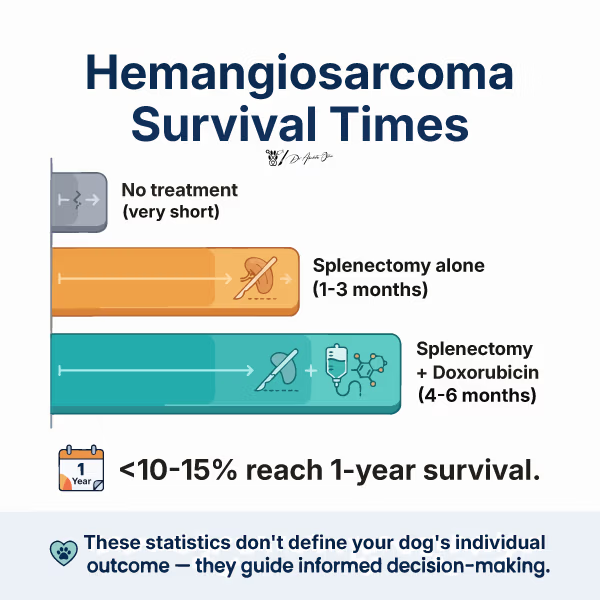
The reality of hemangiosarcoma is sobering:
| Treatment | Median Survival |
|---|---|
| Splenectomy alone | 1-3 months |
| Splenectomy + doxorubicin chemotherapy | 4-6 months |
| 1-year survival with treatment | <10-15% |
Other Malignant Masses
Hepatocellular carcinoma: When completely resectable, survival can extend months to years
Adrenal tumors: Variable depending on vascular invasion and metastatic spread
High-grade lymphoma: Generally poor prognosis but may respond to CHOP-based chemotherapy
Post-Operative Care
For anemic dogs recovering from surgery:
Activity restriction for at least 10-14 days
Incision monitoring for swelling, discharge, or dehiscence
Pain medication as prescribed
Scheduled rechecks with bloodwork and imaging
Dogs receiving chemotherapy after splenectomy should expect:
Visits every 2-3 weeks initially
Monitoring for side effects (decreased appetite, vomiting, lowered white blood cell counts)
Adjustments to protocol based on tolerance
Decision-Making for Pet Owners: Questions to Ask Your Veterinarian
Facing a hemoabdomen emergency is overwhelming. Having a framework for the conversation can help.
Questions about current status:
Is my dog currently stable, in compensated shock, or actively deteriorating?
How urgently do we need to make decisions?
Questions about diagnosis:
Do you see a mass on ultrasound?
Is there evidence of spread to the liver, lungs, or heart?
What’s your best assessment of whether this is cancer?
Questions about treatment:
Is surgery likely to be life-saving, palliative, or only diagnostic?
What are the expected survival times with and without surgery?
What’s the best-case, likely, and worst-case scenario?
Questions about logistics:
What are the total expected costs for stabilization, imaging, surgery, hospitalization, and histopathology?
If this is cancer, what would chemotherapy involve?
Quality of life considerations:
Does my dog have other treatments or conditions (arthritis, heart disease, kidney failure) that would limit benefit from aggressive treatment?
What will recovery look like?
Remember: asking for a brief pause to think, call family members, or request a second opinion (when time allows) is completely reasonable. A good veterinary team will support you in making a decision that aligns with your values and your dog’s welfare.
Prevention, Monitoring, and When to Seek Emergency Care
True prevention of tumor-related hemoabdomen isn’t possible—we can’t stop tumors from forming. However, early detection and rapid response can dramatically change outcomes.

Screening Recommendations
For dogs over 7-8 years, particularly large-breed dogs at higher risk:
Annual or semi-annual physical exams with baseline blood work
Periodic abdominal ultrasound (every 6-12 months) for at-risk breeds to potentially detect masses before rupture
Attention to subtle changes in energy, appetite, or behavior
Elective splenectomy for a discovered mass is dramatically safer than emergency surgery for a ruptured one.
Trauma Prevention
Simple measures reduce risk of traumatic hemoabdomen:
Secure fencing to prevent escape
Leash use near roads
Supervision around large animals
Safe vehicle transport using harnesses or carriers
Emergency Triggers: When to Go Now
Seek emergency care immediately if you observe:
Sudden collapse or inability to rise
White, grey, or muddy gums
Rapid abdominal enlargement
Severe weakness or mental dullness
Any dramatic acute change in a previously stable older dog
Non-responsive or minimally responsive episodes
Don’t wait to “see if it passes.” Keep your 24-hour emergency clinic’s contact information readily available. Transport calmly but without delay.
Frequently Asked Questions (FAQ) About Hemoabdomen in Dogs
Can my dog’s hemoabdomen stop bleeding on its own without surgery?
In some cases, yes—particularly with traumatic injuries and clotting-related causes. Bleeding can temporarily tamponade (clot off) and stabilize with strict rest and medical support. However, tumor-related hemoabdomen frequently re-bleeds because the underlying mass remains fragile and prone to rupture. “Stabilization” today doesn’t guarantee safety tomorrow if a bleeding mass stays in place. Owners should understand that medical management without surgery often represents a temporary holding pattern rather than a cure.
Is there a blood test that can tell if my dog’s splenic mass is cancer before surgery?
Unfortunately, no routine blood test reliably distinguishes benign from malignant splenic masses. “Cancer profiles” and tumor markers are not yet sufficiently accurate to replace histopathology. Even cytology (needle aspirates) of splenic masses is often non-diagnostic due to blood contamination and the challenge of obtaining representative cells from vascular tumors. Surgery and tissue examination remain the gold standard for diagnosis.
Should I consider chemotherapy after splenectomy for hemangiosarcoma?
Doxorubicin-based chemotherapy is the current standard for extending survival after splenectomy for hemangiosarcoma. While not curative, it modestly improves median survival times from roughly 1-3 months to 4-6 months. Some dogs do better; some do worse. Chemotherapy is generally well-tolerated, but owners should discuss expected side effects, visit frequency, and realistic goals with a veterinary oncologist. The decision should weigh potential quality time gained against treatment burden.
Will my dog live a normal life without a spleen if the mass is benign?
Absolutely. Most dogs adapt remarkably well to life without a spleen when the underlying process is benign. After the recovery period, they can resume normal activity levels with no restrictions. While dogs without spleens may have slightly increased susceptibility to certain blood-borne infections, this is rarely clinically significant in otherwise healthy pets living normal domestic lives.
How do I know when it’s time to choose euthanasia instead of surgery?
This deeply personal decision should weigh multiple factors: likelihood of malignancy and metastasis, current suffering, response to stabilization efforts, coexisting diseases, financial and caregiving capacity, and your family’s values. Ask your veterinarian directly: “Does intervention offer my dog meaningful time with good quality of life, or are we mainly adding hospitalization and procedures with little expected benefit?” An experienced emergency or surgical team can help you determine whether proceeding with treatment serves your dog’s interests or prolongs suffering. There is no shame in choosing a peaceful death when medicine cannot offer a good path forward.