
Introduction
This article provides a comprehensive overview of gastric dilatation-volvulus (GDV) in dogs, including causes, risk factors, clinical signs, emergency treatment, and prevention strategies. It is intended for dog owners, breeders, and veterinary professionals who want to understand this life-threatening condition and how to respond effectively. Understanding GDV in dogs is crucial because rapid recognition and intervention can mean the difference between life and death for affected pets.
Key Takeaways
Gastric dilatation-volvulus (GDV) in dogs is a true surgical emergency. Gastric dilatation volvulus syndrome—commonly called “bloat with a twist”—can progress from first symptoms to life-threatening shock within one to two hours. Every minute counts.
Know the classic early signs. Sudden abdominal swelling, repeated unproductive retching, restlessness, and collapse mean you should leave for an emergency veterinary hospital immediately, day or night.
Large and giant deep-chested breeds are at the highest risk. Great Danes, German Shepherds, Standard Poodles, Weimaraners, St. Bernards, and Irish Setters over five to six years old are most vulnerable, but any dog can develop GDV.
Treatment requires emergency surgery. Rapid stabilization, gastric decompression, and surgical intervention are non-negotiable. With prompt care at a 24-hour facility, survival today commonly exceeds 80–85%.
Prophylactic gastropexy dramatically reduces risk. Tacking the stomach to the body wall at the time of spay/neuter or as a standalone procedure can reduce the risk of life-threatening volvulus from as high as 30–40% in some Great Danes to under 5% over the dog’s lifetime.
What Is GDV in Dogs?
Over several decades of performing soft-tissue surgery on dogs, I’ve seen few conditions as dramatic—or as time-sensitive—as gastric dilatation-volvulus (GDV). Understanding what happens inside your dog’s body can help you recognize when seconds matter.
GDV is often referred to as “bloat”, but it is distinct from simple bloat, which does not involve twisting of the stomach.
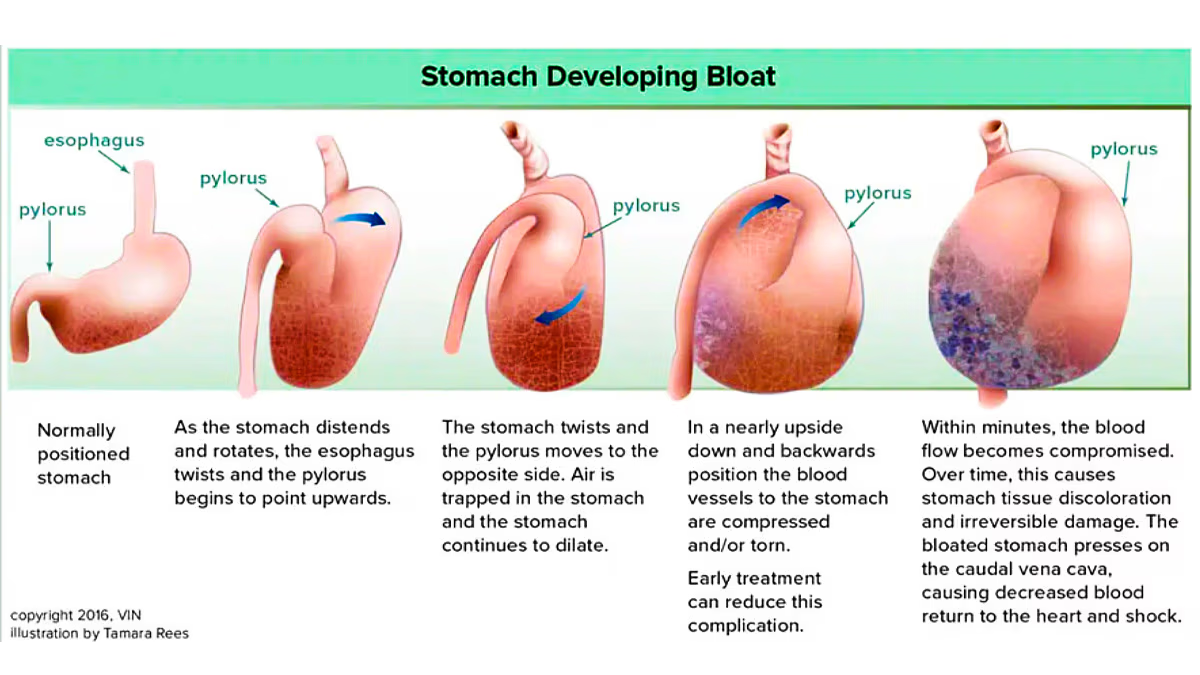
GDV is a two-part problem. First, the dog’s stomach fills with gas, food, or fluid—this is the gastric dilatation component, often called a bloated stomach. GDV occurs when the distended stomach then twists on its axis, a process known as stomach torsion or volvulus. Together, these events trap contents inside and cut off the blood supply to the stomach wall and surrounding organs.
You’ll hear “bloat” used loosely in conversations with other dog owners, but it’s important to distinguish between simple gastric dilation (stomach distension without twisting) and true GDV (with twisting). Simple bloat can sometimes be managed medically under close supervision. A twisted stomach almost always needs surgery to save the dog’s life. GDV occurs as a progression from simple dilation to twisting, which is what makes it so dangerous.
When the stomach twists, it compresses major blood vessels—particularly the caudal vena cava and portal vein. This decreases blood flow returning to the heart, causes low blood pressure, and triggers hypovolemic and obstructive shock. The twisting of the stomach creates restricted circulation, leading to systemic shock, tissue death, organ failure, and respiratory distress. Without intervention, the cascade leads to tissue death, organ failure, and sudden death.
Here’s what makes GDV so dangerous: it develops fast. A dog can be completely normal at 6:00 pm, showing a distended abdomen and unproductive retching by 7:00 pm, and in life-threatening shock by 9:00 pm. I’ve seen a 7-year-old Great Dane go from playing fetch in the yard to being wheeled into my operating room in cardiovascular collapse—all within three hours.
Waiting to “see how it goes” at home is never an option when GDV is suspected.
Pathophysiology: What Happens Inside the Dog?
To appreciate why GDV is such a life-threatening emergency, it helps to understand the internal cascade of events. GDV, or gastric dilatation-volvulus, involves both the distension and twisting of the stomach—a process known as volvulus in dogs. I’ll describe this in practical terms for both owners and primary-care veterinarians.
Gastric Dilatation
The sequence typically begins when the stomach fills with gas, food, or fluid. Under normal circumstances, dogs relieve gastric pressure by burping or moving contents into the small intestine. In GDV, both escape routes become impaired, and pressure rapidly builds inside the stomach.
Volvulus (The Twist)
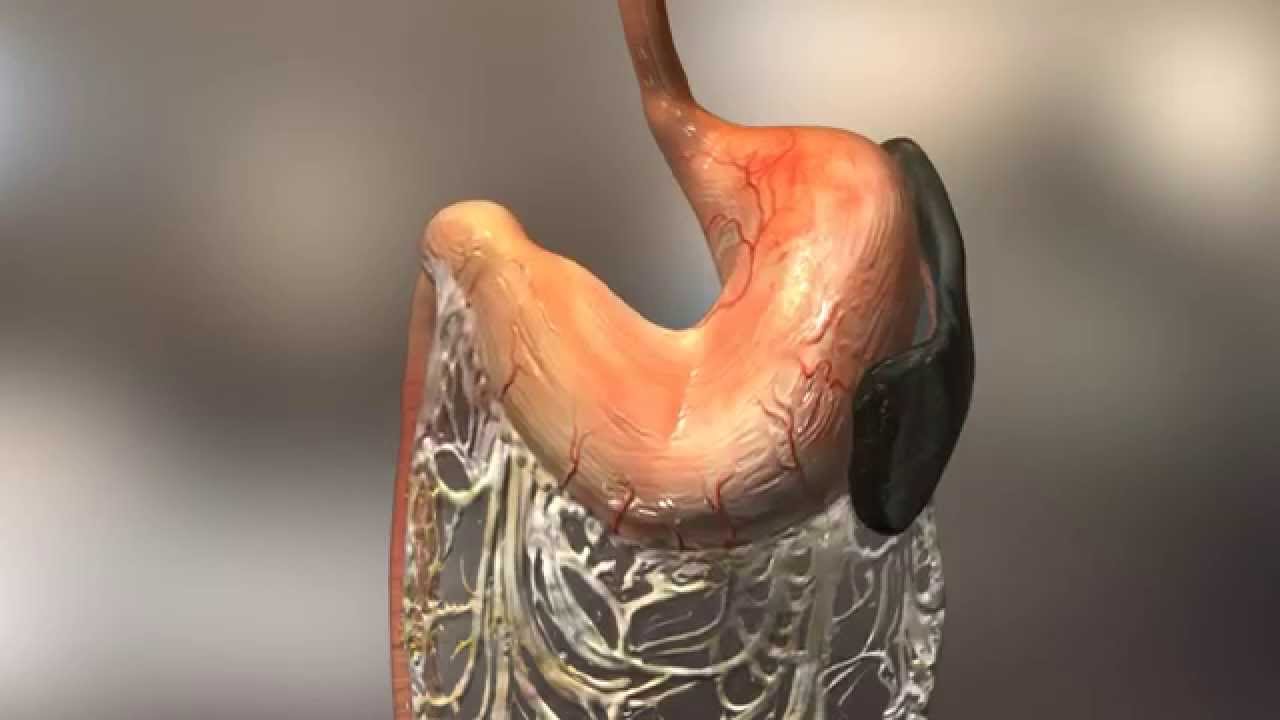
Once distended, the stomach becomes unstable within the abdomen. It rotates—usually 180 to 360 degrees, most often clockwise when viewed from behind the dog. This gastric torsion seals both the esophageal inlet (where food enters) and the pyloric outlet (where food exits to the duodenum), trapping everything inside.
Vascular Compromise
The twist stretches and kinks critical blood vessels, particularly those supplying the stomach wall and spleen. This loss of blood supply causes:
Ischemia of the stomach wall, especially along the greater curvature and fundus
Tissue death (necrosis) within hours if blood flow isn’t restored
Splenic congestion and possible torsion, since the spleen is attached to the stomach
Systemic Effects
As the distended stomach expands, it compresses the caudal vena cava—the large vein returning blood from the abdomen to the heart. This:
Reduces venous return and cardiac output
Drops blood pressure precipitously
Triggers hypovolemic and obstructive shock
The body responds with a surge of stress hormones, rapid heart rate, and redistribution of blood flow away from non-essential organs.
Cardiac Arrhythmias
Toxins and inflammatory mediators released from the compromised stomach wall, combined with poor perfusion and electrolyte shifts, predispose affected dogs to dangerous cardiac arrhythmias. Ventricular premature complexes and ventricular tachycardia commonly appear within 12–48 hours of the initial event and can be fatal if severe.
Potential Complications
Without rapid intervention, GDV can lead to:
Stomach wall necrosis and perforation
Peritonitis (infection of the abdominal cavity)
Splenic torsion requiring splenectomy
Disseminated intravascular coagulation (DIC)
Multi-organ failure
This is why I tell every owner of a large-breed dog: if you see the signs, don’t wait.
Risk Factors and Predisposed Breeds
Despite decades of research in veterinary medicine, there is no single proven cause of GDV. Instead, multiple anatomical, genetic, dietary, and behavioral factors combine to increase risk.
Anatomical and Genetic Factors
| Risk Factor | Why It Matters | |
|---|---|---|
| Large or giant body size | Bigger dogs have larger, more mobile stomachs | |
| Deep chest conformation | A high height-to-width ratio allows greater stomach movement | |
| First-degree relative with GDV history | Suggests inherited predisposition | |
| Advancing age (>5–7 years) | Ligaments may loosen over time |
High Risk Breeds
Based on published data, these dog breeds have the highest GDV incidence:
Great Dane (lifetime risk estimated at 20–40% in some surveys)
Weimaraner
St. Bernard
Irish Setter and Gordon Setter
Standard Poodle
German Shepherd Dog
Doberman Pinscher
Akita
Deep-chested dogs, including mixed breeds
Giant-breed dogs, such as Great Danes, represent the highest-risk population. In my practice, I perform more prophylactic gastropexies on Danes than any other breed.
Management and Dietary Risks
Several feeding patterns have been associated with increased GDV risk:
Eating one large meal per day instead of multiple small meals
Rapid eating (gulping food with aerophagia)
Dry dog foods as the sole diet, especially high-fat formulations
Previous splenectomy
Stress and anxiety around feeding time
Possibly raised food bowls (earlier advice favoring them is now questioned by some studies)
Other Factors
Male dogs appear overrepresented in some series
Underweight dogs may have an increased risk compared to dogs at an ideal body condition
An anxious or highly stressed temperament has been linked to higher GDV rates
Don’t Ignore the Signs in Smaller Dogs
While GDV predominantly affects deep-chested breeds, even small and medium-sized dogs—Basset Hounds, Dachshunds, and mixed breeds—can develop the condition, though rarely. Never dismiss classic signs based on size alone.
Clinical Signs: How GDV Looks at Home
Recognizing early clinical signs and getting to an emergency hospital immediately is the single most important thing owners can do. In my experience, the dogs that survive GDV are almost always the ones whose owners acted fast.
Early Hallmark Signs
Watch for these red flags, especially in at-risk breeds:
Sudden abdominal enlargement (especially behind the ribcage, on the left side)
Repeated unproductive retching or attempts to vomit with little or no material produced
Excessive salivation and drooling
Pacing, restlessness, and inability to get comfortable
Looking at or biting at the abdomen
Progression of Signs
As shock develops, you may notice:
Weakness and reluctance to walk
Fast, shallow breathing
Standing with an arched back
Pale, gray, or muddy-colored gums
Abdominal pain when touched
Severe Signs (Advanced Shock)
These indicate a very narrow window for survival:
Collapse and inability to stand
Very rapid heart rate with weak pulses
Cold extremities
Unresponsiveness or dull mentation
What to Do
Not every distended abdomen indicates GDV—fluid accumulation, obesity, and pregnancy can also cause swelling. However, any large or deep-chested dog with acute distension and retching should be treated as a potential GDV until proven otherwise.
Critical advice:
Never give oral medications, food, or water
Never wait until morning
Transport immediately to the nearest 24-hour emergency veterinary facility
Know the location and phone number of your nearest emergency clinic before you ever need it.
Diagnosis of GDV
Diagnosis is made quickly—usually within minutes—using physical examination and imaging. Time is critical, and experienced emergency veterinary surgeons can often recognize GDV the moment a dog walks through the door.
Physical Examination Findings
On exam, veterinarians look for:
Distended, tight “drum-like” abdomen
Rapid heart rate (tachycardia)
Weak or thready pulses
Pale or gray gums
Prolonged capillary refill time
Signs of cardiovascular shock
Radiographic Confirmation
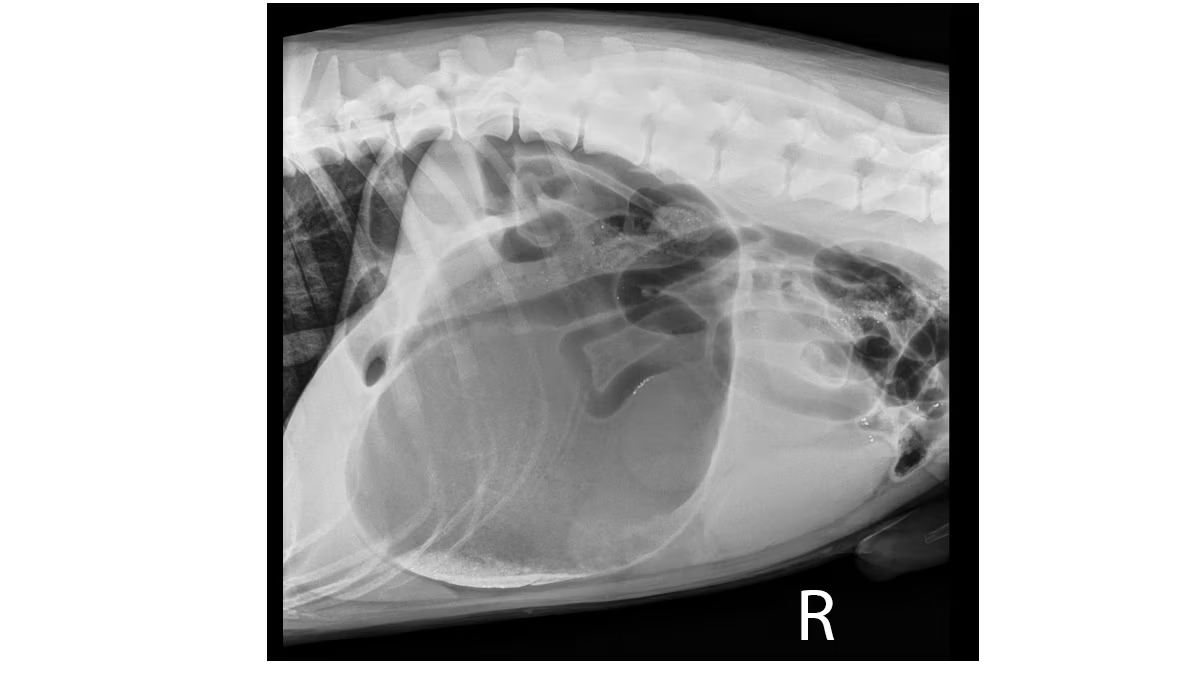
Right-lateral abdominal radiographs are the gold standard to confirm GDV. The characteristic “double bubble” or “Popeye arm” sign on x-ray indicates a twisted stomach with compartmentalized gas—this is diagnostic for volvulus rather than simple dilatation.
Pre-Operative Blood Work
Standard testing includes:
| Test | Purpose |
|---|---|
| Complete blood cell count | Assess red blood cells, white cells, and platelets |
| Serum biochemistry | Evaluate kidney, liver, and electrolyte status |
| Blood lactate | Elevated levels (>6 mmol/L) indicate severe tissue hypoxia |
| Coagulation profile | Screen for DIC risk |
Cardiac Monitoring
ECG or continuous telemetry helps detect ventricular arrhythmias—including ventricular premature complexes and ventricular tachycardia—which are common in the first 24–48 hours and can be life-threatening if not managed.
Additional Assessments
Blood pressure measurement guides fluid resuscitation
Blood gas analysis assesses respiratory and metabolic derangements
Ultrasound is not typically needed for diagnosis, but may be used to evaluate complications post-operatively
Treatment: Emergency Care and Surgery
GDV treatment unfolds in two phases: rapid stabilization and decompression, followed by emergency surgery to correct the twist and prevent recurrence. Prompt medical and surgical intervention is essential—one without the other is rarely sufficient.
Immediate Stabilization
The moment a dog with suspected GDV arrives, the emergency team initiates:
IV fluid therapy through one or more large-bore catheters
Aggressive crystalloid resuscitation to restore blood pressure and perfusion
Oxygen supplementation via mask, nasal cannula, or oxygen cage
Potent opioid analgesia for severe abdominal pain
Colloids or blood transfusion if shock is profound
Gastric Decompression
Relieving pressure inside the stomach is urgent:
Orogastric (stomach tube) passage under sedation if possible—this releases gas and fluid
Percutaneous trocar decompression through the abdominal wall if the tube cannot be passed
Many cases require both approaches. I’ve seen dogs improve dramatically within minutes of successful decompression as venous return to the heart is restored.
Supportive Medications
Broad-spectrum IV antibiotics to address bacterial translocation from the damaged gastrointestinal tract
Lidocaine constant rate infusion for significant cardiac arrhythmias prior to and during surgery
Anti-nausea and prokinetic medications as needed
The Surgical Procedure
Once the dog is stable enough for general anesthesia, surgery proceeds:
Midline abdominal incision from the xiphoid to the caudal abdomen
De-rotation of the stomach to its normal position
Assessment of gastric and splenic viability—non-viable tissue appears gray, black, or fails to bleed when incised
Partial gastrectomy if stomach wall necrosis is present (surgery requiring removal of dead tissue)
Splenectomy if the spleen has lost its blood supply, requiring removal
Permanent gastropexy to anchor the stomach to the right body wall
Gastropexy Techniques
Several methods exist for the surgical procedure of gastropexy:
Incisional gastropexy (most common): suturing the stomach to the abdominal wall through matching incisions
Belt-loop gastropexy
Circumcostal gastropexy
Laparoscopic-assisted gastropexy (used primarily for prophylactic cases)
Gastropexy dramatically reduces GDV recurrence, lowering the risk of future gastric volvulus from over 50% without it to under 5% with it.
Timing and Duration
Surgery is performed as soon as the patient is stabilized—usually within 1–2 hours of arrival
Anesthesia duration typically ranges from 1.5 to 3 hours, depending on complexity
Delay beyond initial stabilization increases the mortality rate
Cost Considerations
GDV surgery is a costly surgery that varies widely by region and case severity. Owners should expect mid to high four-figure costs (USD), potentially higher if intensive care, blood transfusion, or extended hospitalization is required. Despite the expense, prompt treatment offers the best chance for survival.
Postoperative Care and Outcomes
The initial 24–72 hours following Gastric Dilatation-Volvulus (GDV) surgery are the most critical, and dogs require hospitalization with intensive monitoring during this period.
A primary challenge in GDV management is not the surgery itself, but the complications that arise post-correction, including low blood pressure, hemorrhage, and cardiac arrhythmias.
- Ischemia-Reperfusion Injury: When blood flow is restored to tissues that were previously deprived of oxygen (ischemic), a surge of reactive oxygen species is released. This can trigger a cascade of secondary problems, including Systemic Inflammatory Response Syndrome (SIRS), acute kidney injury, and life-threatening ventricular arrhythmias.
- Arrhythmia Risk: The highest-risk period for developing arrhythmias is often 12–36 hours post-surgery, a time when the patient might otherwise appear to be improving.
This is why continuous post-operative electrocardiogram (ECG) monitoring is a non-negotiable standard of care in GDV cases. The danger does not pass once the stomach is derotated and a gastropexy is performed.
A technically successful surgery is only the first step. Vigilant post-operative monitoring is what ultimately determines a successful outcome.
Standard Postoperative Care
Affected dogs receive:
Continuous or frequent ECG monitoring for cardiac arrhythmias
Blood pressure checks every 2–4 hours initially
Serial lactate and electrolyte measurements
Ongoing IV fluid therapy
Injectable pain medications
Anti-nausea and prokinetic medications
Antacid medications
Antibiotic medications
Intravenous fluids until oral intake resumes
Common Complications
| Complication | Timeframe | Management |
|---|---|---|
| Ventricular arrhythmias | 12-36 hours post-op | Lidocaine CRI if hemodynamically significant |
| Low blood pressure | First 24 hours | Continued fluid resuscitation, vasopressors if needed |
| Gastric Ileus | 24-72 hours | NPO, prokinetics, gradual feeding |
| Infection/peritonitis | Variable | Antibiotics. Possible re-exploration |
| DIC | First 48 hours | Aggressive supportive care, plasma transfusion |
Most arrhythmias are self-limiting, but significant runs of ventricular tachycardia require anti-arrhythmic therapy and close monitoring.
Return to Feeding
Dogs usually begin:
Small amounts of oral water within 12–24 hours once vomiting is controlled
Bland diet in small portions as gut motility returns
Gradual progression to normal feeding over several days
Hospitalization Duration
Uncomplicated cases: 2–4 days
Cases with gastric necrosis, peritonitis, or organ compromise: 5–7+ days
Survival Statistics
Factors influencing survival include:
Early referral and prompt treatment: Survival often exceeds 80–90%
Extensive stomach necrosis or perforation: Survival drops to 50–70%
Splenic torsion requiring splenectomy: Moderate decrease in survival
Persistently elevated lactate despite fluid therapy: Poor prognostic indicator
The mortality rate for dogs treated surgically ranges from approximately 15–33% overall, with considerable variation based on case severity and timing of intervention.
Home Care Instructions
After discharge, owners should:
Restrict activity for 2–3 weeks
Monitor the incision daily for swelling, discharge, or opening
Administer prescribed pain medications as directed
Gradually return to a normal diet over 5–7 days
Contact the veterinarian immediately for vomiting, lethargy, abdominal pain, or incision problems
Prevention: Reducing the Risk of GDV
While GDV cannot be prevented in every case, owners of at-risk breeds can substantially reduce risk through management changes and elective surgery. As a surgeon who has treated hundreds of GDV cases, I believe prevention is where we can make the biggest difference.
Prophylactic Gastropexy
This elective surgical procedure attaches the stomach to the right body wall before any emergency occurs. Key points:
Usually recommended for high-risk breeds around 6–18 months of age
Often performed at the time of spaying or neutering
Can be done via traditional open surgery or minimally invasive techniques (laparoscopic-assisted gastropexy)
Reduces the lifetime risk of life-threatening volvulus to under 5% versus 30–40% in some giant-breed populations without surgery
Prophylactic gastropexy does not completely prevent simple bloat (gastric dilation without twisting), but it dramatically reduces the chance of life-threatening complications from volvulus.
Feeding Strategies
| Recommendation | Rationale |
|---|---|
| Offer 2-3 smaller meals per day | Reduces gastric distension |
| Avoid one large daily meal | Large meals increase stomach filling and mobility |
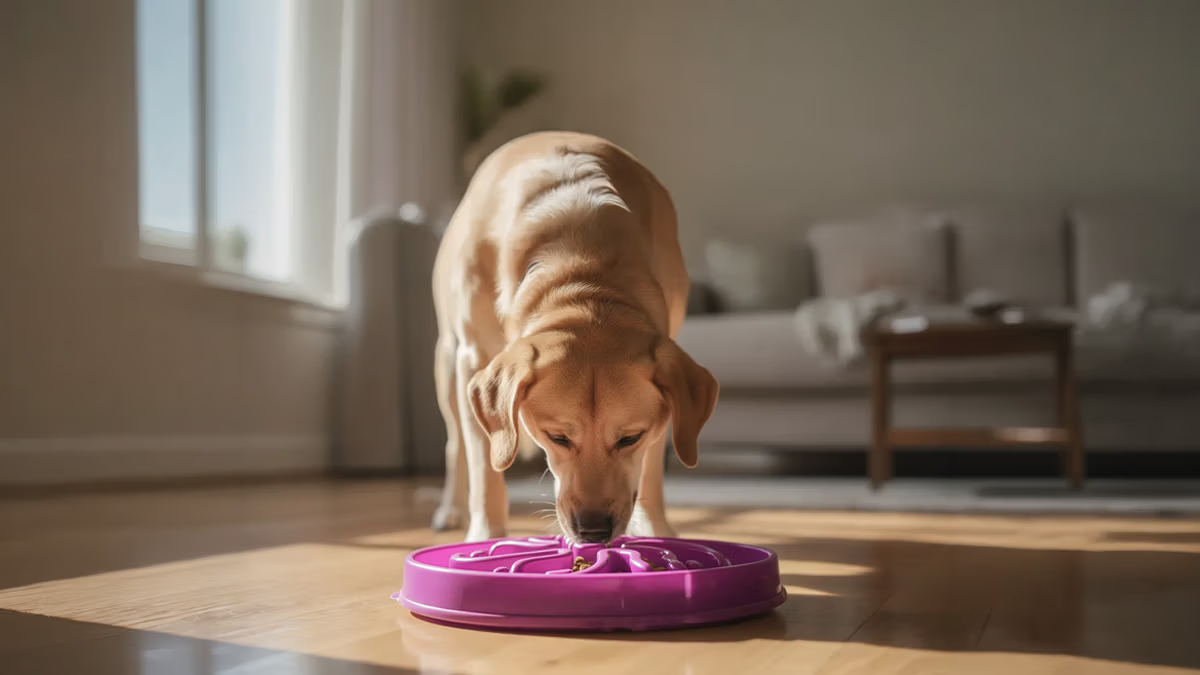
| Use slow-feeder bowls or puzzle feeders | Discourages rapid eating and aerophagia |
| Avoid overfeeding | Prevent extreme stomach fills |
Activity Management
Avoid intense exercise, rough play, or car rides for at least 1–2 hours after meals
Prevent sudden large water intake immediately after strenuous exercise
Keep post-meal activity calm and low-key
Raised Food Bowls: Current Understanding
Earlier advice supporting the use of raised food bowls for dogs has been questioned. Some studies suggest a possible increased risk of GDV with elevated feeding stations. Current recommendation: use ground-level bowls unless a specific medical condition (like megaesophagus) requires elevation.
Stress Reduction
Minimize major environmental changes where possible
Feed dogs separately if there’s food competition
Consult a veterinarian about behavior support for dogs with known anxiety or high-stress temperament
Have the Conversation Early
If you own a Great Dane, Weimaraner, St. Bernard, German Shepherd, or other high-risk breed, discuss prophylactic gastropexy with your primary veterinarian or a board-certified small animal surgeon well before your dog reaches middle age. For very high-risk breeds, many veterinary surgeons—myself included—strongly recommend this procedure.
FAQ
Is GDV in dogs the same as simple bloat?
“Bloat” is a general term for stomach distension that may or may not include twisting. Simple gastric dilation without volvulus can sometimes be managed medically under close veterinary supervision—though it still requires prompt evaluation. GDV specifically means dilatation plus volvulus occurs together, which cuts off blood supply to the stomach wall and almost always requires emergency surgery. The distinction matters because treatment and prognosis differ significantly.
How quickly do I need to get my dog to a vet if I suspect GDV?
Leave immediately for the nearest emergency clinic. Even a 30–60 minute delay can significantly worsen shock, increase stomach damage, and lower chances of survival. GDV is one of the few conditions where the phrase “every minute counts” is literally true. Have your emergency clinic’s address saved in your phone before you ever need it.
Can a dog get GDV again after having surgery?
Once a proper gastropexy has been performed, GDV recurrence is rare—typically under 5%. However, occasional episodes of non-twisting bloat or gas distension can still occur and should always be checked promptly. Dogs without gastropexy have much higher recurrence rates, which is why gastropexy is considered essential during any GDV surgery.
Is prophylactic gastropexy safe, and does it affect my dog’s quality of life?
In experienced hands, complication rates for prophylactic gastropexy are low. Laparoscopic-assisted procedures generally allow faster recovery—often 7–10 days of restricted activity versus 2–3 weeks for open surgery. Once healed, dogs live completely normal lives with no dietary or exercise restrictions beyond standard care. The stomach remains in its normal position and functions normally.
Should every large-breed puppy have a prophylactic gastropexy?
Decisions should be individualized based on breed, family history, chest conformation, and owner resources. For very high-risk breeds such as Great Danes and Weimaraners, many surgeons—including me—strongly recommend prophylactic gastropexy. For moderate-risk breeds, it’s an option to discuss with your veterinarian rather than an absolute requirement. The conversation should happen early, ideally when planning spay or neuter surgery.