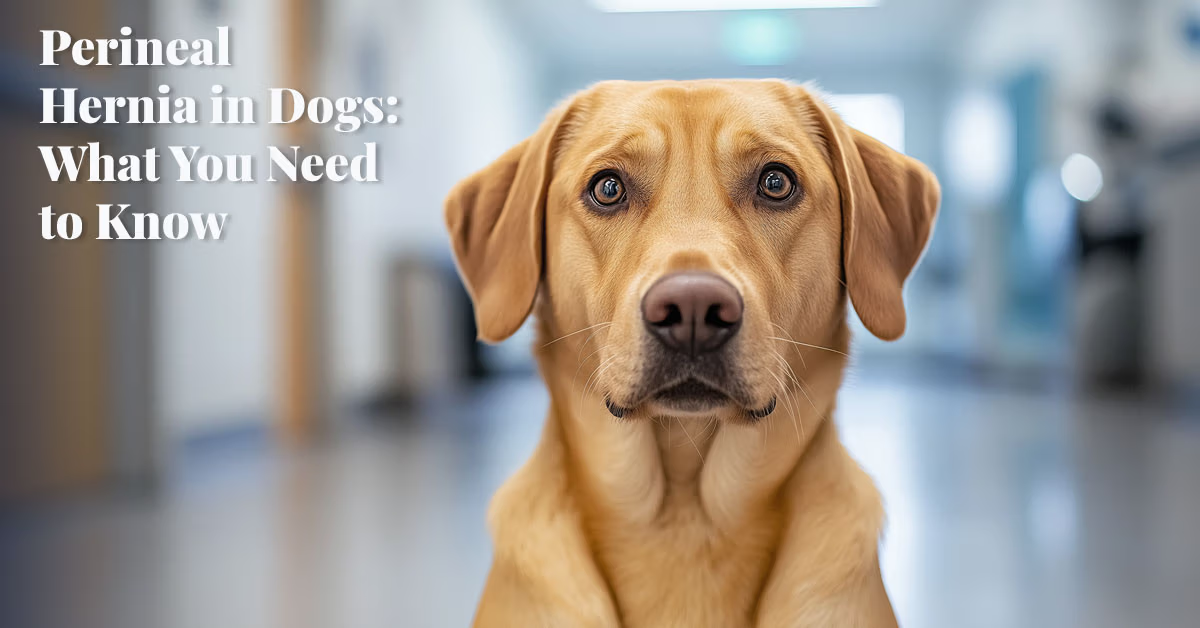
Perineal Hernia in Dogs: Signs, Surgery, & Recovery
Introduction This comprehensive guide covers the causes, diagnosis, treatment options, prognosis, and prevention of perineal

Introduction This comprehensive guide covers the causes, diagnosis, treatment options, prognosis, and prevention of perineal
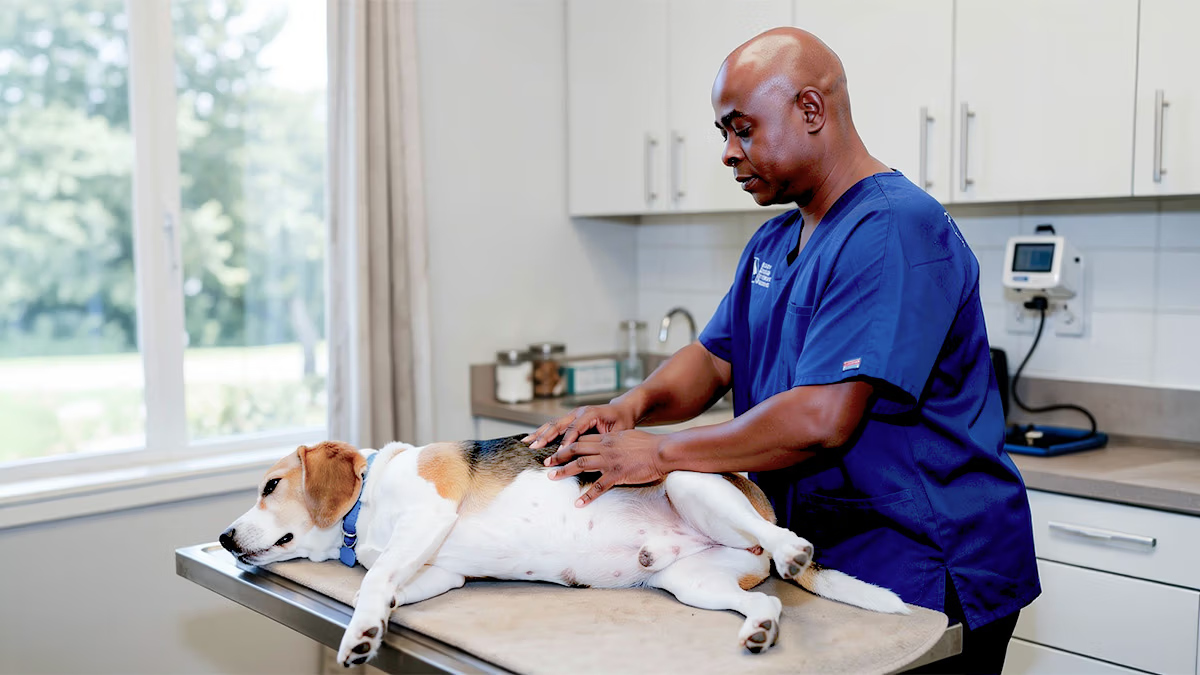
Urgent Overview: What Owners Should Do Right Now If you suspect your dog has a
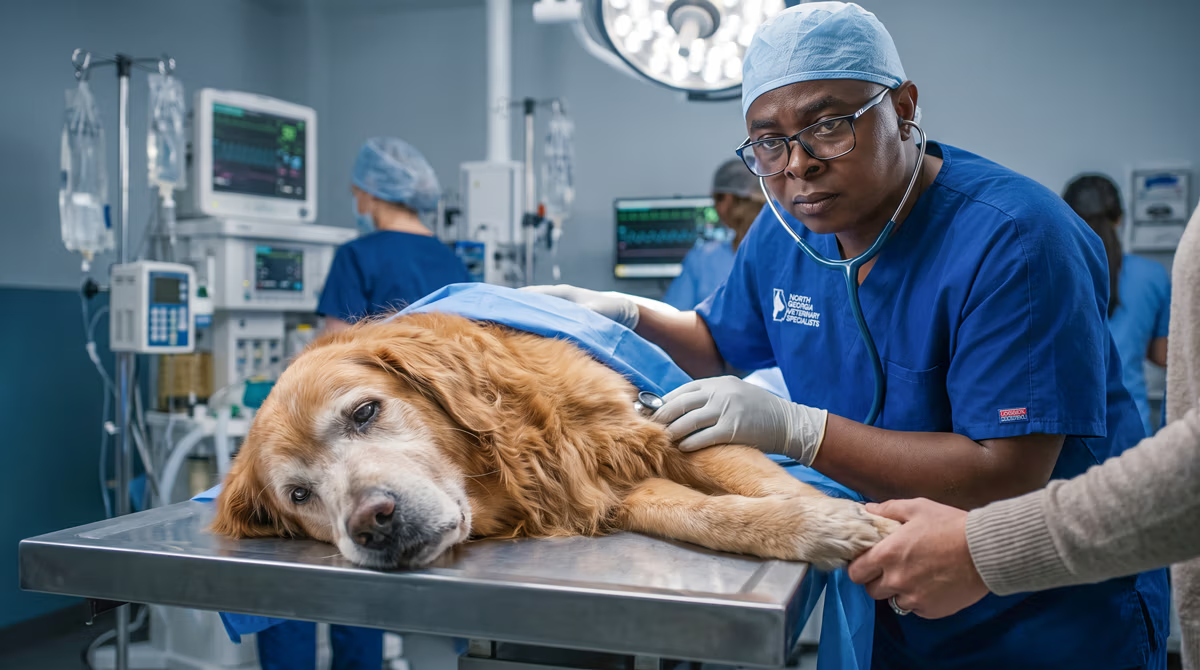
Key Takeaways Hemoabdomen is a life-threatening emergency where minutes to hours matter. Free blood accumulates
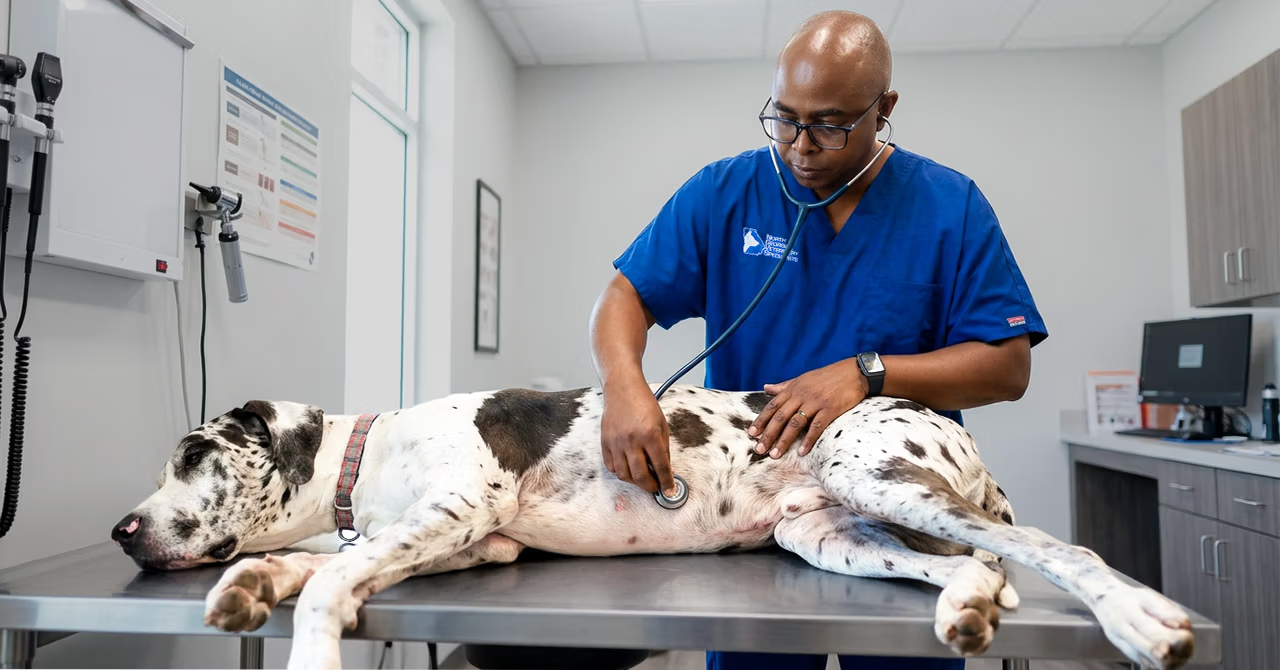
Introduction This article provides a comprehensive overview of gastric dilatation-volvulus (GDV) in dogs, including causes,
Fast facts for worried dog owners If your veterinarian has just mentioned “laryngeal paralysis” or
Quick Facts for Pet Owners Chylothorax is a rare but serious condition in dogs and
Key Takeaways Degenerative disc disease in dogs is the same condition most owners hear called
Canine episioplasty is a surgical procedure that corrects anatomical abnormalities in female dogs, particularly a
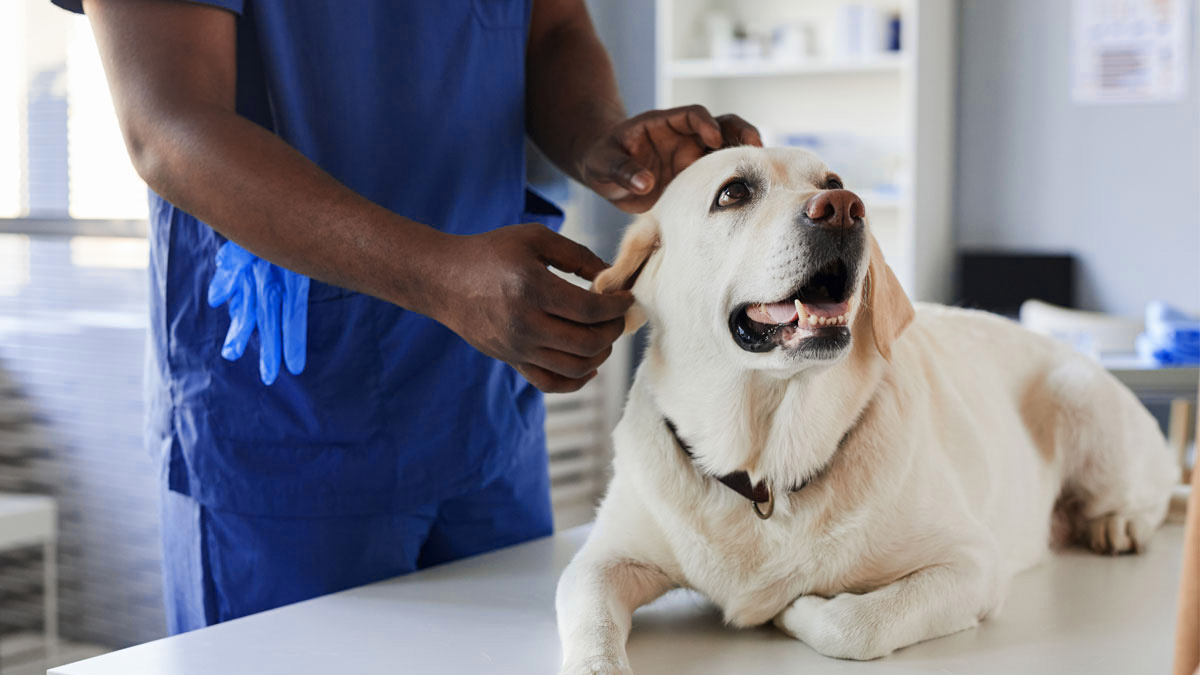
Are you facing a cranial cruciate ligament (CCL) injury or rupture in your dog? Tibial
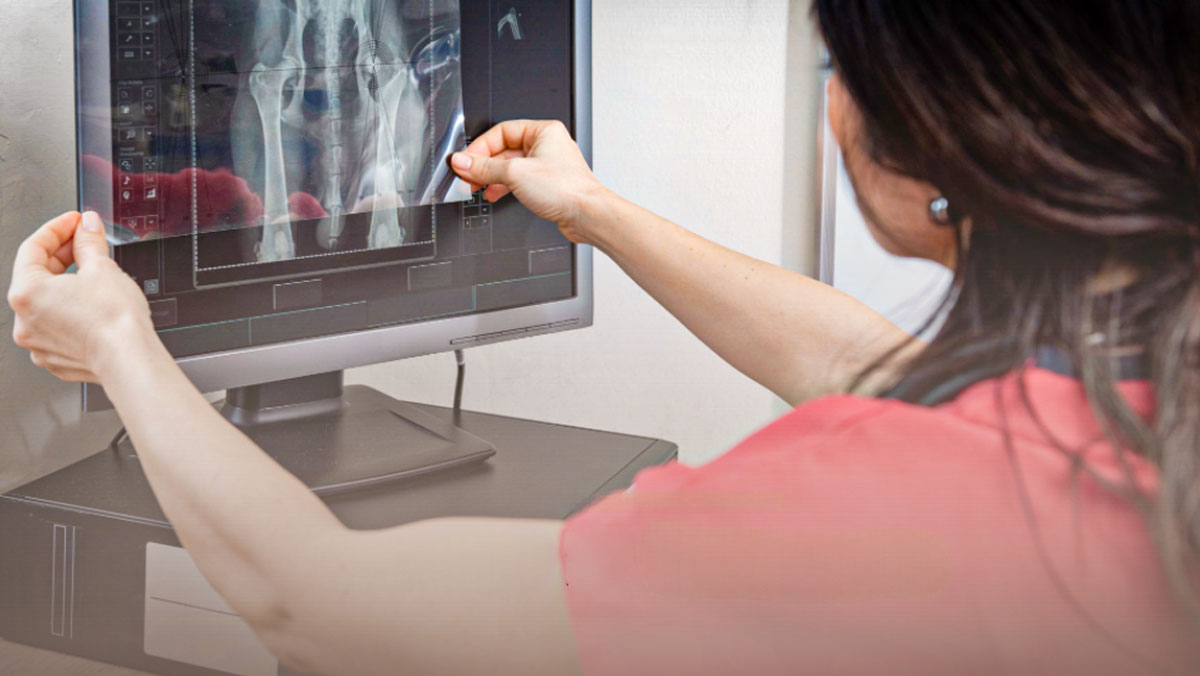
Hip dysplasia is the most common developmental orthopedic disease affecting a dog’s hip joint.

Introduction Post-operative care is critical for comfort, safety, and recuperation after surgery. This guide is

When it comes to your pet’s health, you want the best care possible. That’s why
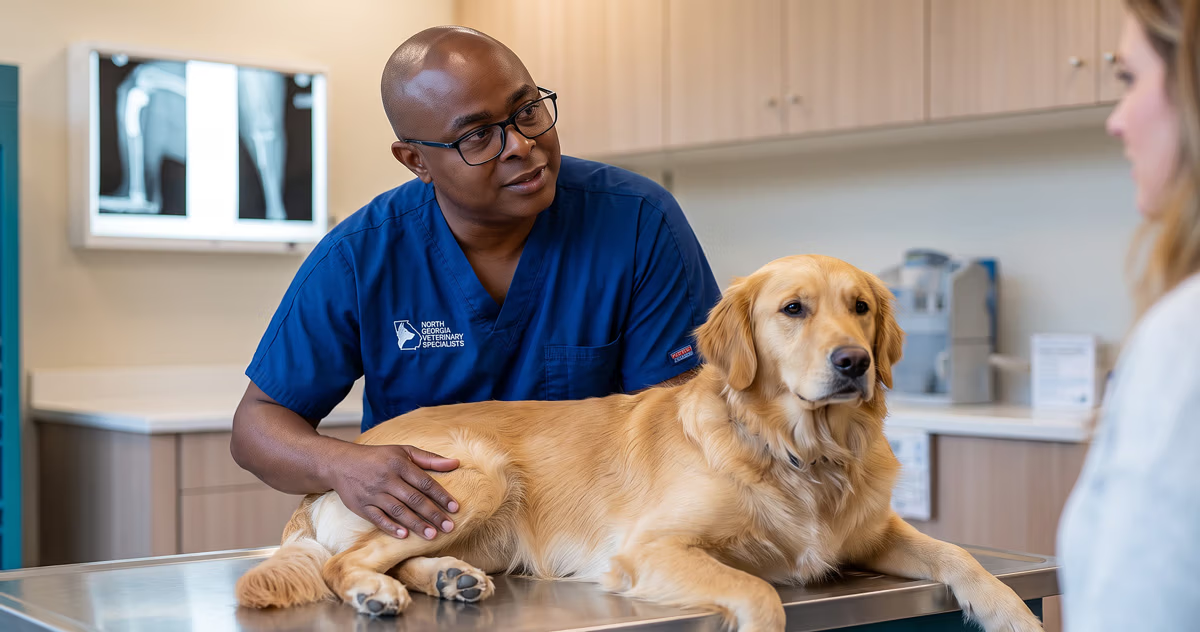
Surgery can be a stressful experience for pet owners, but proper preparation can help make
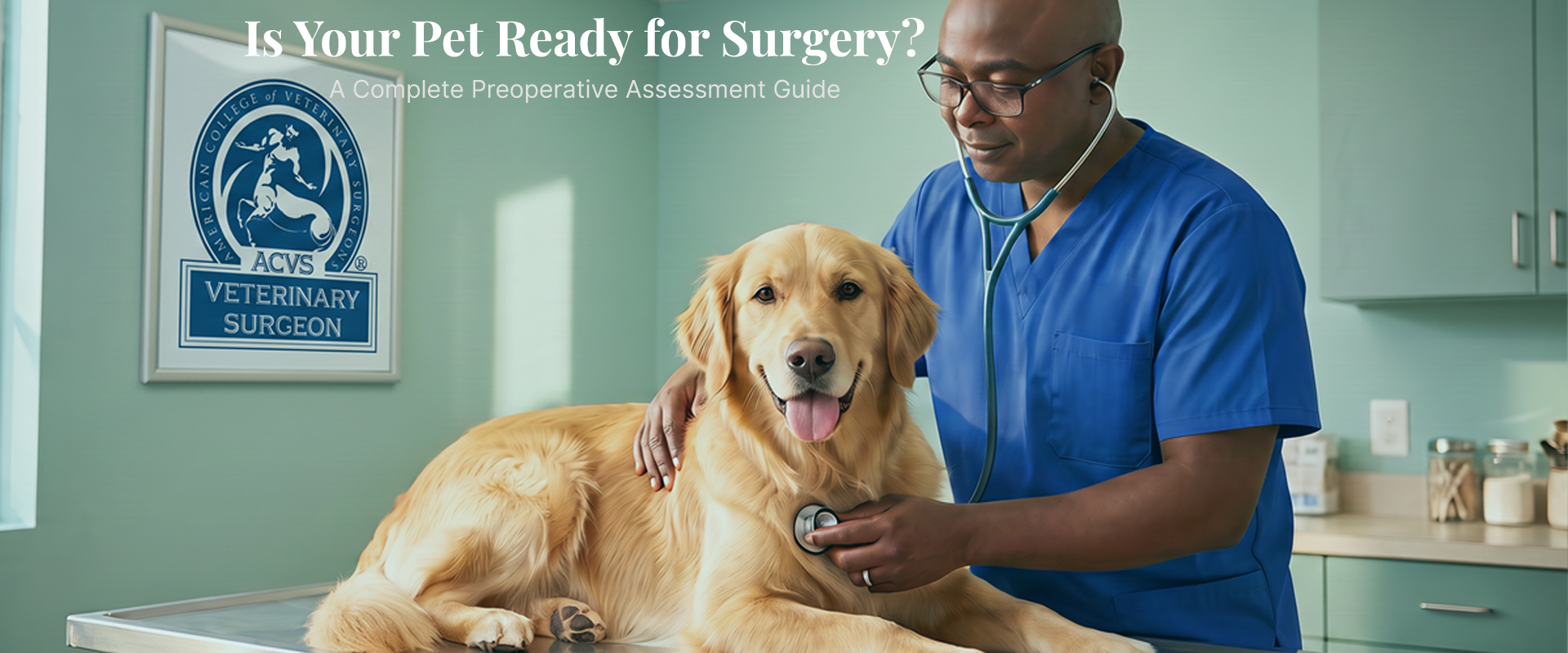
Why preoperative assessment is important? Veterinary patients presented for surgical procedures must have a preoperative
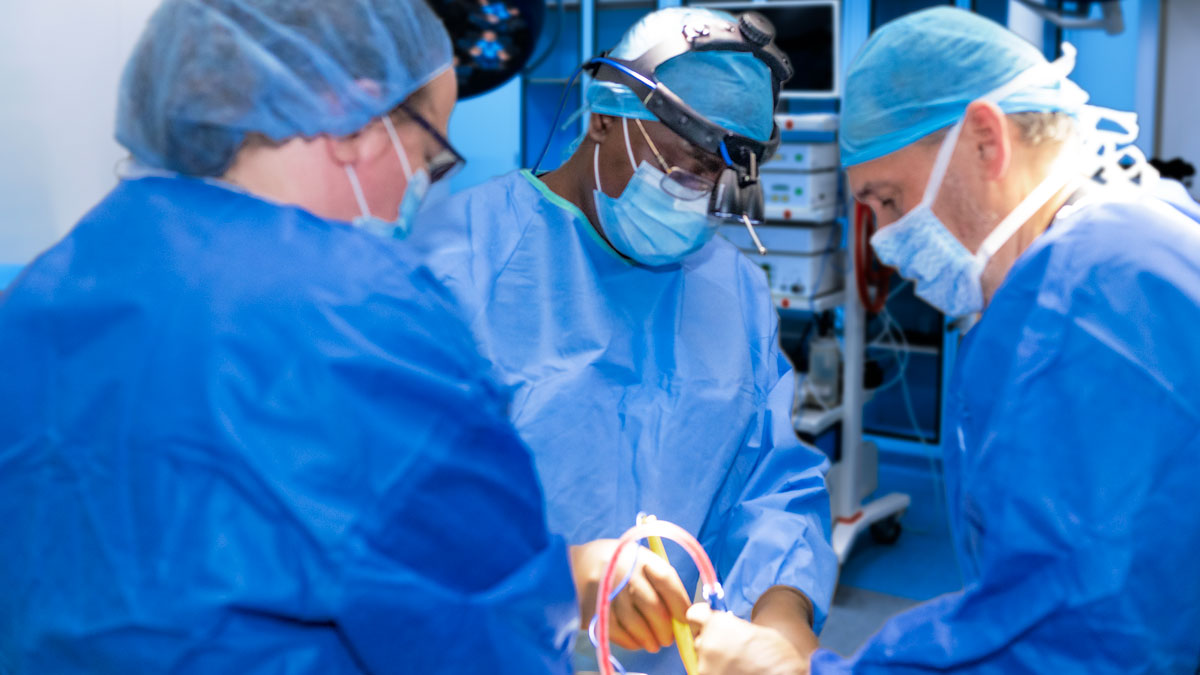
This article covers what veterinary emergency surgery is, when it is needed, common procedures, who




Why preoperative assessment is important? Veterinary patients presented for surgical procedures must have a preoperative medical assessment before being taken to surgery. This complete presurgical evaluation of surgical patients is not only for their presenting complaints, diseases, or injuries, but also for their suitability as candidates for anesthesia and the proposed surgical procedure. It indicates
This article covers what veterinary emergency surgery is, when it is needed, common procedures, who performs them, costs, and how to prepare as a pet owner. It is intended for pet owners seeking information about emergency surgery for their pets, providing guidance on what to expect and how to prepare for urgent situations. Although it
Key Takeaways Hemoabdomen is a life-threatening emergency where minutes to hours matter. Free blood accumulates in the abdominal cavity, most often from the spleen or liver in middle-aged to older dogs. The most common cause of acute hemoabdomen in dogs is tumor rupture, particularly rupture of a splenic mass such as splenic hemangiosarcoma. Traumatic hemoabdomen