



Picture of Dr. Abimbola Oshin

Veterinary Emergency Surgery

This article covers what veterinary emergency surgery is, when it is needed, common procedures, who performs them, costs, and how to prepare as a pet owner. It is intended for pet owners seeking information about emergency surgery for their pets, providing guidance on what to expect and how to prepare for urgent situations.

Although it might be ideal to classify any surgical procedure as an emergency simply because a client believes it to be, this is not the case. There are accepted criteria for situations warranting emergency surgery.

What is Veterinary Emergency Surgery?

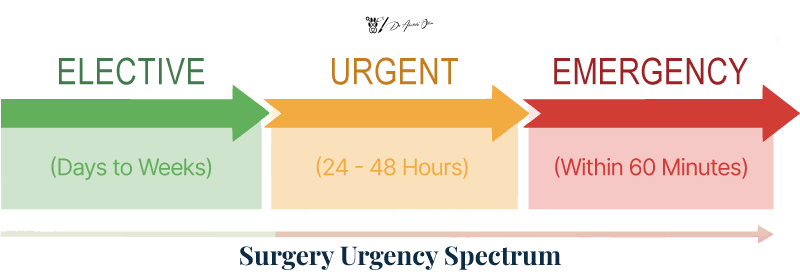
Surgical procedures can be classified by how quickly they need to happen – or put another way, they’re either elective, urgent, or a straight-out emergency.

Elective surgeries are scheduled at a time that suits everyone involved- patient, client, and surgeon alike- without affecting the outcome or the patient’s long-term health. The delay can be anything from a day or two to weeks or months down the line from when the decision is made to go ahead with surgery. They’re not usually life-or-death situations. Examples include prophylactic procedures, reconstructive procedures, and procedures to treat small, benign tumors.

Urgent surgery is usually done within a couple of days of getting the diagnosis. You don’t have to rush it, but you do want to make sure everyone’s on board and prepared for the best possible outcome. There’s time to get informed consent, chat through the pros & cons with the client, get the family on board, and get finances in place. That said, if you delay too long, you can end up making things worse & affecting the outcome down the line. Most neurosurgical and oncologic procedures fall into this category, along with various other soft-tissue and orthopedic procedures.

On the other hand, emergent or emergency surgery needs to be performed as soon as a surgeon is available. And when I say it needs to happen, I mean it really does. Why would a pet need emergency surgery? Well, it’s usually to save the pet’s life – i.e., they are in a life-threatening situation. The pet’s medical conditions are deteriorating rapidly & could become irreversible at any moment. 

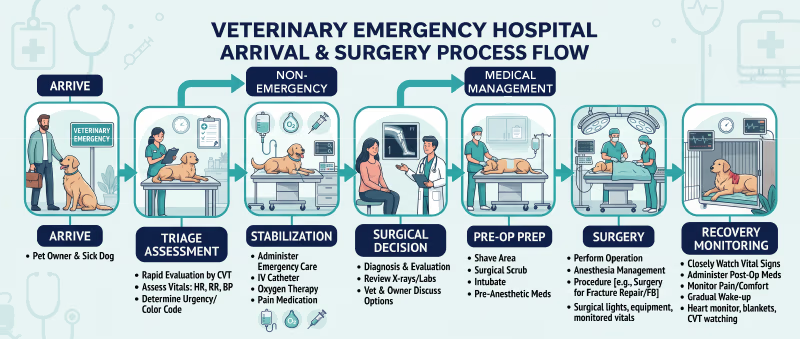
Emergency vets & pet hospitals are open 24/7, providing emergency care seven days a week, including weekends, so a pet’s urgent surgical needs can be addressed quickly. These hospitals are staffed with a highly trained veterinary team that can support both emergency and specialty cases at short notice. Many offer same-day testing and imaging, and some use laparoscopic techniques for certain abdominal problems. They are usually unplanned and can involve some very tough decisions – for that reason, surgeons are on call and will usually be available to go within a couple of hours in most hospitals that deal with emergency surgery. In severe cases where seconds count, surgery may be needed within 60 minutes of arrival. Vets will often stabilize the pet with IV fluids, oxygen therapy, or pain meds as part of treatment before heading into surgery. Most emergency surgeries also require hospitalization afterward for pain management and monitoring, often overnight. As you might expect, emergency surgeries are incredibly emotionally charged – and it takes a lot of tact & experience to handle them with care. Most owners are completely unprepared for the emotional, financial & physical burdens they may face, as well as the uncertainty of the outcome.

When and how can a pet get emergency vet surgery?

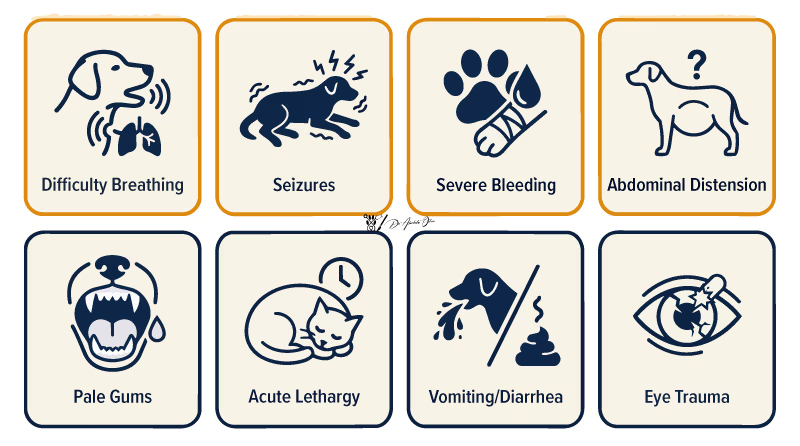
Emergencies can strike at any moment, day or night. 24/7 year-round emergency veterinary clinics and hospitals are standing by to tackle whatever’s going on with your pet. You don’t need to book an appointment in advance – most emergency veterinary facilities are on a walk-in basis, ready to help on short notice. When you do get there, your emergency pet will be rapidly assessed on arrival so the team can prioritize pet emergencies by severity. Signs that warrant an emergency veterinarian visit include difficulty breathing, seizures, severe bleeding, and abdominal distension. Other warning signs include loss of appetite, pale gums, prolonged vomiting, acute lethargy, increased respiratory rate or effort, as well as vomiting, diarrhea, limping, wounds, eye problems, ear infections, or constipation. During regular business hours, most veterinary practices will see walk-in clients who are worried about a potential emergency. But, it is a good idea to give them a heads up that you’re on the way, in case they’re slammed and can’t fit you in – that way, they can send you over to a different practice if need be. Once they take a look, the emergency veterinarian will decide which treatment options are appropriate, including whether surgery is necessary. If the practice cannot provide the required emergency surgery, they’ll refer you to a veterinary specialist. After the visit, the emergency veterinarian may coordinate with your family veterinarian for follow-up and specialized care.

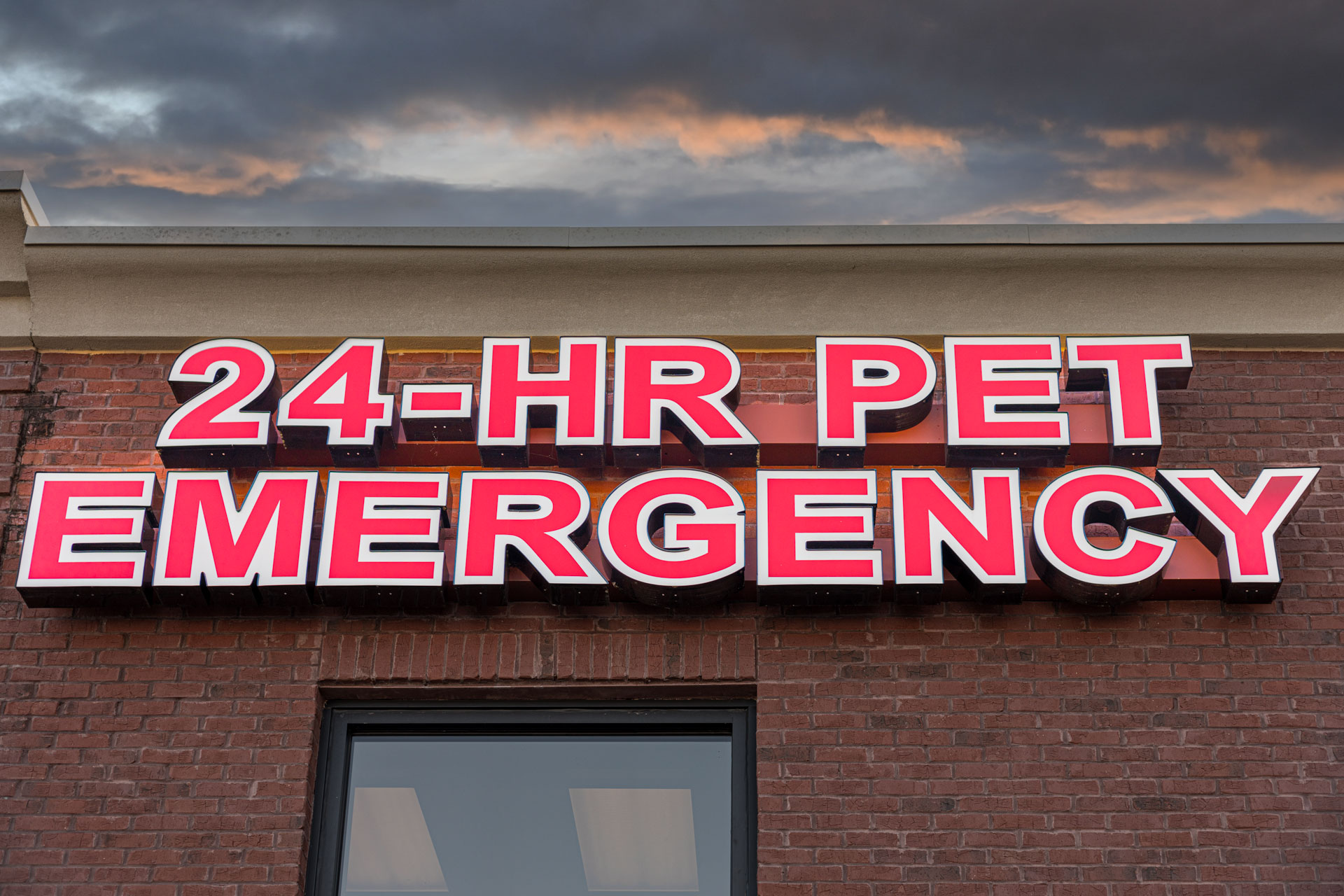
24-hour pet emergency signage

When emergencies occur after regular office hours or on weekends, emergency pet facilities provide after-hours veterinary services, including emergency and specialty pet care. Most veterinary practices will have the contact details of the nearest emergency veterinary practice in their after-hours voice message. A Google search for the term “emergency vet near me” will also turn up a list of nearby emergency veterinary practices. Emergency practices can offer emergency surgical procedures during these hours, if indicated after an assessment of the pet.

What are veterinary emergency surgical procedures?

The most common emergency surgical procedures performed by veterinarians to treat critical conditions seen in pet emergencies include:

Emergency surgery may also be needed for trauma, toxin ingestion, or severe respiratory problems. Warning signs include prolonged vomiting, pale gums, loss of appetite, or acute lethargy.

While the mission in these cases is treatment and return to normality for the pet, a compassionate team may also guide families through humane euthanasia when a beloved companion cannot be saved.

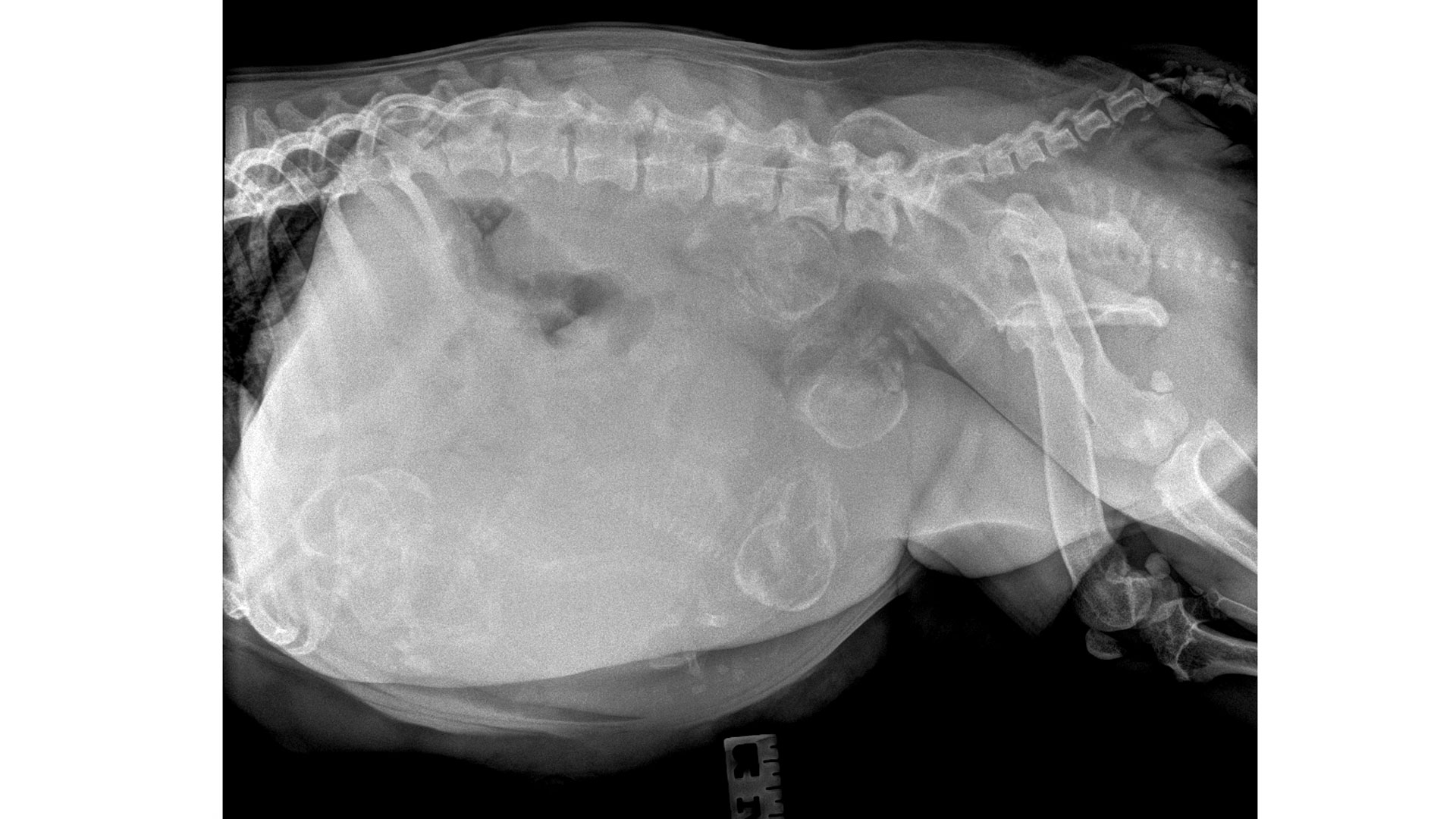
Radiographs of a pregnant dog with a puppy stuck in the birth canal
Lateral radiographic view of a dog's abdominal cavity demonstrating fetal bony structures within the abdominal cavity, with one stuck within the birth (pelvic) canal.
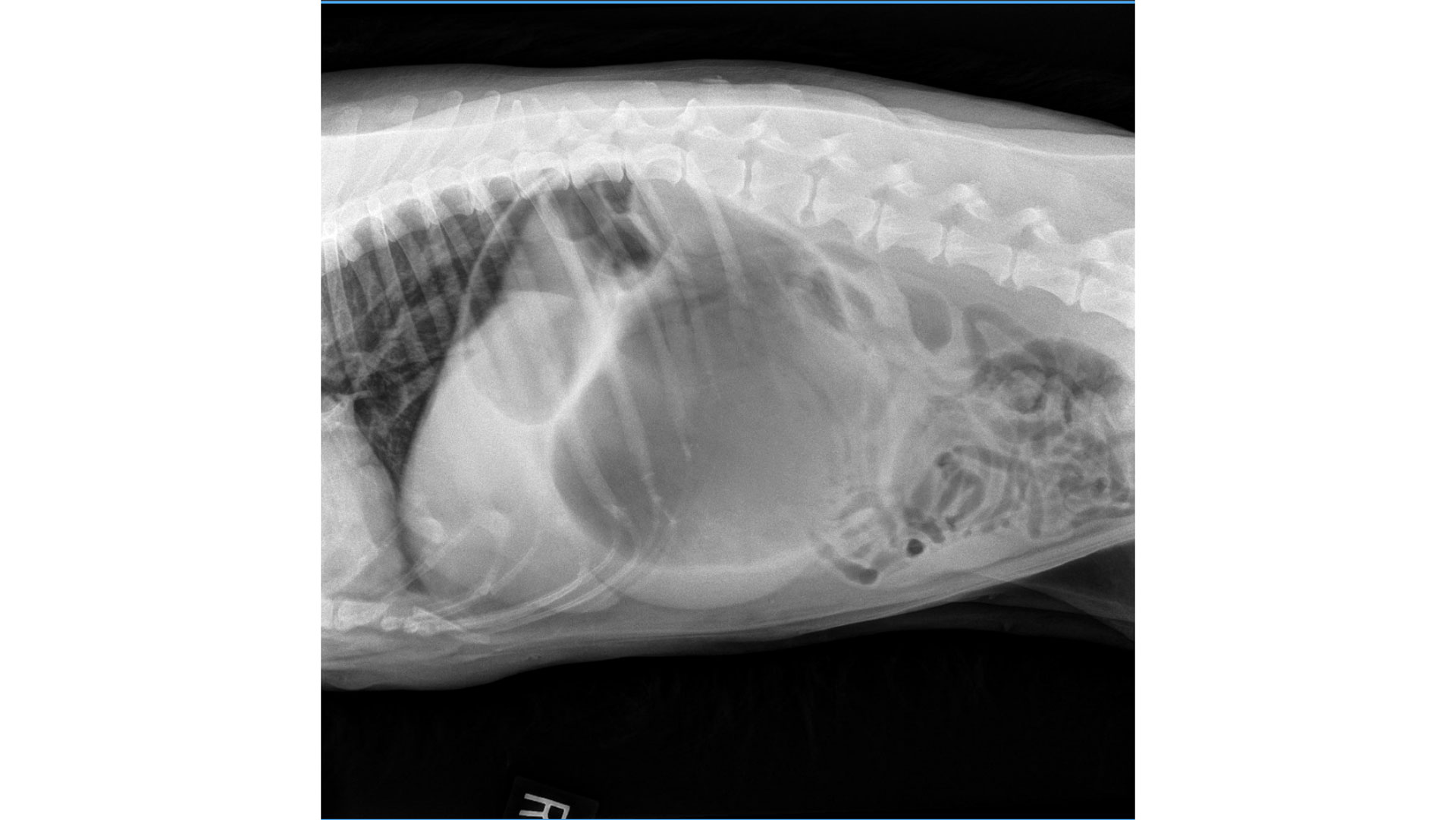
Gastric Dilatation and Volvulus Radiograph.
Right lateral radiographic view of a dog's abdominal cavity demonstrating the classic appearance of GDV in dogs. These have been described as "Smurf's hat", "Boxing Glove", "Popeye's arm", "Double bubble" etc.

Who performs veterinary emergency surgeries?

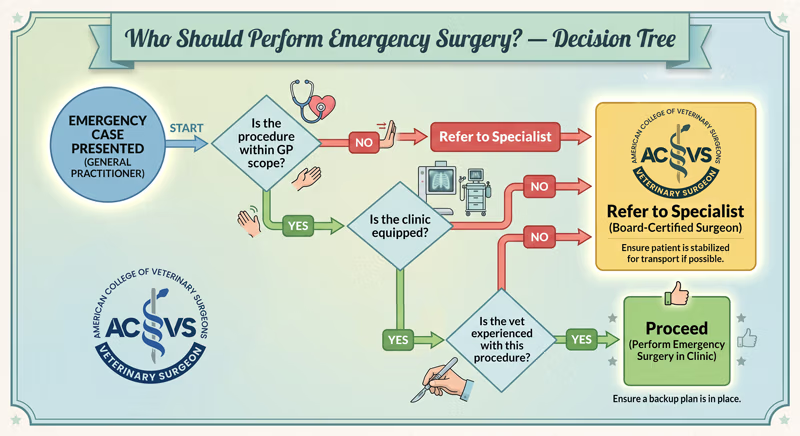
Any veterinarian can legally perform veterinary emergency surgeries. The most important criteria are whether the veterinarian is comfortable performing the procedure and whether the practice is staffed and equipped to perform it, or whether the veterinarian will instead refer the case to a more experienced colleague or a more suitable facility.

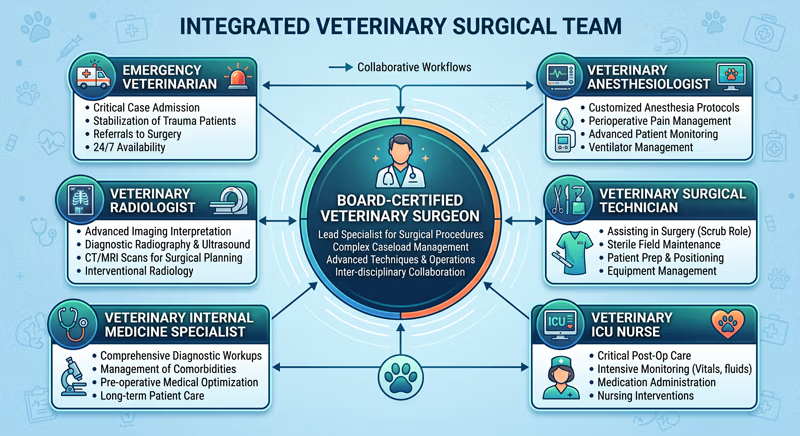
Emergency veterinary clinics and hospitals are dedicated to performing emergency surgeries and have highly trained, compassionate teams that provide critical care for pets with trauma, toxin ingestion, respiratory issues, and other emergencies. The veterinary team may also include specialists in internal medicine, oncology, and neurology as part of broader specialty services.

Veterinary surgery specialists, board-certified by the American College of Veterinary Surgeons, may also support emergency and specialty care for some emergency veterinary practices, helping them handle more advanced procedures with compassionate care to the highest standard.

How much does veterinary emergency surgery cost?

Emergency veterinary surgeries cost more because of the intensive nature of the emergency hospital experience and the costs of operating an emergency veterinary service. Most diagnostic tests that would typically be spread over several days or weeks must be performed within minutes to hours, and treatment decisions often have to be made quickly in critical conditions, sometimes with tests repeated as the patient’s condition may change rapidly. Additional costs may be incurred if a surgeon or surgical team is “called in” to perform emergency surgery after regular hours. Most veterinary practices require a substantial portion of surgical fees to be paid upfront, as clients seeking emergency surgery for their pets often do not have a long-term relationship with the practice and may never return. Also, most veterinary practices do not bill, and the total surgery fee is expected to be paid at the time the pet is discharged from the hospital, or when the pet’s remains are picked up if the surgery does not resolve the problem and results in an adverse outcome. This can usually be a source of friction between clients and emergency veterinary practices. Some centers offer alternative payment options to accommodate different financial capabilities for emergency care.

How can pet owners pay for emergency veterinary surgery?

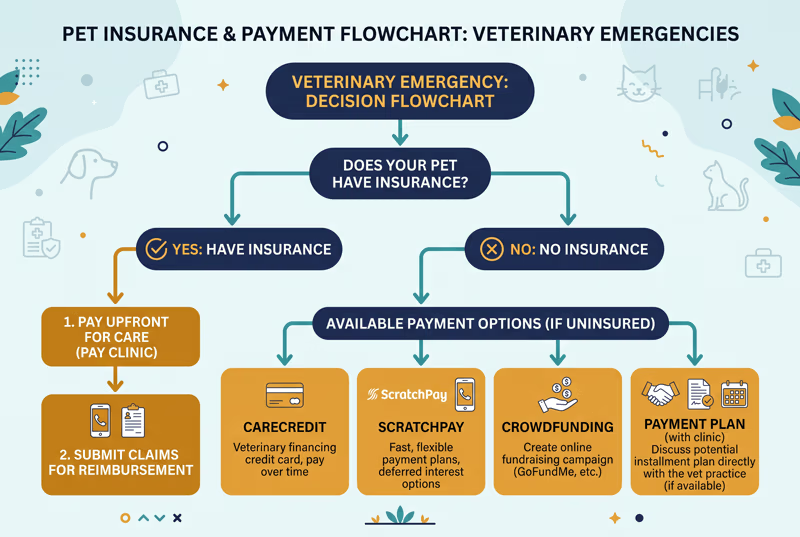
The pet’s owner and many pet parents must pay for veterinary emergency services when the services are rendered. Pet Health Insurance policies cover medical emergencies. However, only about 3.9% of dogs and 1% of cats have health insurance coverage in the United States. Even where a pet has health insurance coverage for surgical emergencies, the pet owner is expected to pay for the surgery at the time of admission and/or discharge. Pet insurance generally is not accepted at the time of the visit, and owners can then submit the bill and required paperwork to the pet health insurance company for possible reimbursement. Third-party payments from credit card providers, including health-specific credit cards and other specialty creditors such as scratch pay, CareCredit, or Wells Fargo, are usually accepted, and some hospitals or a pet hospital may offer alternative financing arrangements depending on the situation. Crowdfunding and charitable organizations can help with emergency veterinary bills, but the bills still have to be paid when the services are rendered in almost all emergency cases, leaving little room for crowdfunding for emergency purposes.

Can a veterinarian treat humans in an emergency?

Finally, most people wonder if veterinarians can perform emergency surgery on humans.  Should veterinarians perform surgery on humans? In general, this is a no, as veterinarians are not licensed to practice on humans, just as human medical practitioners are not licensed to practice on animals. However, can veterinarians (veterinary doctors) perform surgery on humans, and can human doctors perform surgery on pets? It depends on the situation and the procedure. In both cases, the Good Samaritan Law may apply. This law provides legal protection to individuals who render aid to an injured person, provided the Good Samaritan uses “reasonable care” in assisting. In this regard, a veterinary medical practitioner is preferable to any other person without medical experience when no human medical practitioner is available to assist an injured person. It is unlikely that this help will include a major surgical procedure, but it is more likely to involve first aid to prevent further injuries, maintain airways and breathing, and stop bleeding.

Related articles

Dr. Abimbola Oshin in an operating room.

Specialist small Animal Veterinary Surgeon

Thank you for visiting my website and reading my blog. I hope you find it informative.

Bimbo Oshin
My Personal Favorites
Sponsor
Explore
Surgeon holding an older aged Labrador Retriever lying on a grated wet sink in a veterinary treatment area.
Dr. Abimbola Oshin

Canine Laryngeal Paralysis

Fast facts for worried dog owners If your veterinarian has just mentioned “laryngeal paralysis” or you’re researching why your older dog sounds like they’re breathing through a straw, take a breath yourself. You’re in the right place, and this condition—while serious—is manageable with the right approach. Laryngeal paralysis (often called “Lar Par”) is a problem

Read More »
Scroll to Top