
Canine episioplasty is a surgical procedure that corrects anatomical abnormalities in female dogs, particularly a recessed vulva. This article is intended for dog owners and caregivers seeking to understand the causes, treatment, and recovery process for a recessed vulva in female dogs. Addressing this condition promptly can prevent chronic infections and improve your dog’s quality of life. Canine episioplasty is a surgical procedure used to correct a recessed vulva in female dogs. This condition can lead to chronic infections and discomfort for your pet. If your dog is experiencing these symptoms, understanding episioplasty is crucial. This article will explain what canine episioplasty is, how it helps, and what to expect from the procedure.
Key Takeaways
- A recessed vulva can lead to serious health issues in female dogs, including infections and discomfort, and is often linked to breed and body weight.
- Canine episioplasty is a surgical procedure that corrects structural problems related to a recessed vulva. It improves ventilation and reduces infection risks.
- Episioplasty is especially common in breeds such as English Bulldogs, French Bulldogs, Pugs, Shar Peis, and Boston Terriers.
- The success of episioplasty in treating recurrent urinary tract infections is high when adequate skin is removed during the procedure, as removing sufficient skin folds is crucial for resolving dermatitis and urinary issues.
- Post-surgical care is critical for recovery, requiring pain management, activity restriction, and regular monitoring for infection signs to ensure healing.
Recessed Vulva and Excessive Perivulvar Skin Folds
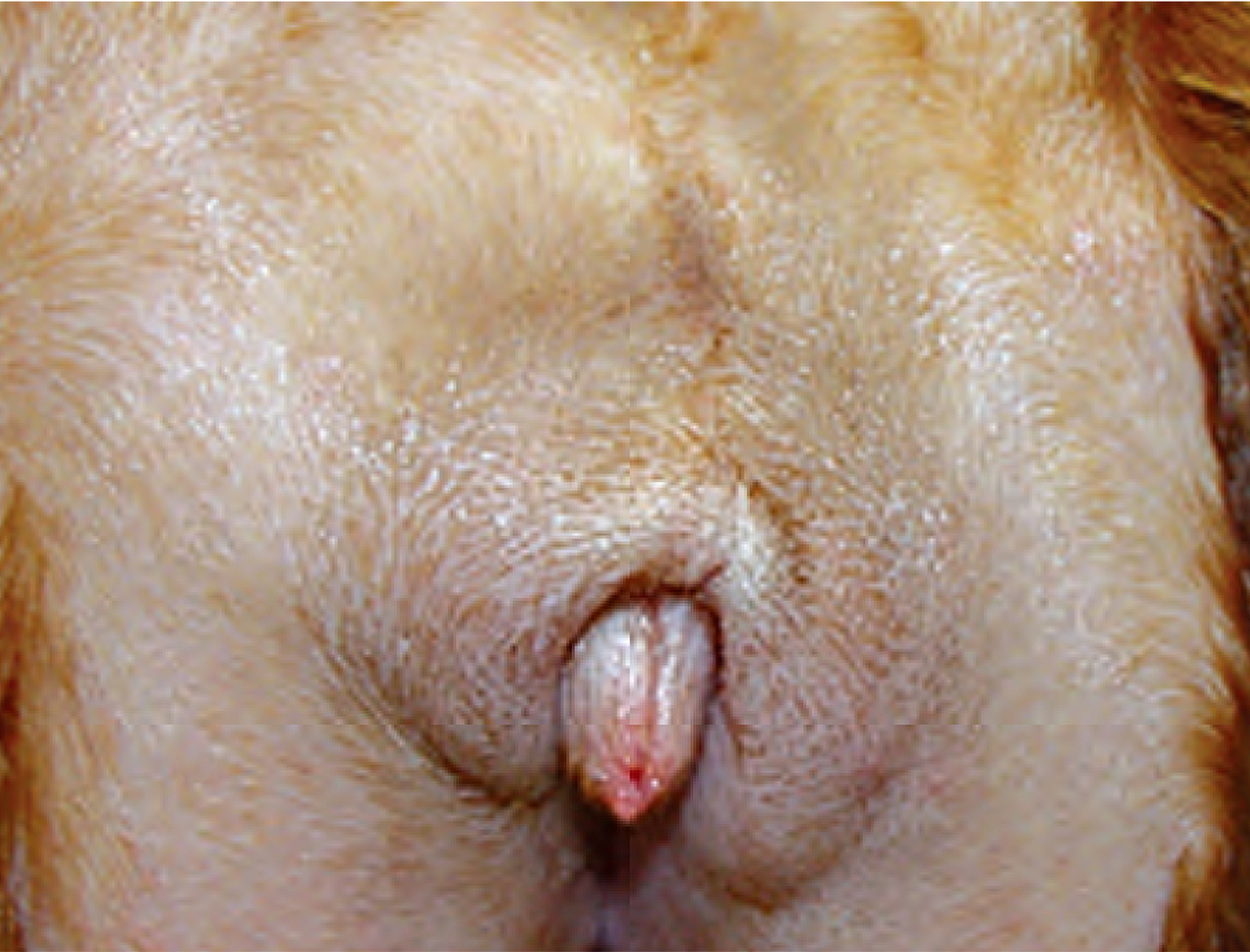
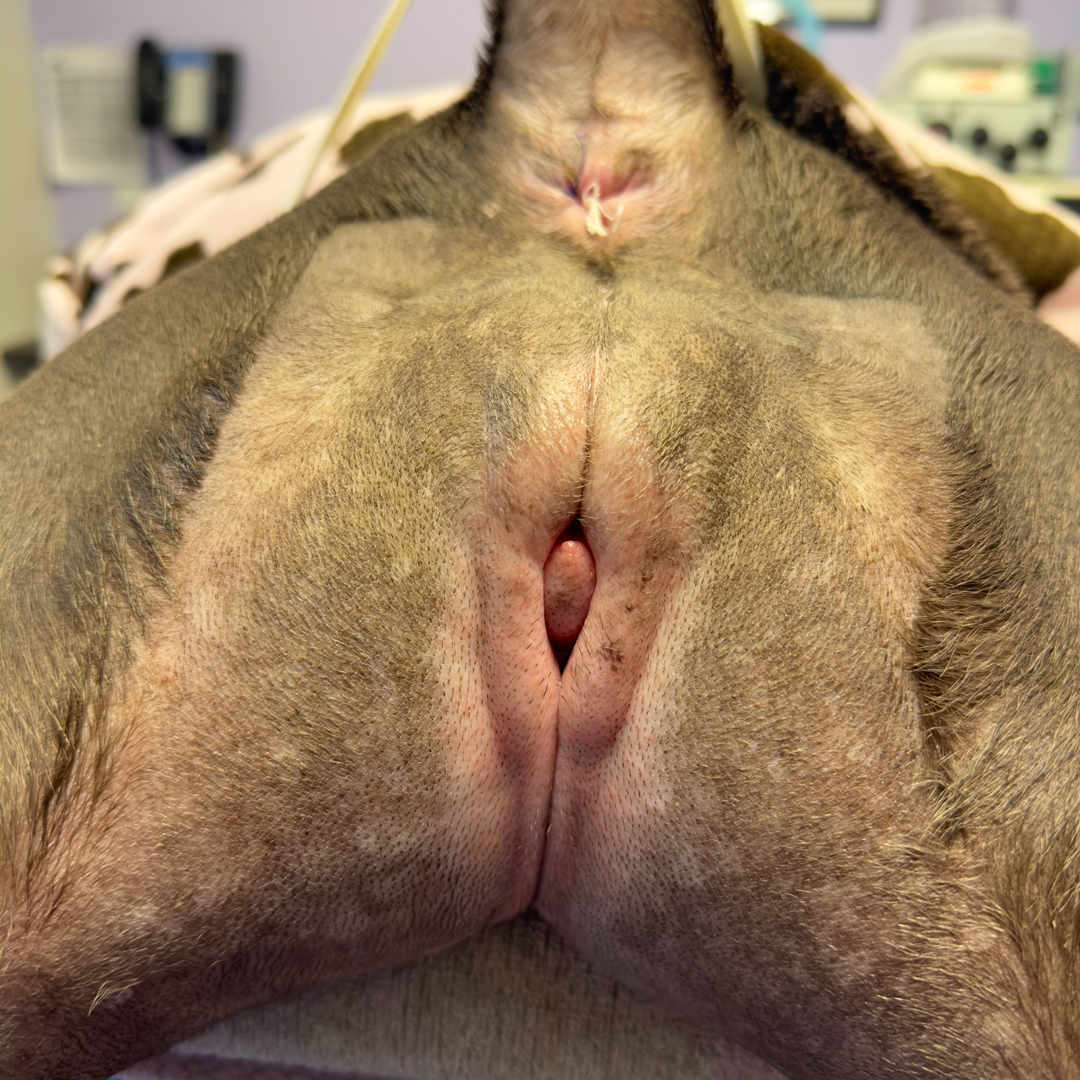
Female dogs may exhibit a conformational defect known as a recessed vulva, distinguished by an excess of skin folds obscuring the vulva. Anatomical abnormalities and structural formation issues, such as excess skin folds or a small vulva, can lead to moisture accumulation and bacterial growth. This condition can result from either, or a combination of, an undeveloped juvenile vulva and superfluous skin folds that have the potential to trap moisture, fostering bacterial growth around the female dog’s urinary tract. Fat hang, which refers to skin and fat folds that hang over the vulva, can trap urine and moisture, increasing the risk of infection. Contrary to previous assumptions, early spaying does not seem to contribute to this issue. If left unmanaged, recessed vulvas in female dogs can lead to various health complications.
The likelihood of developing a recessed vulva can be influenced by breed, size, and weight management. Medium-sized and larger breeds are more prone to it. Overweight dogs are at higher risk for developing excessive skin folds and related complications. Prevention strategies include maintaining optimal body weight through appropriate nutrition and regular physical activity to minimize the risks associated with excessive perivulvar skin formation or unnecessary skin fold development in the area. Maintaining a normal body weight can help prevent the development of excessive skin folds and reduce the need for episioplasty. Clinical signs indicating issues might include inflammation of the perivulvar region (perivulvar dermatitis), vaginitis, recurrent urinary tract infections (UTIs), or loss of bladder control.
When assessing for this abnormality in conformation in female dogs—especially when considering recurrent urinary tract infections—a comprehensive inspection should be performed, focusing on anatomical irregularities present and gauging their progression over time. It is often advised that urinalysis, alongside bacterial culture and antibiotic sensitivity tests, be performed. Urine culture is important for identifying bacterial causes of recurrent UTIs and guiding appropriate treatment. This is due to the tendency toward simultaneous urinary tract infection, potentially involving strains resistant to antibiotics routinely used today, alongside perivulvar dermatitis and vaginitis. These tests are crucial to prevent the emergence of antibiotic-resistant infections. If typical daily cleaning of the perivulva skin and antibiotic therapy fail to clear these persistent or recurrent infections, then procedural options like surgical rectification via episioplasty might become warranted for removing problematic excessive tissue encompassing the genitalia. Veterinarians recommend episioplasty when chronic health issues such as recurrent UTIs and perivulvar dermatitis do not resolve with medical management. Chronic urinary tract infections (UTIs) and perivulvar dermatitis are common conditions treated by episioplasty.
Understanding Canine Episioplasty
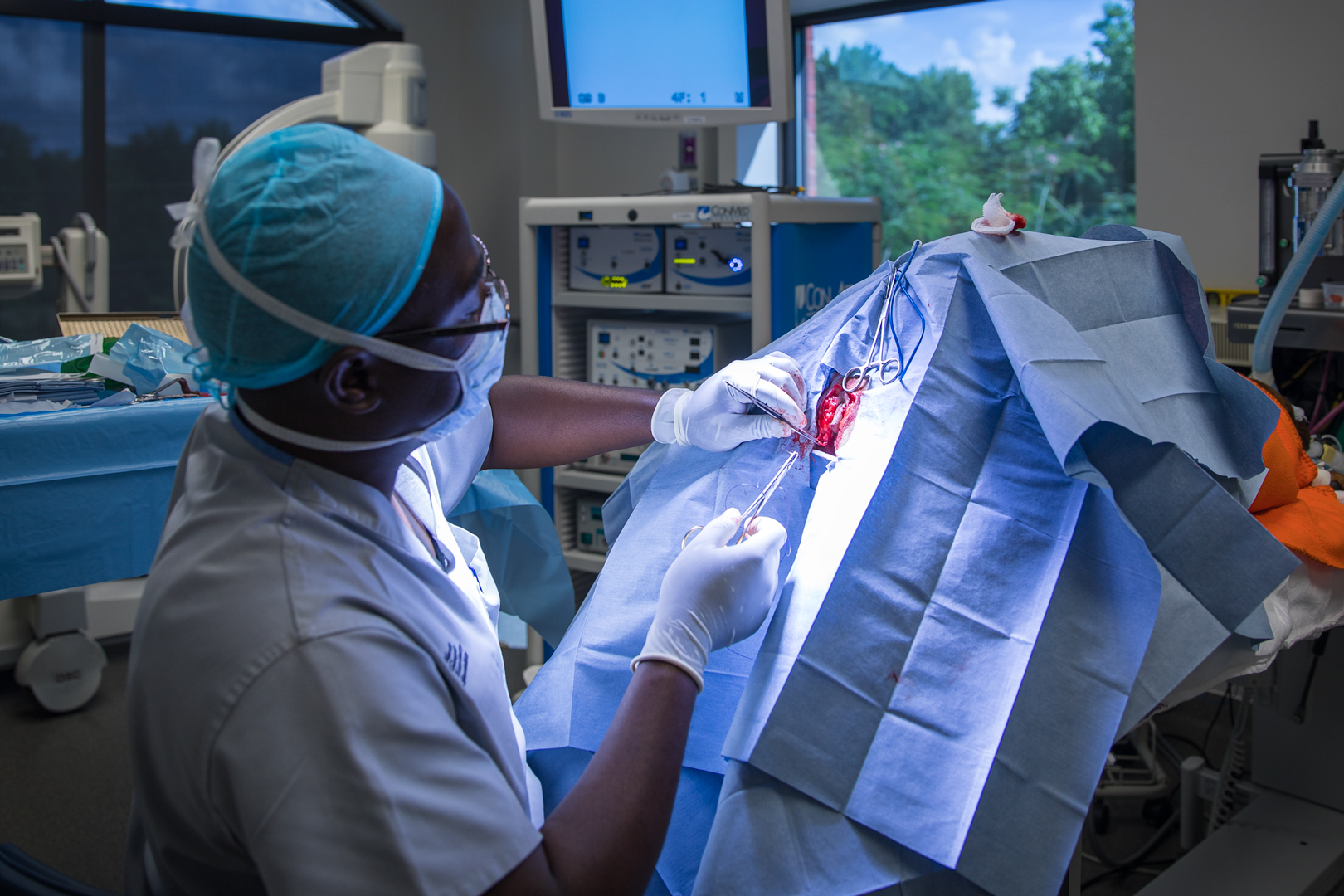
Episioplasty, often referred to as vulvoplasty, is a surgical intervention aimed at rectifying anatomical problems associated with a recessed vulva in canines. A common issue with this condition is the formation of excessive perivulvar skin folds above the vulva, which creates a moist environment that fosters bacterial proliferation and leads to infection.
By performing this surgery, veterinarians can mitigate persistent dermatological conditions such as perivulvar dermatitis, frequent urinary tract infections (UTIs), and vaginal infections. The operation improves ventilation around the vulval area, thereby reducing the risk of infection while enhancing overall well-being and comfort for the pet. The surgery restores a more normal conformation to the vulva, improving ventilation and preventing moisture accumulation. Restoring normal conformation helps decrease bacterial growth and infection risk.
Additionally, addressing the folds of skin around the vulva can significantly reduce the risk of chronic infections.
Episioplasty plays a crucial role in reducing irritation caused by excessive licking, a common behavior in dogs with an indented vulva. Addressing these discomforts through surgery, it helps curb complications and eliminates continuous dependence on medical therapy for managing these issues.
It may be beneficial to delay episioplasty surgery until the dog is sexually mature, as some dogs may outgrow the problem.
The Episioplasty Procedure
Before the episioplasty, the dog will be required to fast for several hours. The veterinary team conducts a complete blood count and other comprehensive blood tests to ensure the dog is healthy and suitable for anesthesia. An IV and an epidural catheter will be placed before surgery to provide anesthesia and pain management. The genital region is then shaved and cleaned thoroughly to minimize the risk of infection during surgery. The excision area is marked with precision to ensure the optimal amount of skin is removed.
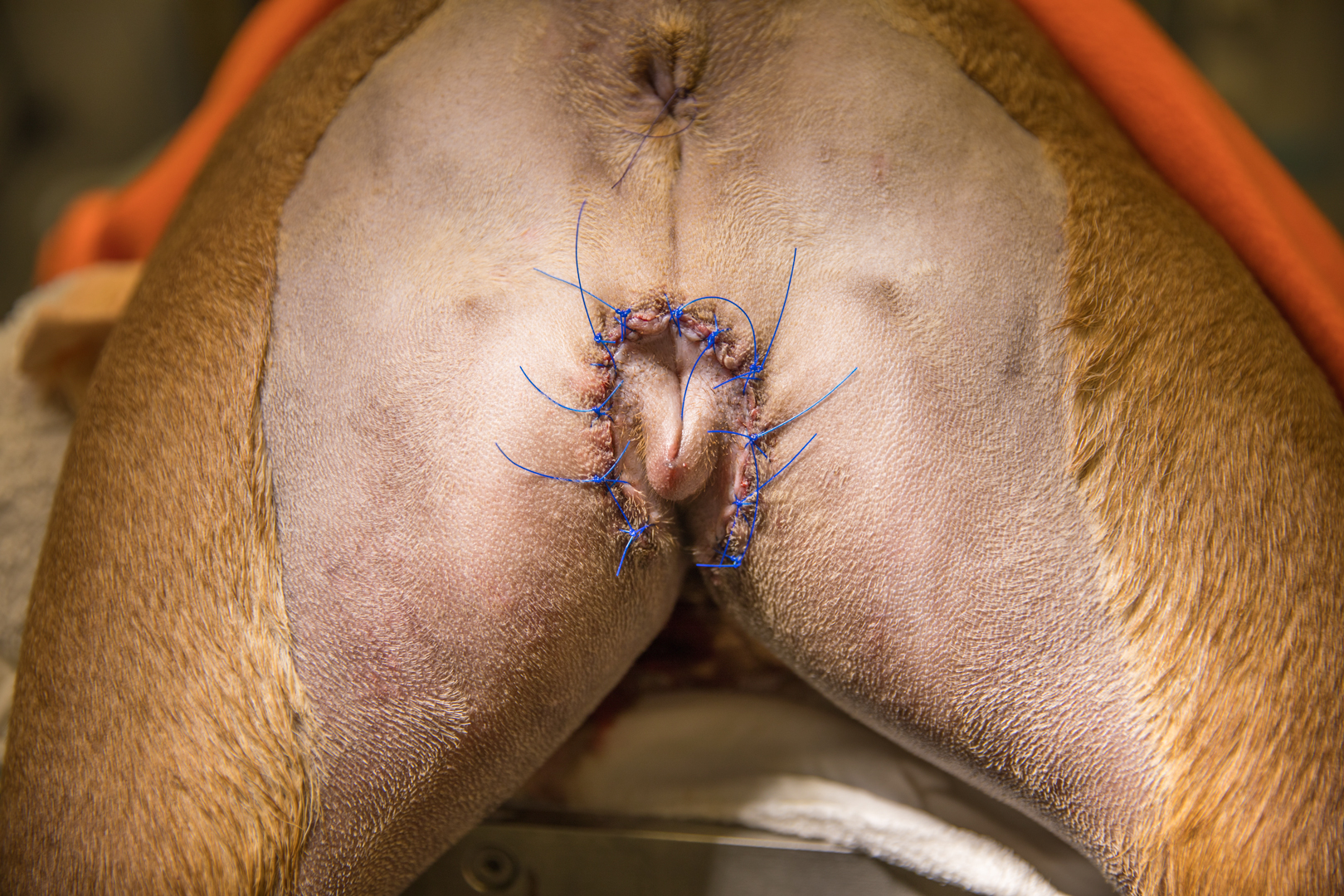
During the surgery, a shallow incision is made all around the skin folds in a crescent or horseshoe shape. A crescent-shaped piece, also referred to as a tissue crescent, of skin and possibly some underlying fat is removed from above the vulva to correct a recessed vulva and improve anatomical conformation. After excision, the cut edges of the remaining skin are sutured together to achieve wound closure and restore normal vulvar conformation, preventing moisture buildup and recurrent infections. Hemostasis is achieved using electrocautery, and the subcutaneous tissue and skin are closed with skin sutures in an interrupted pattern to prevent dog-ear formation. Adequate skin must be removed to ensure success and prevent recurrence.
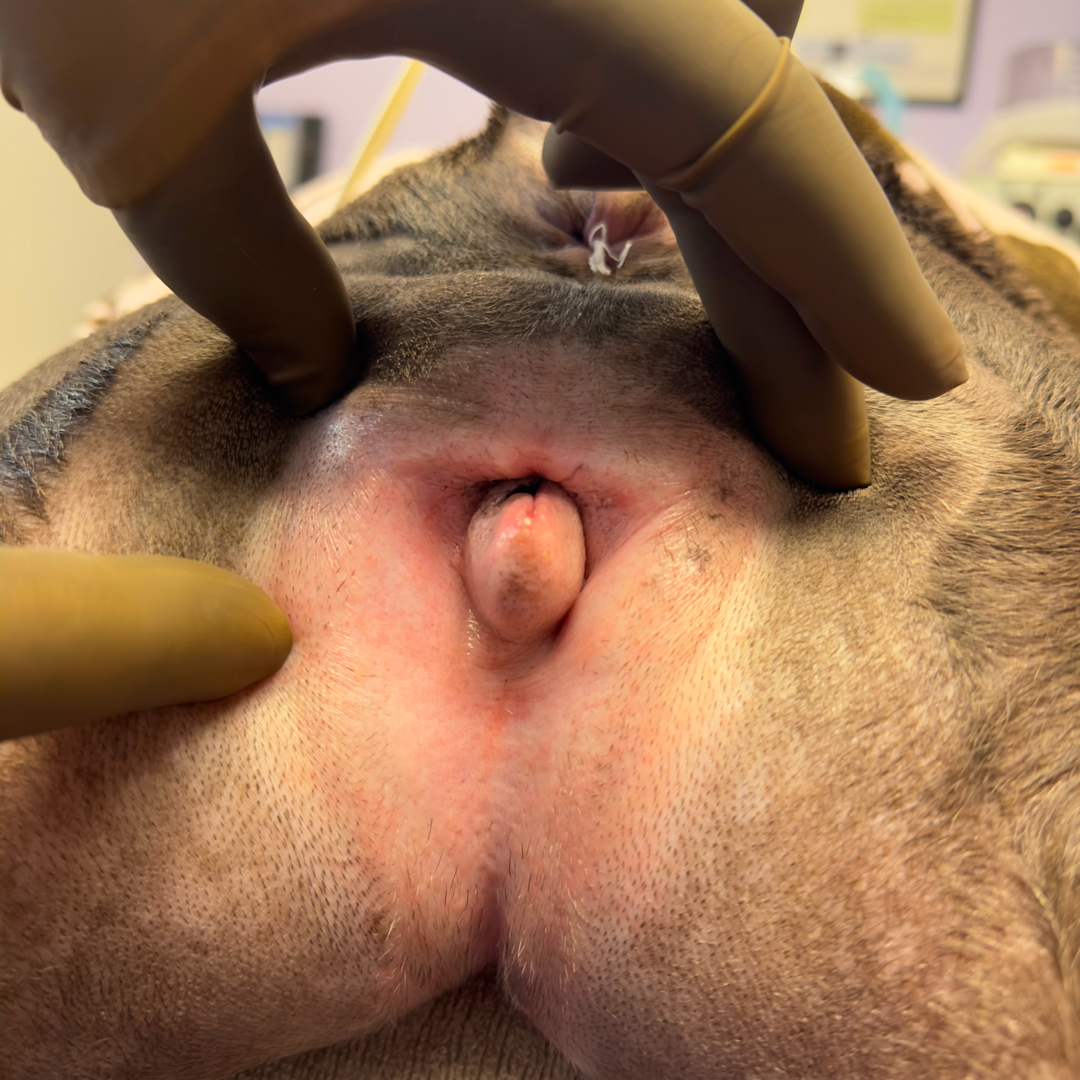
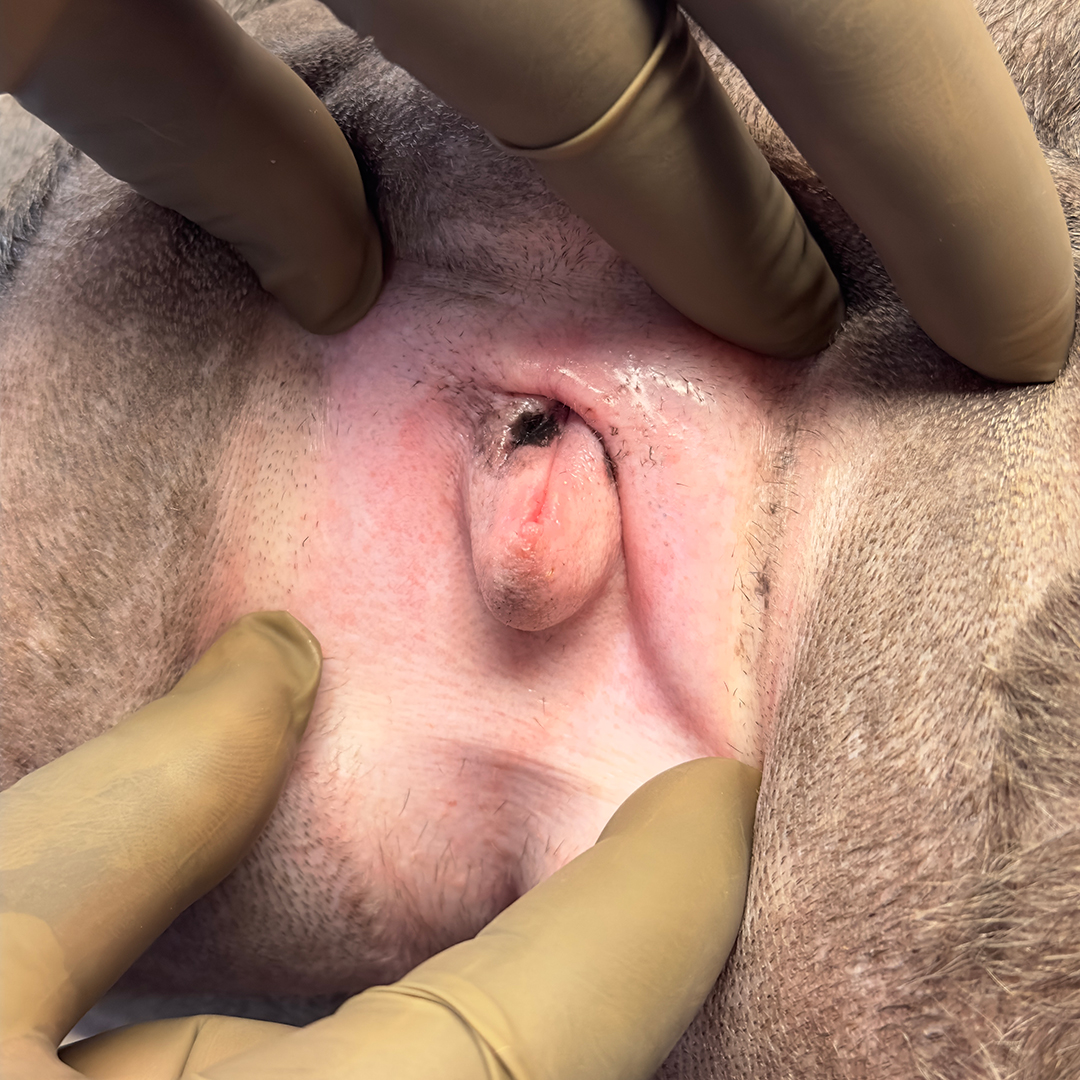
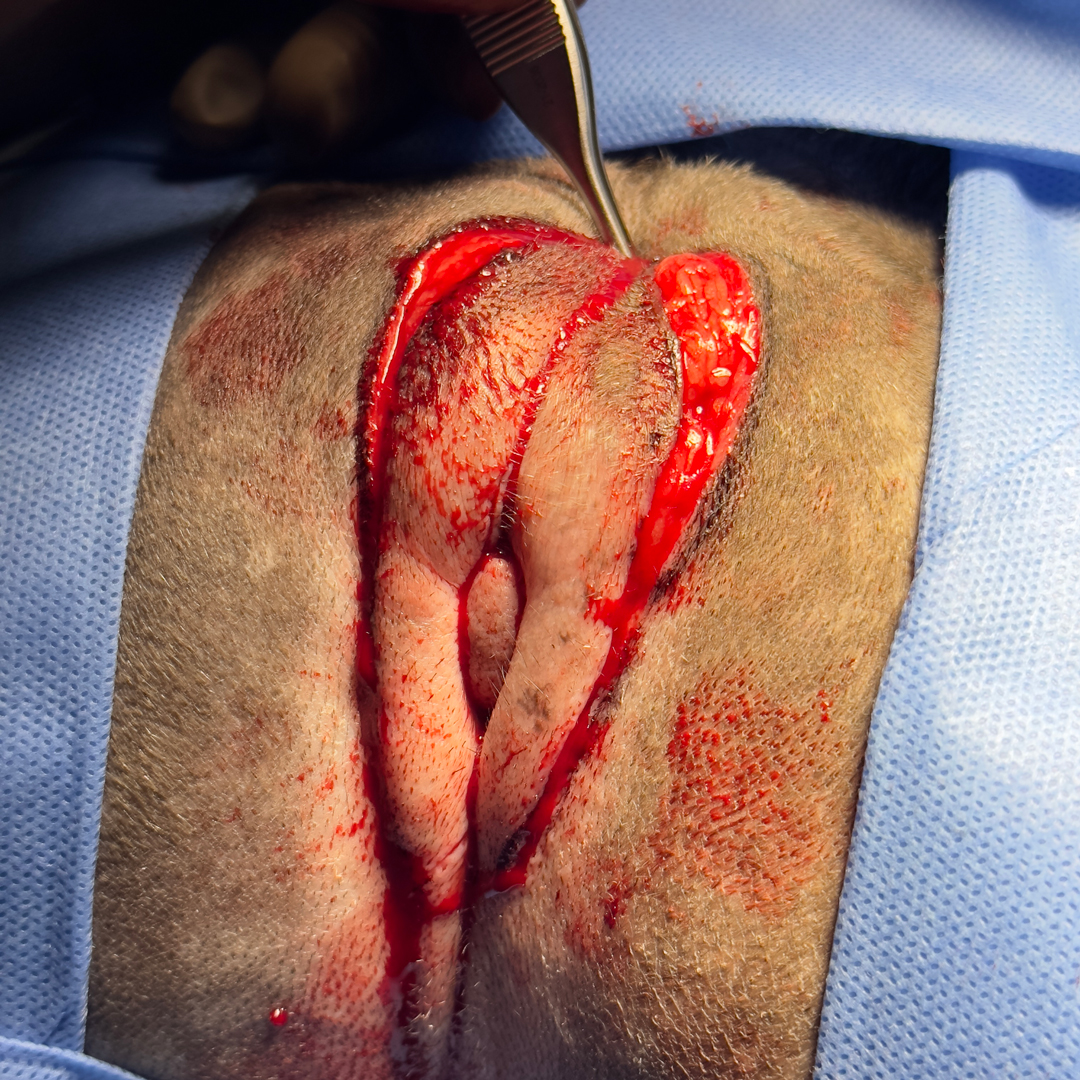
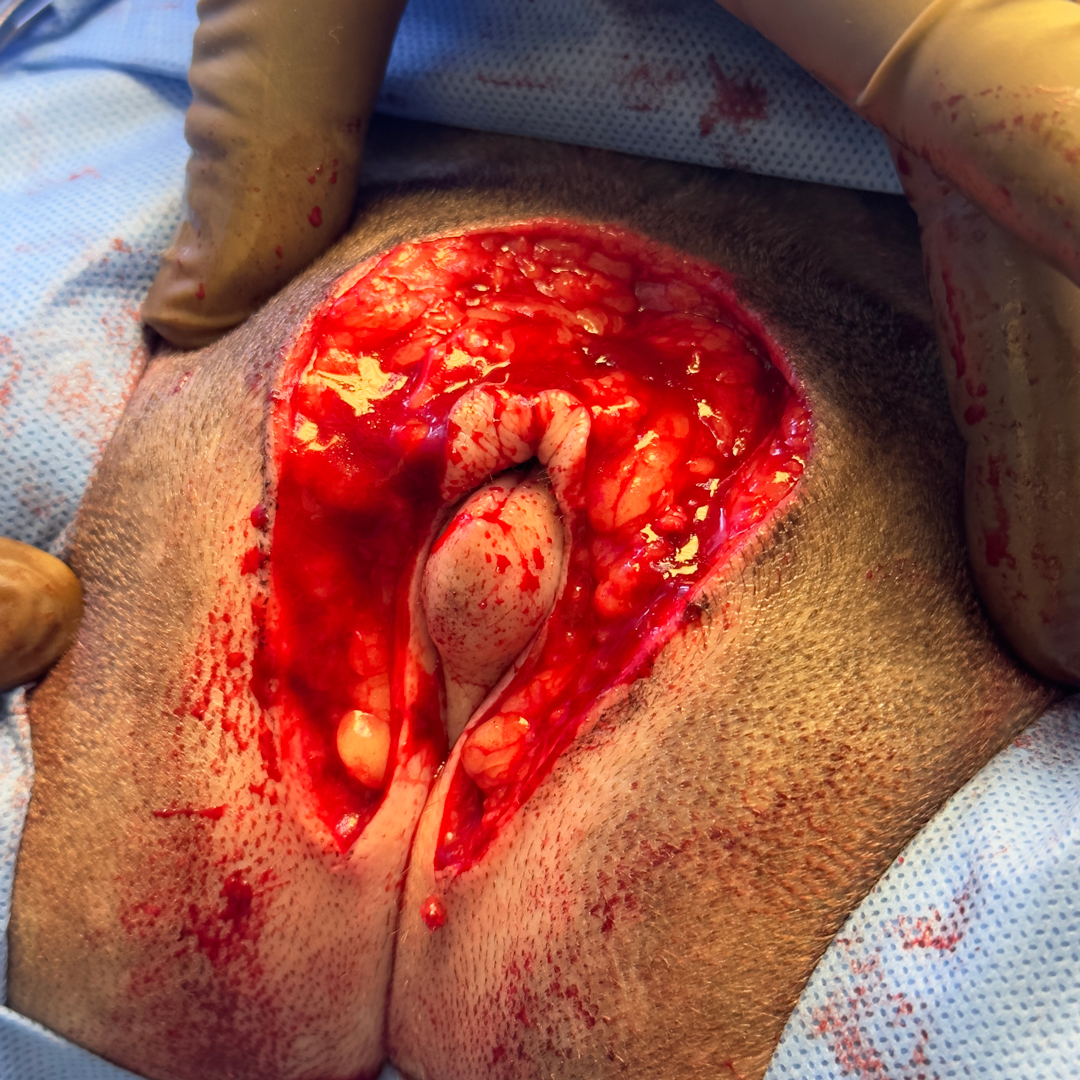
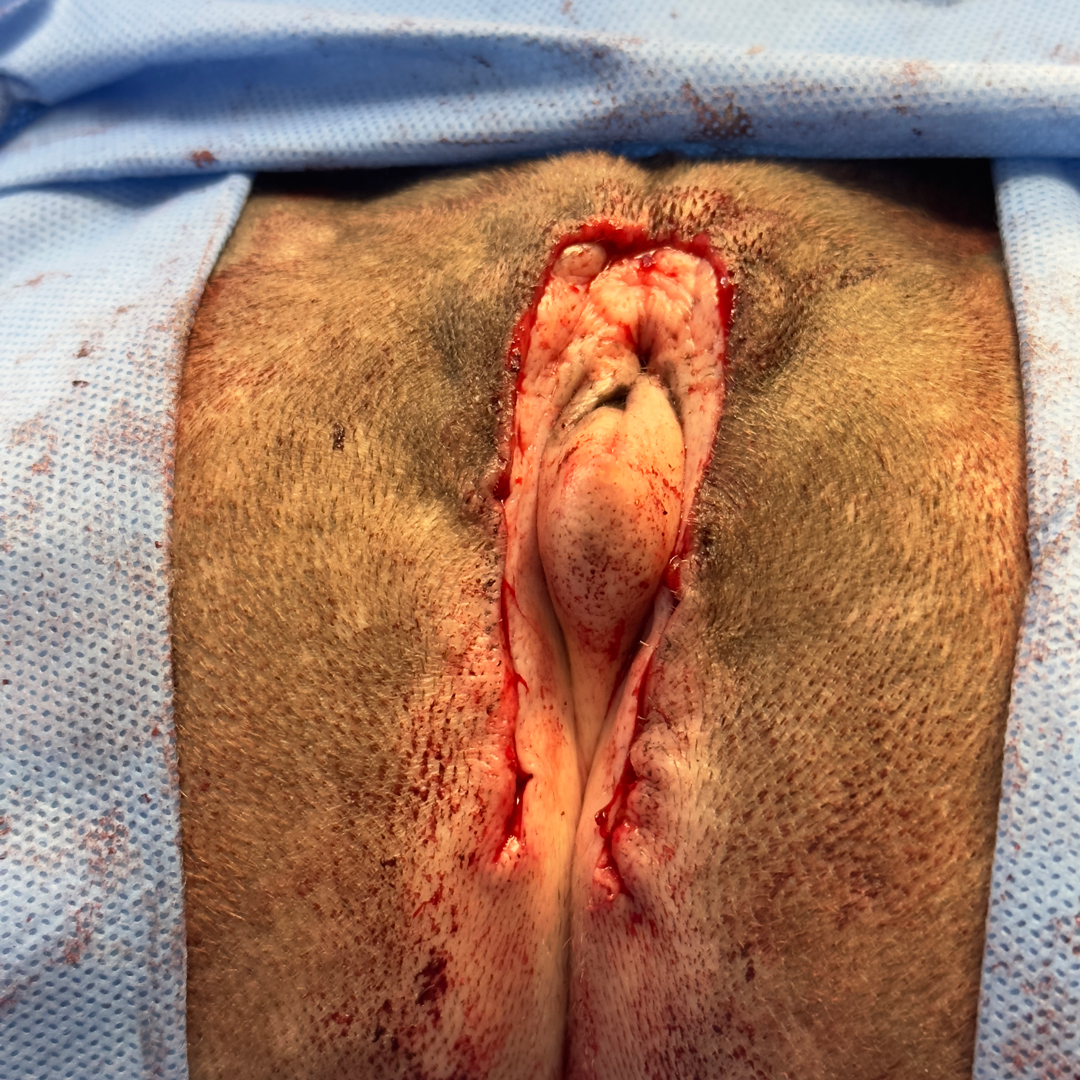
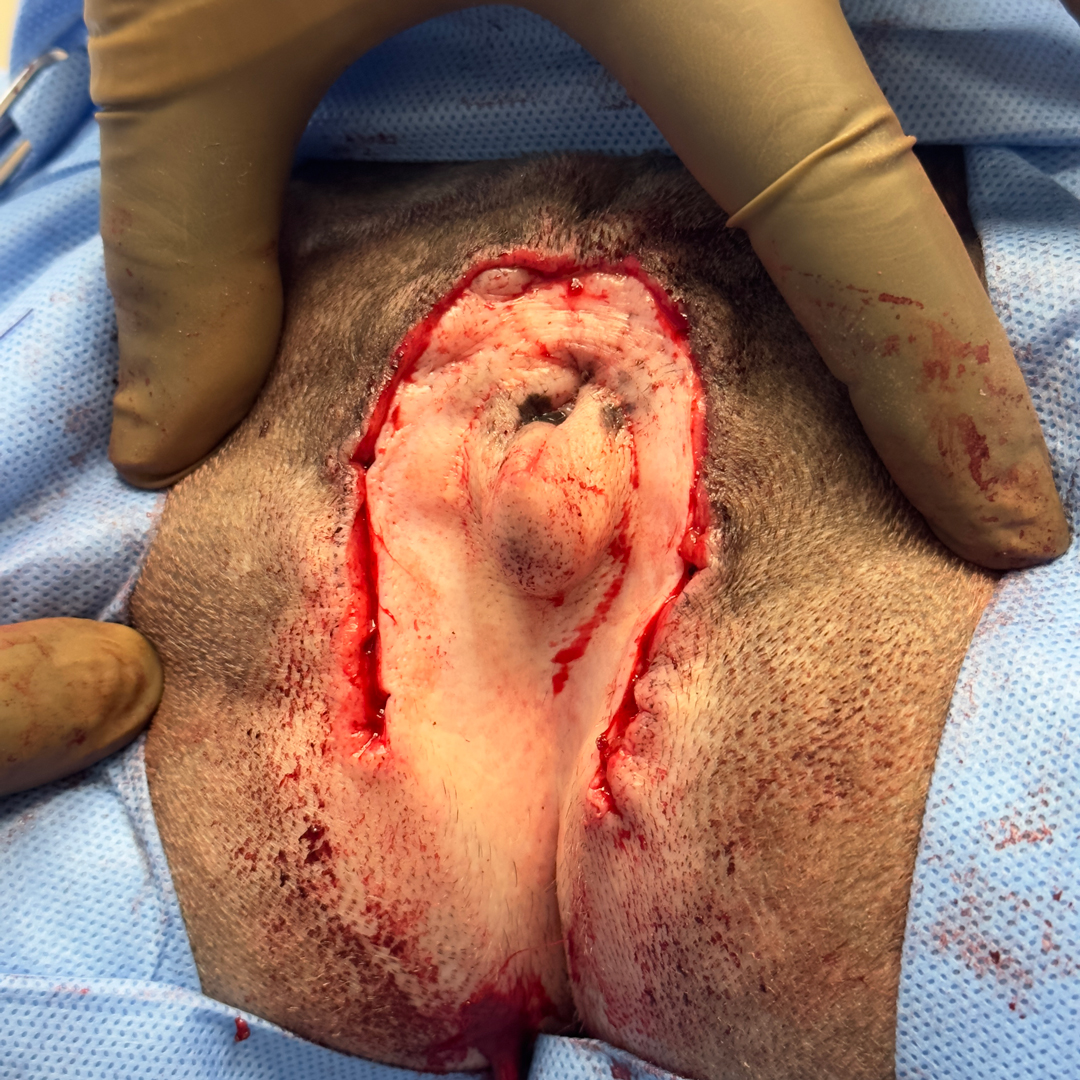
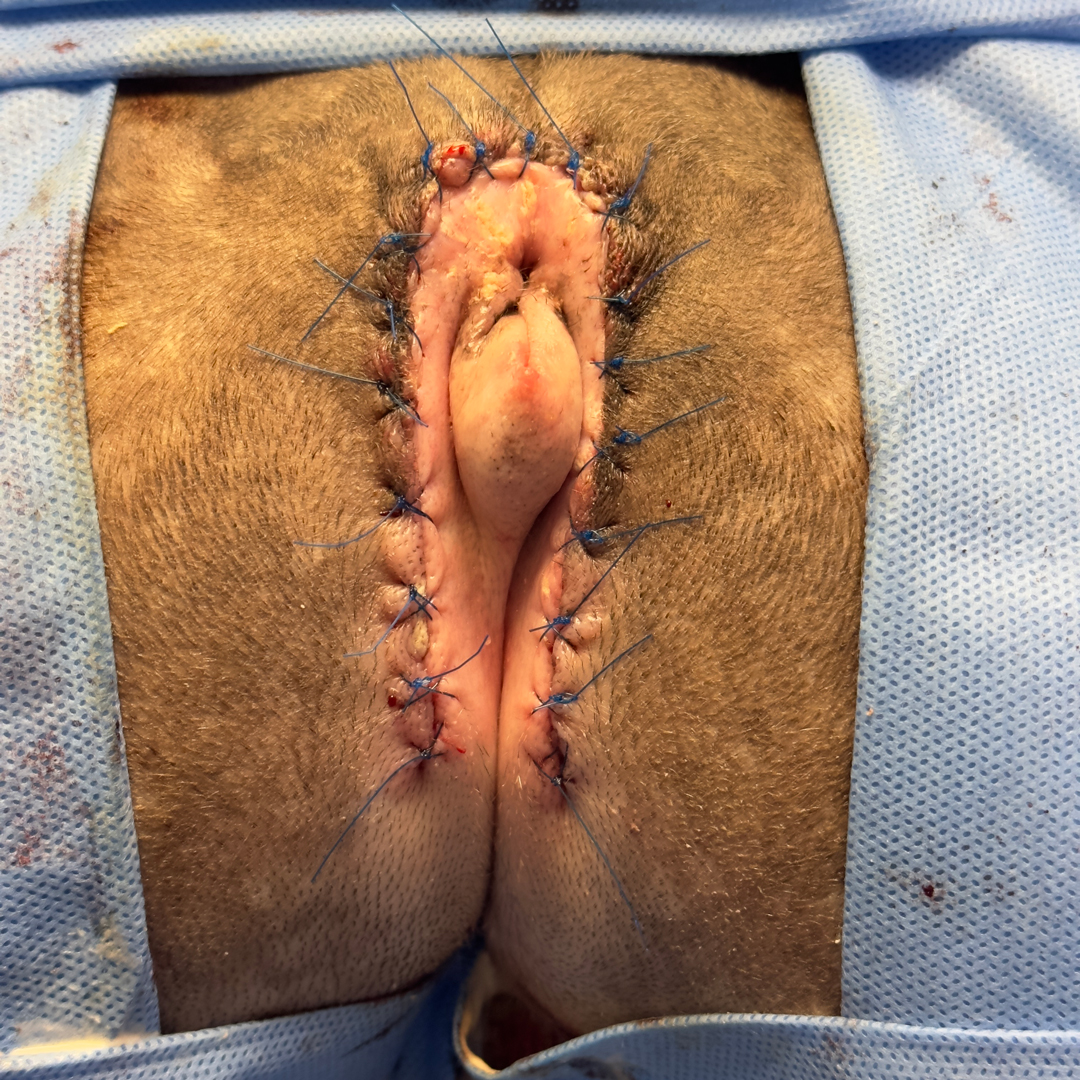
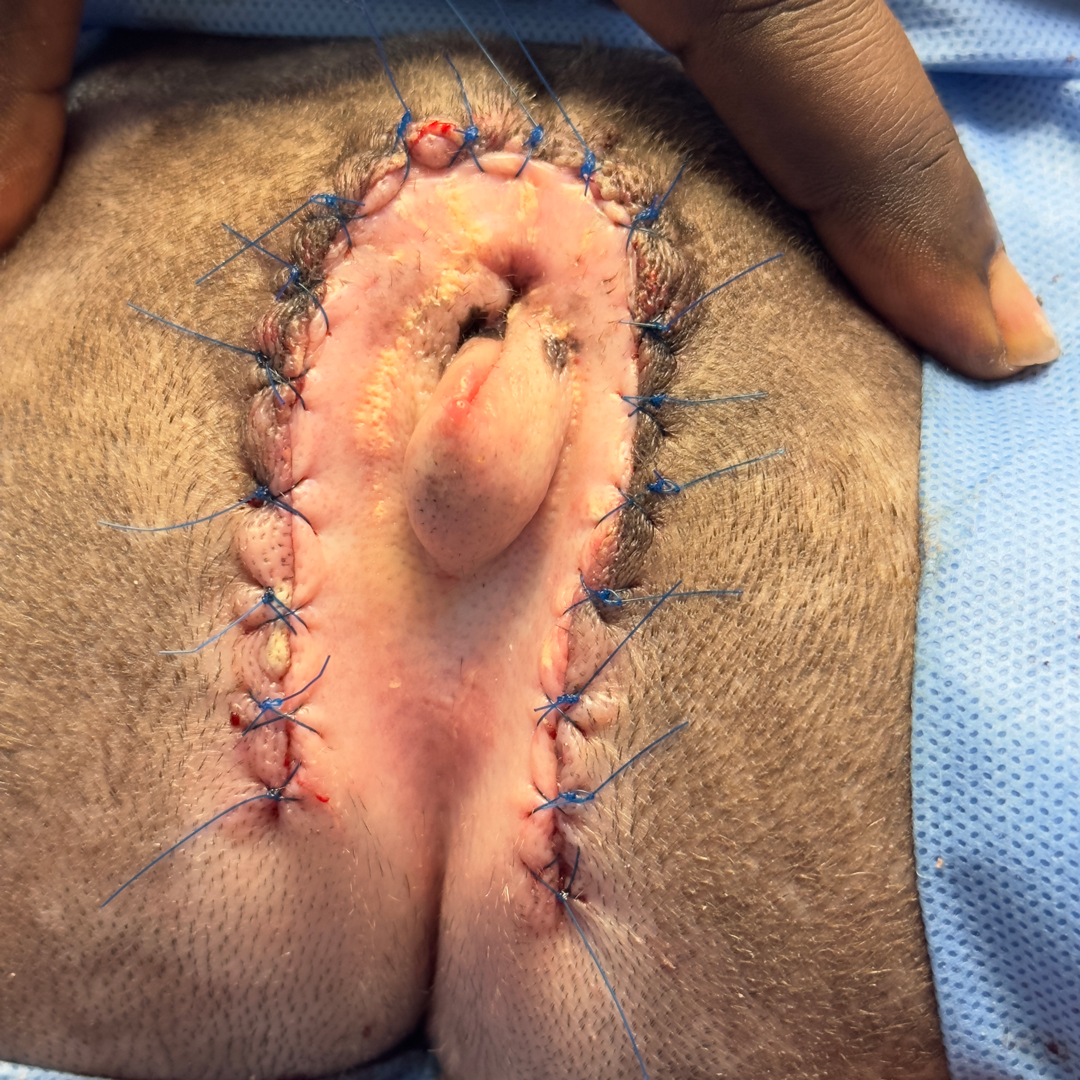
The procedure is performed with the dog in a perineal position, and a purse-string anal suture is placed to secure the area from fecal contamination. If insufficient tissue is excised, the symptoms may persist, necessitating further surgical intervention. Therefore, it is crucial to accurately estimate and remove the required amount of skin during the initial surgery. This surgery prevents skin layers from rubbing together, which can lead to vulvar inflammation. It also resolves inflammation and infection in the area by improving vulval conformation and enhancing perivulva ventilation.
After surgery, oral antibiotics and pain medication are prescribed to prevent infection and manage discomfort. The dog will go home with a nonsteroidal anti-inflammatory drug to prevent pain and swelling at the surgical site. A cold compress should be applied to the surgical site for the first two days after the procedure. Extra care will be needed to keep the surgical area clean throughout the healing process after the episioplasty. A follow-up appointment will be needed 10 to 14 days after the procedure for suture removal.
Benefits of Episioplasty
Key Benefits of Episioplasty:
Diminishes the buildup of moisture around the vulva
Dramatically decreases the likelihood of infection
Reestablishes the usual shape of the vulva
Enhances air circulation
Hinders bacterial proliferation
Correcting the vulva helps improve ventilation and prevent infection by reducing moisture buildup and skin fold issues.
Episioplasty decreases swelling and discomfort near the vulva, alleviating pain and curbing excessive licking. The surgery has a high success rate, often leading to complete resolution of chronic UTIs and skin irritation. Dogs who undergo episioplasty typically experience a significant reduction in urinary tract infections and related conditions, yielding high levels of owner satisfaction.
Post-Surgical Care
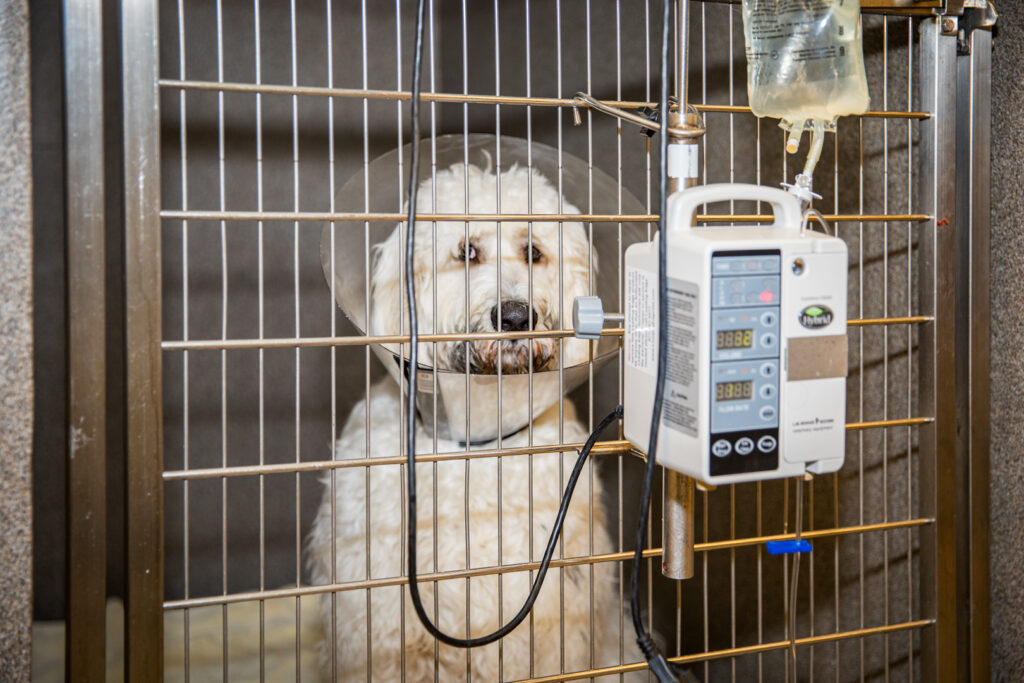
Veterinarians often prescribe antibiotics alongside pain-relief medications to manage discomfort and prevent infection, helping minimize surgical complications. Pain medication is administered to prevent pain and ensure comfort after surgery. Nonsteroidal anti-inflammatory drugs are employed to reduce swelling and ease initial post-surgery pain.
Wound Care
It’s imperative to keep the dog tranquil and limit its movements to prevent complications such as wound dehiscence. Using an Elizabethan collar is required to prevent licking and protect the surgical site, thereby promoting healing and reducing infection risk. Bruising is a common occurrence at the surgical site and may also appear in the local skin of the thigh region.
Follow-Up
Full recovery from the procedure typically takes 10 to 14 days. Sutures are removed 10 to 14 days after surgery. After suture removal, mild scabbing may be noted, and a urine sample should be rechecked to confirm that any prior bacterial infection has resolved.
Key Aftercare Steps:
Before following these aftercare tips, ensure your dog has undergone a preoperative assessment for surgical patients, as recommended by your veterinarian.
Administer all prescribed medications as directed by your veterinarian
Restrict your dog’s activity to prevent wound complications
Use an Elizabethan collar (e-collar) to prevent licking or chewing at the surgical site
Monitor the surgical site daily for signs of infection, such as redness, swelling, or discharge
Attend all scheduled follow-up appointments for suture removal and post-operative evaluation
During recovery, frequent home surgical site inspections are needed to monitor healing and promptly report any complications that may arise. Ensuring the pet does not undertake strenuous exercise and providing a peaceful setting contribute to successful convalescence. In some cases, long-term treatment and monitoring may be necessary to prevent recurrence of infection, especially in dogs with underlying conditions such as a recessed vulva.
Complications
Episioplasty is usually a safe surgical process. It encompasses certain possible risks and complications. The requirement of general anesthesia for the operation introduces inherent anesthesia risks like cardiac and respiratory issues, and negative responses to anesthetic substances.
Anesthesia Risks
General anesthesia carries risks such as cardiac and respiratory complications, as well as potential adverse reactions to anesthetic drugs. These risks are generally low but should be discussed with your veterinarian prior to surgery.
Wound Dehiscence
A noteworthy postoperative hazard is wound dehiscence, which is a reopening of the surgical incision – a particular concern if excessive tissue has been excised or if the dog engages in too much activity following the procedure. Managing pain effectively after surgery and taking appropriate care and measures to protect the surgical site until it is fully healed are essential.
Recovery Process
Monitoring the recovery phase after an episioplasty is paramount to ensuring a smooth healing process.
Immediate Postoperative Period
During the first 24 to 48 hours, as anesthesia dissipates, dogs may become drowsy and require a tranquil environment for recovery. To alleviate swelling and discomfort during this time, cold packs can be gently applied to the surgical area.
Activity Restriction
Restricting your dog’s physical activity for at least 2 weeks after surgery is critical for proper wound healing. Dogs should refrain from vigorous exercise such as running or leaping and remain mostly indoors, with only short, supervised walks outdoors when necessary.
Consistently examining the surgical site is key to detecting potential signs of infection, such as increased redness, swelling, or unusual discharge. To safeguard against contamination and irritation at this sensitive site, avoid bathing or grooming while the surgical site heals.
Cost Considerations
Expenses associated with episioplasty in dogs can vary widely, depending on the veterinarian performing the procedure, the geographical location, and any additional treatments that may be needed. Typically, these costs include fees for the surgery itself, anesthesia, medications required during recovery, and subsequent check-ups, which are crucial to ensure full healing.
Should there be a need for additional medications after the operation, or if more appointments are necessary beyond standard follow-up care – especially if complications arise during or after surgery – this could increase total expenditure. Awareness of these potential expenses is beneficial when considering a dog’s medical care options.
Veterinary Insights and Advice
During episioplasty procedures, veterinarians may use various techniques, such as a scalpel, electrosurgery, or a laser. A combination of subcutaneous and skin sutures is necessary to effectively close the wound margins and reduce the risk of complications.
Proper skin tension during surgery is essential to achieving optimal outcomes. It is important to remove adequate skin during the procedure to resolve recessed vulva issues and minimize the risk of dermatitis recurrence and urinary tract infections, while avoiding excessive removal to prevent complications. If skin folds remain after the initial excision, additional layers of skin may need to be removed along the outer edge to ensure no folds persist after surgery. This helps prevent complications related to overlapping skin layers.
After completing the procedure, it’s crucial to maintain the surgical site clean. The wound edges can be cleaned with gauze moistened with sterile saline solution to remove debris. Vigilant monitoring for signs of infection or other issues following surgery, and follow-up appointments to ensure the surgical site is fully healed with no complications, are encouraged.
Summary
It is essential for the health and happiness of female dogs to recognize and address the condition known as a recessed vulva when it occurs. The canine episioplasty (vulvoplasty) surgical procedure provides an effective remedy by significantly enhancing the dog’s comfort, reducing the risk of infection, and alleviating pain.
As responsible pet guardians, we must consult veterinarians about this operative intervention to improve our cherished companions’ well-being. Taking steps like considering episioplasty aligns with a commitment to guaranteeing healthy lives for our furry friends.
Frequently Asked Questions
What is a recessed vulva in female dogs?
A recessed vulva is a conformational abnormality in female dogs characterized by excessive skin folds that can trap moisture and potentially lead to infections of the perivulvar skin, genital tract, and lower urinary tract.
Why is canine episioplasty necessary?
Canine episioplasty addresses anatomical concerns associated with a recessed vulva, mitigating infection risks and improving comfort for dogs.
What are the potential risks of episioplasty?
The potential risks of episioplasty include complications from general anesthesia, wound dehiscence, and infection, though these occurrences are relatively rare when proper postoperative care is maintained.
How should I care for my dog post-surgery?
Proper post-surgical care for your dog includes administering prescribed medications, limiting activity, using an e-collar, and monitoring the surgical site for signs of infection. This approach will help ensure a smooth recovery.
How much does episioplasty cost?
The cost of an episioplasty can vary significantly depending on the veterinarian performing the procedure and their location. The overall cost of the procedure includes charges for surgery, anesthesia, medications, and subsequent follow-up appointments.
You should contact your nearby veterinary practice to obtain a comprehensive quote tailored to your needs.