
Veterinary Oncologic Surgery
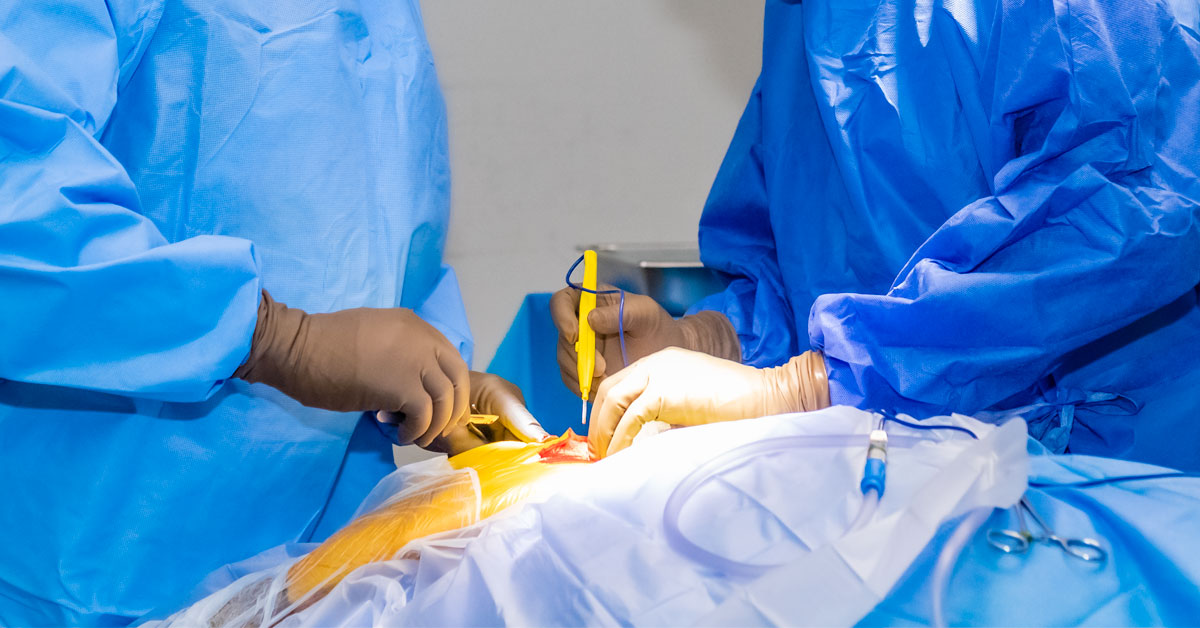
Surgery is considered the most important component of treatment in dogs and cats suffering from solid tumors, and is often the preferred option for the local control of cancer. Successful surgical removal of localized cancer cures more pet cancer patients than any other form of treatment. Oncologic surgery could have a diagnostic or therapeutic intent. Therapeutic intent surgery can be curative, cytoreductive (debulking), or palliative, depending on the tumor type, location, and the pet owner’s goals. Oncologic surgery can also be cytoreductive, when complete removal is not possible or carries unacceptable consequences, such as marginal resection or debulking surgery to enhance the efficacy of other treatment modalities, such as chemotherapy and radiation therapy. It could also be palliative, improving a patient’s quality of life without necessarily extending their life.
Surgery is typically scheduled within 1-2 weeks of an initial consultation, and pets usually spend a minimum of 2 nights in the hospital after surgery, where they receive close monitoring and care.
Surgical Planning and Diagnostics
Key steps in surgical planning and diagnostics include:
Using biopsy and needle aspirates to determine tumor type and grade.
Conducting histopathologic analysis of tissues obtained by biopsy for a definitive diagnosis.
Tumor grading, which includes information such as the mitotic index, invasiveness into surrounding tissues, and degree of differentiation, all evaluated by a pathologist.
Tumor staging to more precisely define the tumor location and establish the extent of tumor invasion into local, regional, or distant tissues, especially in common sites like the lung,s which is essential for prognosis and treatment planning. This is done by performing diagnostic imaging tests such as radiography, ultrasonography, computed tomography (CT), abdominal ultrasound, and magnetic resonance imaging.
Surgical Techniques and Margins
In order to achieve a wide resection, a normal tissue margin should be excised en bloc with the gross tumor; margins are borders or layers of cancer-free tissue on all sides of the tumor. Careful tumor handling is required to prevent tumor cell exfoliation and local recurrence. Marginal resection is a planned, incomplete removal of a tumor or mass, often performed to facilitate the use of adjunct therapies. If dirty margins (cancer cells at the edge of excised tissue) are found, additional treatments such as radiation or chemotherapy may be recommended.
Common veterinary oncologic surgery conditions seen, and treatment options offered by Dr. Oshin include:
Various skin tumors (benign and malignant)
Anal sac tumors and related lymph node removal
Heart and lung tumors
Thoracic tumors (tumors located within the thoracic cavity, such as those affecting the lungs, heart, or surrounding structures)
Cancerous lymph nodes
Bone, muscle, and nerve/nerve root tumors
Thyroid and parathyroid tumors
Body wall reconstruction and rib resections
Tumors of the head and neck, including oral tumors
Tumors of the bladder
Tumors of the liver (including hepatocellular carcinoma)
Tumors of the intestines
Tumors of the pancreas
Tumors of the spleen,
Tumors of the adrenal gland and more
Postoperative Care and Pathology
After surgery, the resected tissue should be properly prepared and sent to a laboratory for analysis of tumor cells and surrounding tissues. The pathologist will evaluate the tumor margin to determine if cancer cells were left behind, and the results of any tissue or tumor biopsies collected during surgery are usually available within 7-10 days. Tumor grade, determined by the pathologist, indicates the aggressiveness of the cancer cells and influences prognosis and further treatment decisions.
Communication and Decision-Making
Communication between the pet owner and the surgeon or surgical team is critical to align treatment goals and expectations, especially when facing difficult decisions during the cancer journey.
Dr. Oshin offers veterinary oncologic surgery consultations to provide a definitive diagnosis and treatment plan, both surgical and non-surgical, for pets. Throughout the cancer journey, Dr. Oshin and his team support pet owners through diagnosis, treatment, and decision-making, ensuring compassionate care and clear communication at every stage.