
Introduction
Post-operative care is critical for comfort, safety, and recuperation after surgery. This guide is designed for pet owners caring for their pets after surgery and covers the essential steps for a smooth recovery after pet surgery. Postoperative care for pets involves a series of best practices to ensure your furry companion heals safely and comfortably at home.
Best practices for postoperative pet care include diligently following your veterinarian’s instructions, providing a calm recovery environment, managing pain, and monitoring the surgical site for complications. By understanding and implementing these steps, you can help your pet avoid complications and return to their normal routine as quickly as possible.
This guide will walk you through preparing your home, understanding veterinary instructions, managing pain, caring for wounds, ensuring proper nutrition and hydration, monitoring your pet’s condition, and maintaining a comfortable recovery environment. Creating a safe, quiet recovery space for your pet away from household traffic and other pets, with soft bedding, is especially important for their comfort and healing.
Preparing Your Pet's Home
Setting Up a Recovery Space
-
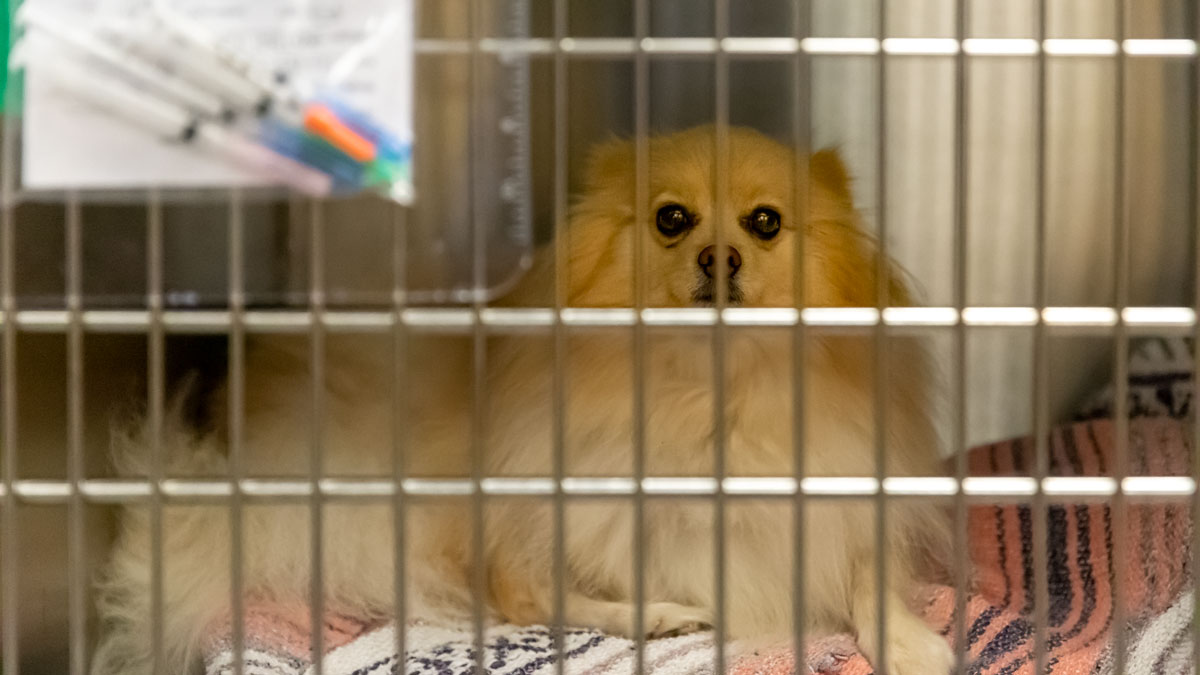
Create a comfortable space for your pet to rest and recover, away from other pets and distractions, to ensure a smooth post-operative recovery.
-
Provide a soft bed and a quiet area for your pet to relax, helping to prevent infection and promote healing. It is normal for pets to be drowsy or less active after receiving anesthesia.
-
A quiet, comfortable recovery space is important because it minimizes stress, reduces the risk of injury, and allows your pet to heal without unnecessary disturbances.
Managing Multiple Pets and Household Traffic
-
If you have many pets in the home, consider separating them and tailoring post-operative routines to each pet’s needs.
-
Monitor all pets closely to ensure a safe recovery environment and prevent interference or accidents.
-
Prepare a safe and comfortable area for your pet to eat, drink, and use the bathroom, making it easy to monitor their condition and prevent potential complications.
Once your pet’s environment is set up, it’s important to understand and follow your veterinarian’s post-operative instructions for optimal recovery.
Understanding Post-Operative Instructions
Following Veterinary Guidance
-
Follow the medication schedule exactly and give all prescribed pain medications as instructed by your veterinary hospital to prevent infection and speed recovery.
-
Use an Elizabethan collar (e-collar) to prevent your pet from licking the surgical site, and to reduce the risk of excessive licking and infection. E-collars, also known as Elizabethan collars, help prevent pets from irritating their surgical incisions and pulling out stitches or staples. Recovery suits can be used as an alternative to e-collars to prevent pets from licking or chewing at their incisions.
-
As a general rule, always follow your veterinarian’s instructions to support optimal healing.
Monitoring and Communication
-
Monitor your pet’s condition closely, tailoring care as needed, and contact the hospital immediately if you notice any signs of infection, such as foul odor, excessive swelling, or discharge from the incision site.
-
Keep the surgical incisions clean and dry, and gently clean with saline solution if dirty, to promote a successful outcome and prevent complications.
-
Always follow your veterinarian’s post-surgical care plan precisely, including medication dosages and schedules, and never use human medications, as many are toxic to animals.
In addition to following instructions, managing your pet’s discomfort is a key part of the recovery process.
Managing Your Pet’s Discomfort
Pain Management
-
Administer prescribed oral medications, such as pain medications, as directed by your veterinarian, to help manage your pet’s discomfort and pain.
-
Proper pain management is essential for adequate recovery, as it helps your pet heal successfully and avoid complications.
Comfort Measures
-
Use cold compresses or other methods recommended by your veterinarian to reduce swelling and discomfort, and to promote a comfortable recovery.
-
Provide a comfortable, quiet space for your pet to rest, and avoid using over-the-counter medications without consulting your veterinarian to prevent potential complications and ensure a smooth recovery.
Recognizing Signs of Pain
-
Monitor your pet’s behavior, and contact the hospital if you notice any signs of pain or distress, such as whining, panting, or restlessness, to ensure your pet receives the necessary care.
-
Signs of pain can be difficult to assess, but may also include biting at the surgical site, growling, or increased restlessness.
Never give your pet human painkillers, as they can be fatal to pets.
Along with pain management, caring for your pet’s wound and incision is crucial for a successful recovery.
Wound and Incision Care
Keeping the Incision Clean
-
Keeping your pet’s surgical site clean and dry is essential for a smooth post operative recovery and to prevent infection.
-
Check the incision site regularly for any changes, such as excessive swelling, redness, heat, or a foul odor, which could indicate a problem.
Recognizing and Responding to Complications
If you notice more than just a few drops of blood, unusual discharge, or an unpleasant odor coming from the incision, contact your veterinary hospital immediately. These can be signs of infection or other complications that require prompt attention.
Cleaning and Protection
-
Gently clean the incision with saline solution if it becomes dirty, but avoid over-cleaning, as this can irritate the area and slow healing.
-
Prevent your pet from licking or chewing at the incision by using an Elizabethan collar (e-collar) or a recovery suit. E-collars, also known as Elizabethan collars, help prevent pets from irritating their surgical incisions and pulling out stitches or staples. Recovery suits can be used as an alternative to e-collars to prevent pets from licking or chewing at their incisions. This is especially important after back or neck surgeries and orthopedic surgeries, as incision interference can lead to infection or require additional corrective surgeries.
Medication and Monitoring
-
Never give your pet over-the-counter medications unless specifically directed by your veterinarian, as they can interact with prescribed medications and disrupt your pet’s recovery.
-
Stick to the prescribed medication and dosage schedules provided by your veterinary hospital to support healing and reduce the risk of complications.
-
Monitor your pet’s overall behavior and health during the recovery period. If you notice any signs of distress, illness, or changes in the incision site, reach out to your veterinary hospital for guidance.
In addition to caring for the incision, it is important to monitor your pet’s overall condition during recovery.
Nutrition and Hydration During Recovery
Providing Food and Water
-
Provide fresh water and a balanced diet, such as canned food, as recommended by your veterinarian, to support your pet’s recovery and prevent potential complications.
-
Offer your pet food a few hours after arriving home from surgery, as advised by your veterinarian.
-
It is important to maintain nutrition and hydration by offering small, easily digestible meals and ensuring access to fresh water. Pets should have access to fresh water at all times after surgery.
Feeding Schedule and Monitoring
-
Follow the feeding schedule recommended by your veterinarian, and avoid overfeeding or underfeeding your pet, to ensure a smooth recovery and prevent potential complications.
-
Some surgeries, especially orthopedic or back/neck surgeries, may require a recovery period of a few weeks or longer, during which restricted activity and careful feeding are essential.
Troubleshooting Feeding Issues
-
Monitor your pet’s food and water intake, and contact the hospital if you notice any signs of decreased appetite or thirst, to prevent potential complications and ensure a successful outcome.
-
Pets may experience a decreased appetite after surgery, which is usually not a concern for the first day. Dividing meals into smaller portions may help decrease the risk of nausea and vomiting after anesthesia.
-
Consider hand-feeding or using a syringe to feed your pet if they are having trouble eating, to ensure they receive the necessary nutrients and prevent potential complications.
After ensuring your pet is eating and drinking well, it’s important to monitor their overall condition for any signs of complications.
Monitoring Your Pet’s Condition
Checking the Incision Site
-
Check the incision site frequently for signs of infection, such as redness, swelling, discharge, missing staples, or a bad odor.
-
A normal amount of redness or minor discharge is expected, but excessive redness, discharge, or an unpleasant smell should be reported to the hospital immediately.
Monitoring Appetite and Bowel Movements
-
Monitor your pet’s appetite and contact the hospital if they stop eating or show signs of decreased appetite to prevent complications and ensure a successful outcome.
-
If your pet does not eat or drink within 24 hours of going home, notify your veterinarian.
-
Watch for signs of bowel movement, and contact the hospital if your pet has not had one within a few days of surgery to prevent potential complications and ensure a smooth recovery.
Observing General Health
-
If you notice excessive lethargy, prolonged loss of appetite, or significant swelling, contact your veterinarian.
-
Keep an eye on your pet’s overall condition, and contact the hospital if you notice any signs of distress or discomfort, such as vomiting, diarrhea, or lethargy, to ensure your pet receives the necessary care.
Incisions typically heal within seven to fourteen days, but if the incision does not heal properly or shows signs of infection, a follow-up with your veterinarian is necessary.
To further support your pet’s recovery, it’s essential to maintain a comfortable and safe environment and follow all activity restrictions.
Ensuring a Comfortable Recovery
Activity Restriction
-
In general, activity restrictions are necessary after surgery to promote proper healing and prevent complications.
-
Provide a comfortable, quiet space for your pet to rest and avoid disturbing them during the recovery period to promote a smooth, successful recovery.
-
For most procedures, your dog’s activity should be restricted for 7–10 days after surgery.
-
Activity is often restricted for a period of time after surgery, ranging from several days to many weeks, depending on the type of surgery, and some orthopedic surgeries require 2 months or longer for adequate recovery.
-
Inadequately restricting activity is a common cause of postoperative complications and increased veterinary visits and costs.
-
Crates are particularly useful during these periods of activity restriction.
-
It’s important to keep your dog on a leash at all times, whether indoors or outdoors, including during bathroom breaks.
-
The key factor to bear in mind is that our pets cannot understand or comply with restrictions, so owners must remain vigilant.
-
Even if your pet seems eager to play, restrict movement for at least a few days to prevent strain on the surgical site.
-
It is essential to avoid running, jumping, and other strenuous activities that could strain the wound excessively.
-
Avoid swimming or baths during the activity restriction period, as moisture can help introduce bacteria into the wound and lead to infection.
-
Certain surgeries may require specialized follow-up, such as bandaging, drain management, or physical rehabilitation, so always follow your veterinarian’s specific instructions.
E-collar and Recovery Suits
-
Use an e-collar or other methods recommended by your veterinarian to prevent your pet from licking or biting the surgical site, and to reduce the risk of infection and complications.
-
Most dogs will gradually tolerate wearing an e-collar, even if they initially resist.
-
E-collars, also known as Elizabethan collars, help prevent pets from irritating their surgical incisions and pulling out stitches or staples.
-
An Elizabethan collar or surgical recovery suit can prevent pets from licking or chewing at their incision.
-
Recovery suits can be used as an alternative to e-collars to prevent pets from licking or chewing at their incisions.
-
It is important to keep the e-collar on your pet at all times, and it must be long enough to prevent access to the incision.
-
If a pet is licking or chewing at their incision, it is crucial to use an e-collar or recovery suit to prevent complications.
Comparison Table: E-collar vs. Recovery Suit
| Option | Pros | Cons |
|---|---|---|
| Elizabethan Collar |
- Highly effective at preventing access to incision - Widely available - Easy to clean |
- Some pets may resist wearing - Can interfere with eating/drinking - May bump into objects |
| Recovery Suit |
- Comfortable and less restrictive - Allows easier eating/drinking - Covers large areas |
- May not prevent all licking/chewing - Needs proper fit - Can be soiled easily |
Follow-up Care
-
Most pets recover without complications, but owners should remain vigilant for any signs of problems.
-
Proper postoperative care speeds recovery and supports your pet’s recovery.
-
The incision should remain clean and remain dry; a plastic bag can be used to cover bandages when going outside to keep them dry.
-
Suture or staple removal may be required; some stitches require removal by the veterinarian, while others are absorbable.
-
The incision should be completely healed before resuming normal activity—this is typically when the incision is smooth, free of infection, and shows no signs of swelling, redness, or discharge.
-
Monitor your pet’s activity level and avoid allowing them to walk unaided or engage in strenuous activity to prevent potential complications and ensure a smooth recovery.
-
Follow the post-operative instructions provided by your veterinarian, attend all scheduled follow-up appointments to monitor healing progress and remove sutures or staples, and contact the hospital if you have any questions or concerns to ensure your pet receives the necessary care and support during the recovery period.