
Veterinary Orthopedics
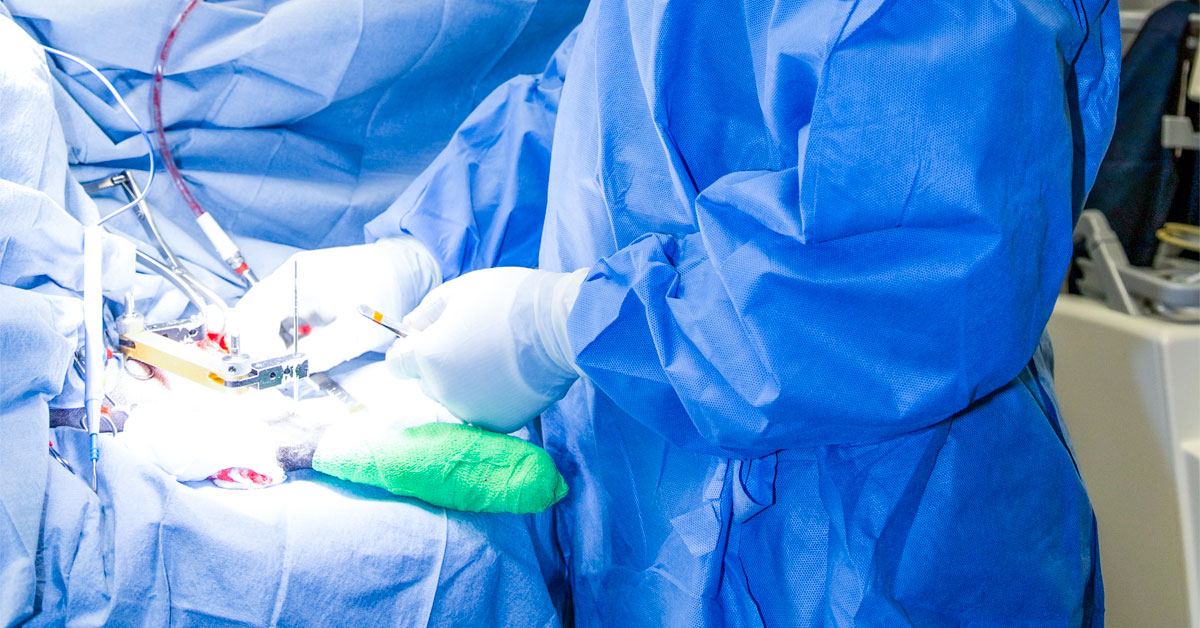
Veterinary orthopedics is a specialized field dedicated to the diagnosis and treatment of musculoskeletal conditions in animals, particularly dogs and cats. It encompasses a wide range of issues affecting bones, joints, ligaments, and tendons. Common conditions treated include cranial cruciate ligament (CCL) tears, patellar luxation, and fractures. Fracture repair is a common surgical procedure performed on pets with broken bones. The field also addresses degenerative joint diseases, congenital abnormalities, and developmental disorders.
The primary goals of orthopedic surgery are to restore function, relieve pain, and improve quality of life for pets. Common orthopedic surgeries aim to restore a pet’s natural range of motion and prevent chronic pain due to ligament tears and fractures.
Success rates for common orthopedic surgeries now exceed 85–95%, and most pets return to near-normal activity levels within 3–6 months when coupled with rehabilitation.
Diagnostic Capabilities
Robust diagnostic capabilities are important for successful orthopedic procedures. Diagnostic procedures offered by Dr. Oshin include:
C-arm intra-operative fluoroscopy
Arthroscopic diagnosis and treatment
In-house radiographs
CT scans
MRI
Ultrasound
Fluoroscopy
Bone and joint evaluation
Common orthopedic conditions routinely managed by Dr. Oshin include:
Patellar luxation
Fractures
Elbow dysplasia
Angular limb deformities
Shoulder tendinopathies
Chronic joint diseases such as osteoarthritis
Common veterinary orthopedic surgery treatment options offered by Dr. Oshin include:
Total hip replacement (THR)
TPO/DPO
Juvenile pubic symphysiodesis
Femoral head and neck ostectomy
Lateral fabella suture
Luxating patella repair
Achilles’ tendon repair
Sacroiliac luxation repair
Ulna ostectomy
Amputations
Arthrodesis
Bone biopsy
Bone graft
Implant removal
Dr. Oshin offers orthopedic consultations to his clients to provide a definitive diagnosis and treatment plan, both surgical and non-surgical, for their pets.